




Why Asphalt Pavers Need Lubrication?
In addition to prolonging the life of Asphalt Pavers, automatic lubrication can keep them from shutting down prematurely. By applying grease to critical points during operation, contaminants are prevented from entering the system, resulting in long-term performance. By preserving your equipment and safeguarding your workforce, you save money and time on repairs. Manual labor is not needed, ensuring safety during operations.
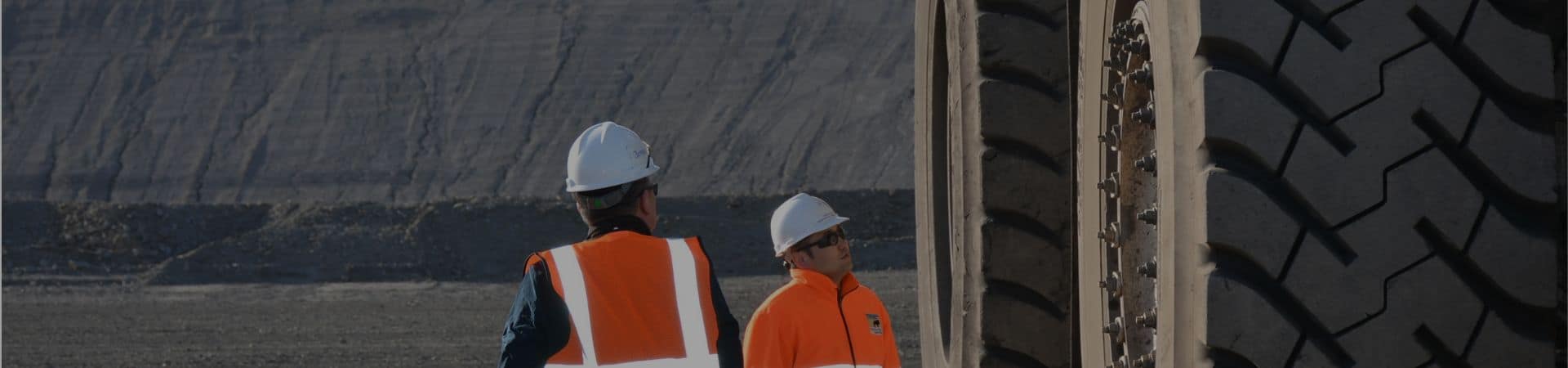
ARE YOU LOOKING FOR AN AUTOMATED LUBE SYSTEM?
- Greasing every point on the wheel loader prevents dust and dirt from entering worn surfaces while it is in operation.
- As hard-to-reach lubrication points can be serviced without crawling under or over equipment, there is increased safety.
- By decreasing wear on vital components, an automatic lubrication system improves equipment life.
- With a payback often within the first year, fleets can gain 30 minutes or more of operating time per day.
- LUBRICATION SYSTEM
- Grease Pump
- Progressive Distributor
- Hose

IsoHiTech could provide the complete kit.IsoHiTech also provide the OEM Service for well-known brand in the world
1. Grease Pump
2. Progressive Distributor
3. Hose and fittings
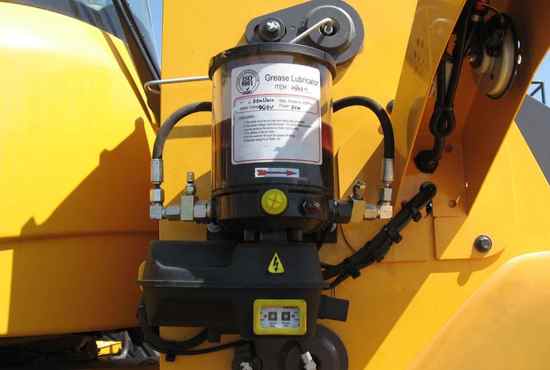
The CSK Lubricator is a multiple-outlet(Maximum up to 3) lubrication unit powered by an electric motor, suitable for use with progressive divider valve systems. This model comes with up to three separate pumping elements and can also be fitted with 24 VDC motors, making it ideal for mobile applications. It has an integral controller or can be managed through our internal timers

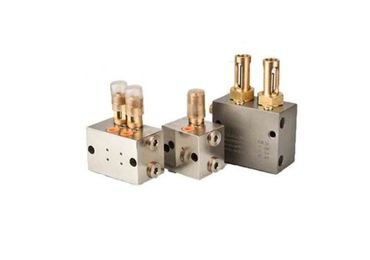
Mono Divider Valves are designed to precisely meter lubricant from 6 up to 20 separate outlets. Each Output is fixed at 0.17cc per cycle, you could increase output when needed by plugging the outlet. Cycle indicator pins offer visible verification of operations and can also be fitted with a switch to signal a system controller.

IsoHiTech provide the hose and couplings
Hose Parameter
O.D.9mm and I.D.4mm
O.D.11mm and I.D.6mm
Grease Nipple Size
Pt 1/8 and Pt 1/4
Related Products


The Essential Guide to Asphalt Paver Lubrication: Maximizing Equipment Performance and Longevity
Asphalt pavers are essential for road construction. They create smooth, strong surfaces that handle heavy traffic and tough weather. These advanced machines work in tough conditions, dealing with high temperatures, rough materials, and ongoing wear. Proper lubrication is key. It helps these valuable assets run smoothly and last longer. This guide looks at lubrication’s vital role in asphalt paver operation. It covers key parts, choosing lubricants, maintenance steps, and best practices. All of this helps keep your paving equipment running efficiently.
Understanding the importance of lubrication for asphalt pavers.
Lubrication is key for asphalt paver maintenance. It offers many benefits that help these machines run smoothly. Lubrication reduces friction between moving parts. This prevents metal-to-metal contact, which can cause fast wear and early failure. Lubricants form a protective layer between surfaces. This helps parts move smoothly against each other. As a result, wear is minimized, and the life of critical parts is extended.
However, the benefits of lubrication go far beyond simple wear reduction. Well-lubricated parts stay cooler, and the lubricant helps carry away heat from friction. Temperature control is key in asphalt paving. Extreme heat can break down lubricants, causing parts to seize or fail. Lubricants help keep out contaminants like dust, dirt, and water. If they get into moving parts, they can cause corrosion and hurt performance.
Effective lubrication also significantly impacts equipment efficiency and paving quality. Lubricated parts use less energy, which cuts fuel use. This also eases the load on the engine and hydraulic systems. Conveyors, augers, and the screed move smoothly and precisely. This keeps the material flowing nicely. This creates a uniform mat texture and leads to a higher quality paving job.
Proper lubrication is key for operations. It cuts downtime by stopping sudden breakdowns. It also helps stretch the time between maintenance. Everything revolves around that paver. If it stops, the plant stops. The rollers, trucks, and mills all stop too. This can cause fines and other issues. Keeping the paver running smoothly helps avoid costly delays. Good lubrication practices are key to staying on schedule.
Identifying Critical Components That Require Lubrication
Asphalt pavers are complex machines with numerous moving parts that require regular lubrication. Knowing which parts are critical and their lubrication needs helps create a good maintenance plan. Most asphalt pavers have key systems that need attention. The exact setup may differ by make and model.
Conveyor System
The conveyor system carries the asphalt mix from the hopper to the augers. This helps spread it evenly across the paving width. This system contains several critical wear points that require frequent lubrication:
- Conveyor foot shafts: These shafts hold up the conveyor belts at the hopper end. They bear the weight of the material flowing onto the belts. They must be regularly greased to prevent seizing and maintain smooth belt travel. Use 15 shots of grease from a standard grease gun in each fitting for lubrication. Do this at the start and middle of each shift.
- Conveyor head shaft: This part is at the discharge end of the conveyors. It moves material onto the augers. It has the same loads and lubrication needs as the foot shafts. We apply 15 shots of grease to each fitting regularly during operation.
- Conveyor chains: These drive chains power the conveyor belts. They endure high tension and wear from tough materials. They require frequent lubrication to prevent stretching and premature wear. Most manufacturers suggest applying a light coat of chain spray lubricant each week. This helps keep the chain at the right tension and working well.
Auger System
The auger system is vital for distributing material on an asphalt paver. It spreads the asphalt mix evenly across the screed, creating a uniform mat. Lubricating the auger bearings is key. It helps ensure smooth operation and stops segregation.
- Center auger bearings: These bearings hold the auger drive box and bear the most weight when in use. Lubricate until fresh grease shows from the seals. This flushes out any bad or old grease. Lubricate at least twice a day, during mid-shift and at the end of the shift when the bearings are warm.
- Side auger bearings: These bearings support the outer ends of the auger shaft. They also help keep the auger aligned. They need the same lubrication as the center bearings. Grease should be added until fresh purge appears. Regular lubrication is crucial for extension augers. These augers are often adjusted for various paving widths.
Track System
The track system propels the asphalt paver and bears the machine’s weight and material load. Lubricating the track parts is key to ensuring smooth travel, accurate steering, and a longer service life.
- Track pins: The pins connecting the track links experience high friction and wear as the track moves around the sprockets and idlers. Lubricating daily with a penetrating lubricant helps stop pin and bushing wear and keeps the track rotating smoothly.
- Track drive chains: These chains transfer power from hydraulic drive motors to track sprockets. They need regular lubrication to keep tension right and prevent wear. Apply a light coat of chain lubricant each week. Focus on the part of the chain that touches the sprockets.
- Track sprockets and idlers: These parts guide and support the track. They bear heavy loads and face constant wear from abrasive materials. They don’t need daily lubrication. However, you should deep clean and repack the bearings periodically. This will help extend their life. Most manufacturers suggest taking off the sprockets and idlers each year. Clean out the old grease and pack the bearings with new lubricant.
Additional Lubrication Points
Asphalt pavers have several parts that need regular lubrication. This, along with the main systems mentioned above, helps them work better and last longer.
- Main transmission and power transfer cases: The gearboxes transfer power from the engine to the hydraulic pumps and drive systems. They need clean, high-quality gear oil. This oil helps prevent wear and keeps everything running smoothly. Check lubricant levels daily. Change it as the manufacturer suggests, usually every 1,000 to 2,000 hours.
- Bearings and pivot points: Asphalt pavers have many bearings and pivot points. These parts help move and adjust components. They include hopper wings, flow gates, and the screed assembly. All of them work smoothly. These points need regular greasing. Do this daily or weekly, depending on the part and how much it faces loads and dirt.
- Screed adjustment mechanisms: The screed is the paver’s key part. It levels and compacts the asphalt mat to the right grade and slope. Regular lubrication is needed for the screed’s crown adjustment, extension, and tilt mechanisms. This keeps operations smooth and helps control mat thickness and texture accurately. Greasing intervals vary by component but typically fall in the daily to weekly range.
Maintenance staff can create a focused lubrication plan by knowing the key parts and their lubrication needs. This plan helps keep the asphalt paver working at its best.
Selecting the Optimal Lubricants for Asphalt Paver Applications
Choosing the right lubricants for an asphalt paver matters. It’s also key to apply them at the right times and places. Extreme conditions like high heat, heavy loads, and constant dust or asphalt demand special lubricants. General-purpose products might not handle these challenges. Using the wrong lubricant can cause quick breakdowns and damage. Mixing different lubricants also leads to problems. This can result in the early failure of components.
When selecting lubricants for an asphalt paver, consider the following key characteristics:
High-Temperature Stability
Asphalt paving is a hot, dirty job, with mix temperatures often exceeding 300°F (150°C). Lubricants need to handle extreme temperatures. They shouldn’t break down, lose viscosity, or leave harmful deposits. Choose lubricants with a high viscosity index (VI). They should keep their protective qualities over a wide range of temperatures. Many manufacturers make high-temp lubricants designed for asphalt-paving equipment.
Load-Carrying Capacity
An asphalt paver’s bearings, bushings, and gears endure heavy loads and shocks during operation. Lubricants must have enough film strength and extreme pressure (EP) additives. This helps avoid metal-to-metal contact and wear in tough conditions. Use greases with NLGI #2 consistency. They should have at least a 60 lb Timken OK load rating. Gear oils need to meet API GL-5 and MT-1 standards for heavy-duty use.
Contaminant Resistance
Asphalt pavers work in very dusty places. Fine aggregates, dirt, and asphalt fumes can harm lubricated parts. Lubricants must resist contamination well. They should have additives that help suspend and remove particles. This prevents harmful sludge from forming. Choose greases with strong adhesive qualities that stay in place and block contaminants. Also, pick gear oils with effective filtration to keep everything clean.
Compatibility
Using the wrong lubricants or mixing brands can cause problems. It can lead to chemical reactions that harm the lubricant, speeding up wear, reducing protection, and damaging components. Always check the paver’s lubrication chart and the manufacturer’s recommendations. Don’t mix lubricants unless the supplier says it’s okay. When changing to a new lubricant, flush and clean the system well. This removes any leftover old product.
By choosing high-quality, application-specific lubricants tailored for asphalt paving, maintenance teams can boost equipment performance, extend component life, and cut ownership costs.
Implementing Effective Lubrication Procedures
Even the best lubricants won’t work if you don’t apply them correctly and regularly. A good lubrication plan is key to keeping an asphalt paver running well. It should include clear tasks, set intervals, and proper record-keeping. This helps ensure the paver stays healthy over time.
Follow manufacturer recommendations.
The foundation of any effective lubrication program is the manufacturer’s service recommendations. These guidelines are usually in the operator’s manual or a lubrication chart. They list the right type of lubricant, where to apply it, and when to service each part. Ignoring these recommendations, even if well-meaning, can void warranties and cause early failures.
Manufacturer recommendations are the bare minimum for keeping a paver in normal conditions. Severe operating conditions, like high-production paving in hot areas, may need shorter intervals. Extra lubrication tasks can help protect components effectively. Always use more lubricant. Don’t extend the intervals beyond the recommended range.
Establish a lubrication schedule.
A good lubrication schedule is like a roadmap. It helps keep a paver maintained and ensures that no tasks are missed. Break down lubrication tasks into daily, weekly, and seasonal intervals, with specific components and procedures assigned to each period.
- Daily lubrication usually involves parts that wear out quickly and are often exposed. This includes auger and conveyor bearings, bushings, and screed pivot points. The goal is to remove any dirty grease and add fresh lubricant. This keeps a steady protective film in place.
- Weekly lubrication targets parts that wear slowly. This includes drive chains for conveyors, pivot points for hoppers, and more protected bearings. The focus is on maintaining proper lubricant levels and preventing contaminant buildup.
- Seasonal or annual lubrication involves deep cleaning and checking key parts. This includes track rollers, sprockets, and gearboxes, which also need repacking. This is a chance to remove old lubricant, check for wear or damage, and relubricate for the new season.
Overcoming Common Lubrication Challenges
Even with a strong lubrication program, asphalt pavers can still face challenges. These issues can harm equipment health and performance. Spotting and fixing these common issues is key. It helps keep lubrication effective and prevents costly failures.
Extreme Temperature Fluctuations
Asphalt pavers work in places with big temperature changes. They start in the cold morning and end in the hot afternoon. These changes can make lubricants thicker, thinner, or separate. This leads to a loss of protection and higher wear rates. To combat this challenge:
- Choose lubricants with high viscosity indexes. They should maintain stable flow properties over a wide temperature range.
- Choose synthetic lubricants that resist thinning and oxidation in high heat. They should also flow easily when it’s cold.
- Store lubricants in temperature-controlled areas. This prevents extreme heat or cold, which can harm performance.
Contamination Ingress
The dusty asphalt paving environment constantly threatens lubricant health. Abrasive particles and moisture try to invade and damage protective films. To keep contaminants at bay:
- Use quality seals and gaskets to block particles and moisture from getting in.
- Apply lubricants frequently and copiously to maintain a consistent purge of contaminated grease.
- Choose lubricants that have tackifiers and adhesive qualities. They should stick well to surfaces while also repelling dirt and water.
- Clean the pavers’ exterior regularly. This helps prevent dirt and debris from getting into the lubricated parts.
Access and Ergonomic Challenges
Lubricating points on an asphalt paver can be tricky and time-consuming. Maintenance staff often have to twist around hot, moving parts, which can be dangerous. To improve access and safety:
- Install remote lubrication lines and fittings. This allows you to service them from a safe and easy location.
- Use extended grease gun nozzles and high-pressure hoses to reach difficult areas.
- Adjust work schedules to allow lubrication during cooler and quieter times, like early morning or late evening.
- Invest in an automatic lubrication system that continuously applies lubricant without manual intervention.
Improper Application Techniques
Using the right lubricants and tools is important. But if you apply them incorrectly, it can cause problems. You could have too little or too much lubrication. This can cause contamination or harm to parts. To ensure consistent, effective lubrication:
- Train all maintenance personnel in proper lubricant application procedures for each component.
- Use calibrated grease guns and follow the manufacturer’s specifications for precise lubricant quantities.
- Always clean grease fittings and the area around them before and after lubrication. This helps prevent contaminants from getting in.
- Check components for over-lubrication. Look for too much grease or heat buildup. Adjust your methods if necessary.
Inefficient Lubrication Tracking and Scheduling
A lack of a clear system for tracking and scheduling lubrication tasks can cause important maintenance to be missed. This can lead to faster wear and unexpected downtime. To optimize lubrication efficiency and effectiveness:
- Use a CMMS to automate lubrication tasks. It helps with scheduling, tracking, and reporting.
- Merge lubrication data with maintenance metrics, including component temperatures, vibration levels, and oil analysis results. This helps to spot trends and issues.
- Adjust lubrication intervals based on real results and conditions, not just the manufacturers’ guidelines.
- Create a lubrication routing plan. It should reduce travel time and service all points clearly and logically.
Addressing these common lubrication issues helps asphalt paving operations better protect their equipment and ensure that machines get the care they need, even in tough conditions.
Reaping the Benefits of Optimized Asphalt Paver Lubrication
A comprehensive lubrication program offers many benefits. It not only extends equipment life but also reduces downtime. These advantages are impressive, but the payoff goes much further. Effective lubrication can deliver a range of positive impacts across the entire paving operation:
Enhanced Paving Quality and Consistency
Well-lubricated pavers work best. They provide smooth control over material flow, screed settings, and mat thickness. This means better paving quality with fewer defects and a more consistent and durable finished product. When crews avoid lubrication issues, they skip the stops and starts. This helps them keep paving speeds and production rates at their best.
Reduced Operating Costs
A well-lubricated asphalt paver works efficiently. It needs less fuel, less maintenance, and has less unplanned downtime. Good lubrication cuts down on the need for replacement parts and major repairs. It helps components last longer and reduces wear. Avoiding paving defects and inconsistencies reduces the need for expensive repairs later.
Improved safety and environmental performance
Lubrication failures often lead to accidents and injuries in asphalt paving. They can cause slips and falls during manual greasing and serious component failures, putting crews in danger. Effective lubrication keeps the paver running smoothly. This reduces hands-on maintenance and helps create a safer working environment.
Proper lubrication helps the environment. It saves energy, reduces lubricant waste, and helps equipment and surfaces last longer. Using biodegradable, non-toxic lubricants helps paving operations cut their environmental impact. Also, proper storage and disposal practices make a big difference.
Enhanced Reputation and Competitiveness
In the competitive world of asphalt paving, reputation is everything. Contractors with top-notch, efficient, and dependable paving services have a big edge. They are more likely to win bids and build lasting customer relationships. Paving operations can lead the industry by improving lubrication and enhancing equipment performance. This approach helps them grow and succeed.
A lubrication excellence program benefits more than just the paving operation. It helps everyone who relies on strong, well-kept roads and infrastructure. When asphalt pavers are well lubricated and running smoothly, everyone benefits, including the driving public, transportation agencies, and construction workers.
Conclusion
Maximizing asphalt paver performance and longevity through proper lubrication is an ongoing process. It requires continuous improvement and adaptation, not just a one-time effort. As equipment, materials, and operating conditions change, lubrication strategies must also adapt. This ensures that pavers run smoothly and efficiently.
Paving operations can improve their equipment by keeping up with the newest lubricant technologies and how to apply them. This helps ensure peak performance and reduces downtime. This requires a commitment to ongoing training and data-driven choices. It needs a culture of great preventive maintenance that begins at the top.
But the rewards of this commitment are well worth the effort. A good lubrication program helps asphalt pavers get consistent, high-quality results every year and on every job. That’s a solid base for any paving operation to achieve lasting success.
Before you buy: read our central lubrication system guide.
Frequently Asked Questions
Proper lubrication reduces wear, prevents premature component failure, extends service intervals, minimizes downtime, and improves overall paving quality and consistency.
The key components include the conveyor system (foot shafts, head shaft, chains), auger system (center and side bearings), track system (pins, drive chains, sprockets, idlers), and other parts like the main transmission, power transfer cases, bearings, pivot points, and screed adjustment mechanisms.
Lubrication frequency depends on the specific component and the manufacturer’s recommendations. Generally, high-wear parts like auger and conveyor bearings require daily lubrication, while other components may need weekly or seasonal attention.
Use high-quality, high-temperature, extreme-pressure (EP) lubricants specifically designed for asphalt paver applications. Consult your paver’s lubrication chart and manufacturer recommendations for specific products.
No, mixing different lubricants can cause compatibility issues, leading to decreased performance and potential damage. Always use the same type and brand of lubricant unless otherwise specified by the manufacturer.
Signs of improper lubrication include increased noise, vibration, heat buildup, visible wear or damage, and decreased performance or paving quality. Regular inspection and monitoring can help identify lubrication issues early.
Common challenges include extreme temperature fluctuations, contamination from dust and debris, access and ergonomic issues, improper application techniques, and inefficient lubrication tracking and scheduling.
Implement a comprehensive lubrication plan, use high-quality lubricants and application equipment, train personnel on proper techniques, and utilize technology like automatic lubrication systems and computerized maintenance management software to optimize scheduling and tracking.
Benefits include enhanced paving quality and consistency, reduced operating costs, improved safety and environmental performance, and a stronger reputation and competitive position in the market.
Regularly review your lubrication program based on real-world performance data, equipment inspections, and industry best practices. Update your program as needed to ensure continuous improvement and optimization of your asphalt paver’s performance and longevity.