



Barrel Grease Pump
| Partner Number | QZ-20 |
| Reservoir | 20kg/50kg/200kg |
| Dsicharge | 0.85L/min |
| Pressure ratio | 50:1 |
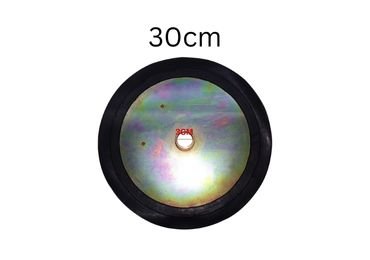
| Follower | Yes |


Barrel Grease Pumps: The Ultimate Guide to Efficient Lubrication Systems
1. Introduction
In manufacturing and heavy machinery, downtime can be costly. Imagine a factory floor. Machines are halted due to poor lubrication. This causes delays and raises costs. This scenario highlights the vital role of barrel grease pumps. They transfer high-viscosity grease from barrels to machinery, ensuring smooth operations.
Barrel grease pumps are essential tools in maintaining equipment performance. They facilitate the transfer of lubricants, preventing equipment failure and minimizing waste. Businesses must know these systems’ efficiencies. It is vital to optimize operations and cut costs due to poor lubrication practices.
2. How Barrel Grease Pumps Work
Core Components:
- Pump Head: Utilizes either a piston or rotary mechanism for grease transfer. Piston pumps can handle high pressures. Rotary pumps have a steady flow and are good for continuous use.
- Pressure Relief Valve: Ensures safe operation by preventing over-pressurization. This component protects the pump and equipment from damage due to high pressure.
- Hose/Nozzle Assembly: Delivers grease precisely where needed. High-quality hoses are reinforced to resist high pressures and kinking. Different nozzles cater to various lubrication points.
- Barrel Mounting System: Secures the pump to standard grease barrels for stability. Follower plates prevent air pockets in the grease. They ensure consistent priming. Operation Workflow:
- Mounting: Use the provided system to secure the pump to a standard grease barrel. Ensure a tight seal to prevent leaks and maintain consistent suction.
- Pressurizing: Activate the system using manual, pneumatic, or electric power. Manual pumps need physical effort. But pneumatic and electric pumps provide steady pressure and better flow control.
- Dispensing: Control the flow of grease through the nozzle for accurate application. Adjustable flow rates and precision metering allow for optimized lubrication and minimal waste.
Key Metrics:
- Typical pressure ratios are 10:1 to 55:1. They accommodate various grease viscosities. Higher ratios are suitable for heavy-duty applications or high-viscosity greases.
- Flow rates can vary significantly, with some pumps delivering up to 540 grams per minute. Faster flow rates enable quicker lubrication of multiple points, reducing maintenance time. Performance Factors:
- Compatibility: The pump must work with your equipment’s required grease type and viscosity. Incompatible greases can lead to clogs, leaks, or pump damage.
- Pumps must maintain steady pressure and flow rates while dispensing. Fluctuations can result in over- or under-lubrication, affecting equipment performance.
- Efficiency: High-efficiency pumps minimize energy consumption and reduce grease waste. Features like adjustable flow rates and automatic shut-off contribute to overall efficiency.
- Durability: Choose pumps made of high-quality materials and strong designs. They must withstand harsh industrial environments. Durable components extend the pump’s lifespan and reduce maintenance costs.
3. Types of Barrel Grease Pumps
- Manual Pumps:
- Pros: Cost-effective, portable, no power source required. It is ideal for low-volume use or remote sites without power or air.
- Cons: Labor-intensive and slower for large operations. Keeping pressure and flow steady can be tough. This may cause too much or too little lubrication.
- Pneumatic Pumps:
- Pros: High efficiency suitable for continuous use. Offers consistent pressure and flow control, reducing the risk of over- or under-lubrication. Ideal for high-volume applications and centralized lubrication systems.
- Cons: They need a reliable compressed air source. This may raise installation and operating costs. The noisy operation may be a concern in some work environments.
- Electric Pumps:
- Pros: You can program the settings. So you can control pressure, flow rates, and dispensing intervals. Suitable for automated lubrication systems and integration with machinery controls.
- Cons: Higher initial costs compared to manual or pneumatic pumps. Requires access to electrical power and may have more complex maintenance requirements.
- Specialized Pumps: Designed for extreme conditions or specific applications.
- Heat-Resistant Models: Suitable for high-temperature environments like steel mills or foundries. They feature heat-resistant seals, hoses, and components to maintain performance in extreme conditions.
- High-Pressure Models: For high grease-pressure applications, like heavy-duty mining or construction equipment. Offer pressure ratios up to 100:1 or more.
- Miniature Models: Compact designs for tight spaces or small-scale applications. Ideal for precision lubrication of small bearings, gears, or other components.
4. Applications Across Industries
Barrel grease pumps find utility in various sectors:
- Automotive: Essential for lubricating assembly line robotics and heavy-duty vehicles. Proper lubrication reduces wear on critical parts. It extends equipment life and cuts unplanned downtime. Grease pumps ensure consistent application of high-quality lubricants to maintain optimal performance.
- Agriculture: Used in tractors, harvesters, and other farming machinery to maintain operational efficiency. Regular greasing with barrel pumps keeps bearings and joints working well, even in harsh conditions. Precise lubrication helps prevent premature wear and reduces maintenance costs.
- Manufacturing: It’s critical for CNC machines, lathes, milling machines, and conveyor belts. Applying grease correctly helps your equipment work better. It cuts down on heat from friction and stops parts from failing too soon. Automated lubrication systems with barrel pumps boost maintenance and OEE.
- Marine & Mining: In harsh, humid, salty, or dusty environments, corrosion-resistant models are vital. Reliable lubrication protects against rust, seizures, and excessive wear in challenging operating conditions. High-pressure pumps deliver grease to hard-to-reach or heavily loaded components, ensuring adequate protection.
A case study showed that a mining company cut equipment downtime by 30% after using pneumatic barrel grease pumps. This improved efficiency. The company automated lubrication tasks. This reduced manual work and improved equipment reliability. It ensured a consistent grease application. The pumps’ high pressure and durability withstood the harsh mining conditions. This saved costs and boosted productivity.
5. Benefits of Modern Barrel Grease Pumps
- Cost Savings:
- Reduce grease waste by up to 50% over manual methods. This is due to precise metering and controlled dispensing. Minimizing over-lubrication leads to lower grease consumption and disposal costs.
- Reduce labor costs by needing fewer operators. Free up maintenance staff for other critical tasks. Automated lubrication systems with barrel pumps reduce manual intervention and improve workforce utilization.
- Safety Enhancements:
- Reduce worker exposure to hazardous materials. Eliminate manual handling of heavy grease barrels. Also, reduce skin contact with lubricants. Enclosed systems and remote operation minimize the risk of spills and leaks.
- Reduce injury risks from manual lubrication. It can lead to slips, falls, and musculoskeletal issues. This happens from awkward postures or repeated movements. Ergonomic pump designs and automated systems prioritize worker well-being.
- Environmental Impact:
- Precise dispensing reduces grease use and environmental contamination. It prevents over-lubrication. Proper lubrication practices help maintain clean and safe working conditions.
- Support sustainability. Optimize resource use, reduce waste, and promote cleaner, more efficient industrial practices. Eco-friendly grease formulations and biodegradable options further reduce environmental impact.
6. How to Choose the Right Pump
- Assess Your Needs:
- Find the required grease. Check the equipment manual, operating conditions, and compatibility with existing lubricants. Consider factors such as viscosity, base oil type, and additives.
- Check the frequency of use, grease needed per use, and the number of lubrication points to service. These factors influence pump size, flow rate requirements, and reservoir capacity.
- Consider workspace limits on pump size, mobility, and power (e.g., outlets, air lines). Ensure the pump can be easily integrated into your maintenance workflow.
- Compare Features:
- Check the pump’s pressure and hose length. They must handle the grease viscosity and reach all lubrication points. Higher pressure ratios may be necessary for heavy-duty applications or long distances.
- Check for maintenance features. Look for accessible wear parts, easy disassembly for cleaning, and clear troubleshooting guides. User-friendly designs minimize downtime and facilitate quick repairs.
- Consider adding features like adjustable flow rates and precise metering. Also, include low-level alerts and follower plates. These can help ensure complete barrel emptying. These enhancements improve control, efficiency, and operator convenience.
- Budget Considerations:
- Compare the pump and accessory costs to the savings from less labor, less grease use, and better equipment reliability over time. Higher-quality pumps may cost more upfront. But, they often provide better long-term value.
- Consider the cost of consumables (e.g., hoses, couplers) and maintenance over the pump’s lifespan. Consider the availability and pricing of spare parts and service support.
- Evaluate the ROI based on the pump’s expected life, usage, and efficiency gains. Calculate the potential savings to justify the investment. Focus on grease, labor, and equipment.
7. Maintenance Best Practices
Regular maintenance ensures the optimal performance and longevity of barrel grease pumps.
- Daily/Weekly Tasks:
- Clean grease gun nozzles and couplers to prevent clogs and ensure proper grease flow. Use a wire brush or designated cleaning tools to remove any buildup or debris.
- Inspect hoses for kinks, cracks, or signs of wear, replacing them as needed to avoid leaks and ruptures. Proper hose storage and handling practices extend their lifespan.
- Check pneumatic air supply lines for leaks. Ensure proper pressure and filtration. Clean or replace air filters regularly to maintain optimal performance.
- Monthly/Yearly Tasks:
- Clean the pump well. Remove any grease or debris. It may hurt performance. Disassemble the pump according to the manufacturer’s guidelines and clean the individual components.
- Change worn seals, O-rings, or other key parts according to the manufacturer’s maintenance schedule. Regular seal replacements prevent leaks and maintain pump efficiency.
- Lubricate moving parts, like the pump head or follower plate. This will ensure smooth operation and reduce wear. Use the recommended lubricant type and quantity specified by the manufacturer.
- Troubleshooting Tips:
- Check for air leaks, clogged filters, or low air supply in pneumatic systems. They can cause low or inconsistent output pressure. Inspect the pressure relief valve for proper functioning and adjust the settings if necessary.
- Fix grease leaks right away. Tighten fittings, replace damaged seals, or adjust the pressure relief valve. Identify the root cause of the leak to prevent recurrence.
- If the pump fails to prime or dispense grease, check for empty barrels, hardened grease in the inlet, or a damaged follower plate. Ensure proper barrel venting and consider using a barrel heater for high-viscosity greases.
Regular maintenance and quick repairs will keep barrel grease pumps at peak performance. This will reduce downtime and maximize lubrication. Keeping up with maintenance helps the pump last longer. It also boosts the reliability and productivity of the lubricated equipment.
8. Future Trends (2024 and beyond)
Barrel grease pumps are evolving. New innovations aim to boost efficiency, connectivity, and sustainability.
- Smart Pumps: Advanced sensors, IoT, and data analytics make barrel grease pumps smart. These smart pumps can monitor grease levels and track usage. They provide real-time alerts for maintenance needs. Predictive maintenance algorithms look at data. They help set the best lubrication times. They also spot problems early so that downtime can be avoided. Cloud-based platforms allow remote monitoring and control. They enable centralized management of multiple pumps in different locations.
- Eco-Friendly Designs: Manufacturers are developing pumps that prioritize environmental sustainability. This includes using recyclable materials in pump construction, like aluminum and plastics. It aims to reduce waste and the carbon footprint. Innovative designs aim to reduce grease spillage and leakage. They ensure that every drop of lubricant is used effectively. Biodegradable and plant-based greases are growing in popularity. Pump makers are redesigning their pumps for eco-friendly greases. They must maintain performance.
- Automation Integration: Integrating barrel grease pumps with robots is changing maintenance. Automated lubrication systems are part of this revolution. Advanced sensors and machine vision tech enable precise grease application. This works even in hard-to-reach areas. Cobots with grease pumps can work alongside humans. They handle repetitive lubrication tasks and reduce errors. Automated lubrication systems with multiple barrel pumps can be programmed to deliver grease at set intervals. This ensures consistent, optimal lubrication across various equipment.
Industries will want advanced barrel grease pumps. They seek efficiency, safety, and sustainability. Businesses that invest in modern lubrication tech will benefit. They will maximize equipment uptime, reduce costs, and boost productivity. The future of barrel grease pumps is in smart, eco-friendly, and automated designs. They will help businesses reach new levels of lubrication excellence.
9. Conclusion
Efficient lubrication is paramount in enhancing industrial productivity and reducing operational costs. Knowing the value of barrel grease pumps helps businesses use lubrication systems better. This article provides a guide. It aims to help readers optimize their lubrication processes.
This guide has covered the key aspects of barrel grease pumps. It discussed their core components, workflow, and the available pump types. Barrel grease pumps are vital in many industries. They’re used in automotive, agriculture, manufacturing, and marine and mining. Their applications show their versatility. Modern pumps offer cost savings, improve safety, and reduce environmental impact. These benefits show the value they add to businesses.
To select the right pump, readers should assess their needs, compare features, and consider their budget. This guide’s best practices are for maintaining barrel grease pumps. They will keep the pumps in top condition, reduce downtime, and boost efficiency.
The future of barrel grease pump technology is exciting. Smart features, eco-friendly designs, and automation will boost efficiency and sustainability. By adapting to these advancements, businesses can boost their performance and competitiveness.
Are you ready to revolutionize your lubrication process? Act now. Explore our top-rated barrel grease pumps. Or, contact our experts for custom solutions. With the right tools and support, you can improve your maintenance operations. This will reduce costs and lead to long-term success in your industry.
55 Gallon Drum Grease Pump Options
The 55 gallon drum grease pump is the standard bulk-dispensing choice for high-volume maintenance operations. Built around a 400 lb (208 L) open-head steel drum, these pneumatic systems deliver NLGI #0–#2 grease at pressures up to 7,500 PSI, enough for long hose runs and high-back-pressure Zerk fittings.
Typical system components:
- Pump head – 50:1 or 58:1 air-operated ratio, bung- or lid-mounted
- Follower plate – seals against the grease surface to prevent air pockets and ensure complete drum evacuation
- Drum cover & suction tube – sized for standard 55 gallon drums with 572 mm internal diameter
- High-pressure hose & control gun – rated above the pump maximum outlet pressure
- Air filter/regulator – removes moisture and controls inlet pressure
For a complete technical guide covering pressure-ratio selection, installation, and safety, see our 55 gallon drum air grease pump system design guide. To browse available models, visit the grease drum pump category or the 55 gallon drum grease pump product page.
Before you buy: read our complete guide to grease pumps.
Frequently Asked Questions
A barrel grease pump is a device designed to transfer high-viscosity grease from a barrel to machinery, ensuring efficient lubrication.
Consider factors such as the type of grease, viscosity, required flow rate, pressure rating, and the specific application or machinery you will be using it with.
No, it’s essential to select a grease pump that meets the specific lubrication requirements and specifications of your machinery.
The main types include manual pumps, pneumatic pumps, electric pumps, and specialized pumps for high-temperature or hazardous environments.
Regular maintenance includes cleaning nozzles, checking for leaks, inspecting hoses, and following the manufacturer’s maintenance guidelines.
Check for potential issues such as air leaks, blockages in the hose or nozzle, insufficient air pressure (for pneumatic pumps), or if the grease has become too thick.
Ensure proper installation and operation of the pump. Using pumps with built-in return features can also help minimize waste.
Always disconnect air supply before maintenance, ensure that there are no live air pockets in the system, and follow all manufacturer safety guidelines.
Barrel grease pumps can be purchased from specialized industrial suppliers, online marketplaces, or directly from manufacturers.
They are widely used in automotive, agricultural, manufacturing, marine, and mining industries for lubricating heavy machinery and equipment.