



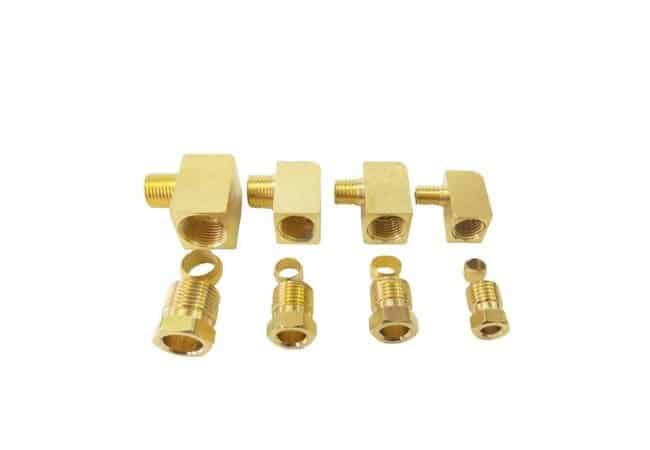


Compression Fittings
If you don’t see what you’re looking for, you can call us or email us
- Material: Brass, Stainless Steel, Carbon Steel
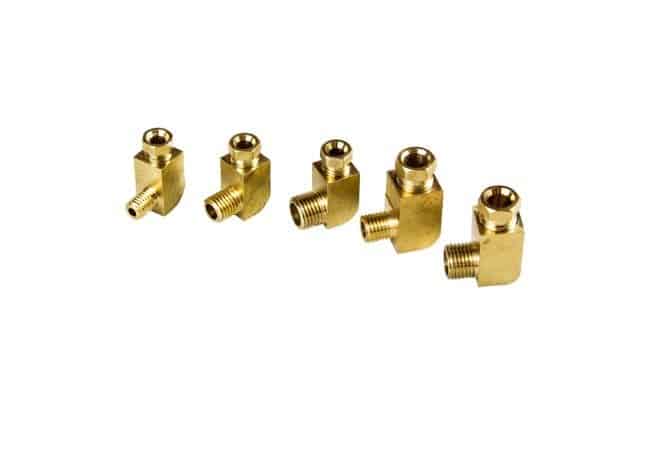
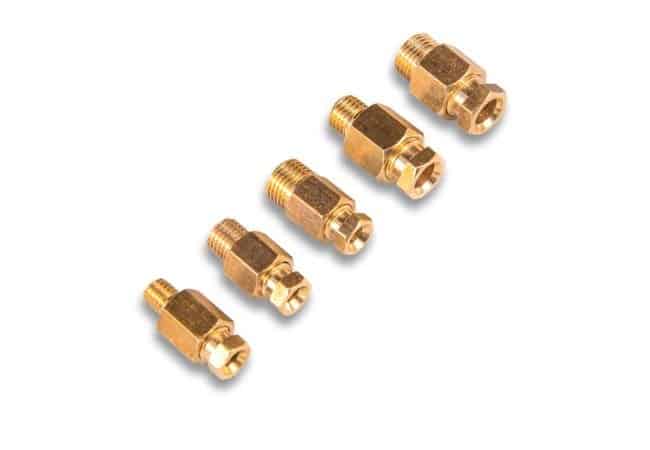
- Straight, Elbow, Swing different mode
- Thread:m6,m8,m10,m12,pt 1/8,pt1/4
- Tube:4mm,6mm,8mm,10mm
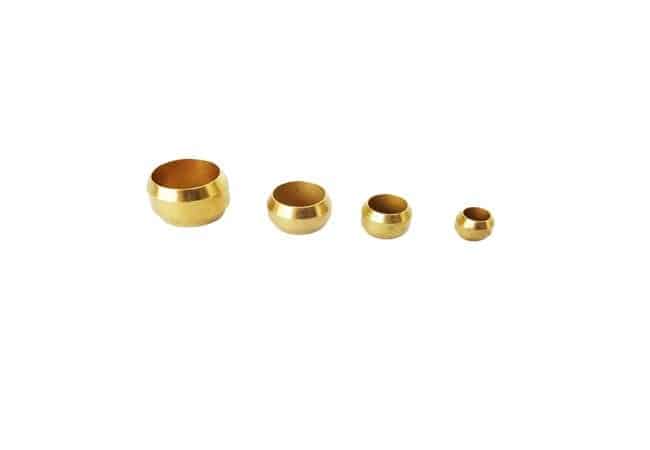
For ferrules and sleeves, see compression bushing & tube sleeves; for quick-connect alternatives, see lubrication couplings and pipe and hose. Hub pages: single-line PDI · grease pump.
Compression Fittings: Professional Grade Solutions for Industrial Applications
Table of Contents
- Product Overview
- Product Selection Guide
- Material Specifications & Performance
- Specialized Applications
- Manufacturing Excellence
- Installation & Technical Support
- Common Applications by Industry
- Troubleshooting & Maintenance
- Product Advantages
- Custom Solutions & OEM Services
- Technical Resources
Product Overview
IsoHiTech manufactures high-quality compression fittings in brass, stainless steel, and carbon steel configurations. Our compression fittings provide leak-free connections for plumbing, HVAC, automotive, and industrial systems without requiring soldering or welding. Available in straight, elbow, and swing configurations with multiple thread and tube size options.
Available Specifications:
- Materials: Brass, 316 Stainless Steel, Carbon Steel
- Configurations: Straight, Elbow, Swing fittings
- Thread Sizes: M6, M8, M10, M12, PT 1/8, PT 1/4
- Tube Compatibility: 4mm, 6mm, 8mm, 10mm
Product Selection Guide
How do plastic compression fittings work?
Plastic compression fittings use compressed ferrules to seal against tubing, ideal for low-pressure water systems (up to 200 PSI). While we specialize in metal fittings, our brass alternatives offer superior durability and reusability for residential and commercial applications.
What pressure ratings do high compression fittings handle?
Our high compression fittings are engineered for demanding applications:
- Brass Compression Fittings: Up to 1,200 PSI working pressure
- 316 Stainless Steel Fittings: Up to 6,000 PSI for high-pressure systems
- Carbon Steel Fittings: Up to 3,000 PSI with appropriate surface treatments
Are our compression fittings reusable?
Yes, our double-ferrule design compression fittings can be safely reused 5+ times while maintaining leak-free performance. Single-ferrule options are optimized for permanent installations where disassembly isn’t required. For plastic tubing applications requiring support, our tube insert solutions ensure reliable reusability.
Material Specifications & Performance Data
| Material | Working Pressure | Temperature Range | Corrosion Resistance | Applications |
|---|---|---|---|---|
| Brass | Up to 1,200 PSI | -40°F to 400°F | Excellent for water systems | Plumbing, HVAC, general industrial |
| 316 Stainless Steel | Up to 6,000 PSI | -425°F to 1,200°F | Superior chemical resistance | Marine, chemical processing, food grade |
| Carbon Steel | Up to 3,000 PSI | -20°F to 800°F | Good with proper coating | Heavy industrial, oil & gas |
Specialized Applications
Grease Line Compression Fittings
Our grease compression fittings feature enlarged internal passages designed for lubrication systems operating at 1,000-3,000 PSI. Stainless steel construction ensures compatibility with automotive grease guns, industrial lubrication systems, and machinery maintenance equipment.
Automotive Compression Fittings
Automotive compression fittings from IsoHiTech meet SAE standards for:
- Fuel line connections with vibration resistance
- Brake system applications requiring leak-free performance
- AC compression fittings for refrigerant lines
- Power steering and hydraulic systems
Oil Line Compression Fittings
Our oil line compression fittings are engineered for hydraulic systems and engine oil lines, featuring:
- High-pressure capability up to 5,000 PSI
- Temperature resistance for hot oil applications
- Corrosion-resistant materials for long service life
Manufacturing Excellence
Quality Assurance
- CNC Machined Precision: Tight tolerances ensure proper sealing and assembly
- Material Traceability: Full certification for all raw materials
- Pressure Testing: Each batch tested to 150% of working pressure
- Surface Treatments: Chrome plating, passivation, and specialized coatings available
Industry Certifications
- WRAS Approved: Suitable for potable water systems
- ISO 9001: Quality management system compliance
- ANSI/ASME Standards: Dimensional and pressure rating compliance
- RoHS Compliant: Environmental safety standards
Installation & Technical Support
Professional Installation Guidelines
Our compression fittings are designed for easy installation:
- Tube Preparation: Cut tubing square, deburr edges to prevent ferrule damage
- Assembly Sequence: Slide nut and ferrule onto tube, insert into fitting body
- Tightening Specification: Hand-tight plus 1-1.25 turns with wrench
- Torque Values: 15-20 ft-lbs for 1/2″ brass, 25-30 ft-lbs for 3/8″ stainless steel
Technical Support Services
- Application engineering consultation
- Custom configuration development
- Installation training and support
- Failure analysis and troubleshooting
- Complete lubrication system design and installation support
Common Applications by Industry
Plumbing Systems: Water supply connections, fixture installations, repair applications
HVAC Systems: Refrigerant lines, condensate drains, hydronic heating connections
Industrial Processing: Pneumatic systems, hydraulic equipment, process piping with our comprehensive lubrication fittings range
Automotive: Fuel systems, brake lines, transmission cooling, AC refrigerant
Oil & Gas: Instrument connections, sampling lines, process equipment
Troubleshooting & Maintenance
Why compression fittings leak:
- Over-tightening: Can damage ferrule sealing surface
- Under-tightening: Insufficient compression for proper seal
- Tube preparation issues: Burrs or improper cuts affect sealing
- Vibration loosening: Requires periodic inspection in high-vibration applications
Preventive Maintenance
- Regular inspection of high-vibration connections
- Retorquing to specification during scheduled maintenance
- Ferrule replacement when disassembling reusable fittings
Product Advantages
Why Choose IsoHiTech Compression Fittings:
- No Special Tools Required: Standard wrenches for installation and maintenance
- Reusable Design: Reduces long-term material costs
- Wide Compatibility: Works with copper, stainless steel, and plastic tubing
- Vibration Resistant: Dual-ferrule design maintains seal integrity
- Cost Effective: Lower installation labor compared to welded connections
Limitations to Consider:
- Thermal Expansion: Limited to 0.1″ axial movement – use expansion loops for larger movements
- Pressure Limits: Not suitable for applications exceeding material specifications
- Chemical Compatibility: Material selection critical for chemical processing applications
Custom Solutions & OEM Services
IsoHiTech offers custom compression fitting manufacturer services including:
- Custom Alloys: Specialized materials for unique applications
- Modified Configurations: Custom angles, multiple outlets, integrated features
- Private Labeling: OEM branding and packaging services
- Volume Pricing: Competitive rates for large quantity requirements
- Complete System Solutions: From automatic lubrication systems to specialized grease nipples
Technical Resources
Sizing & Selection Tools:
- Pressure rating calculators
- Material compatibility charts
- Temperature derating factors
- Thread conversion tables
Documentation Available:
- Installation instruction sheets
- Material certificates and test reports
- CAD drawings and 3D models
- Pressure-temperature rating curves
Contact our technical team for application-specific recommendations and custom solutions. Our compression fittings are designed to meet the demanding requirements of modern industrial systems while providing reliable, leak-free performance.
Before you buy: read our grease fitting types guide.
Compression fittings are mechanical devices used to join two pieces of tubing or pipe together. They consist of a compression nut, a ferrule (compression ring), and a fitting body. When the nut is tightened, it compresses the ferrule against the pipe, creating a secure, leak-proof seal.
The process involves sliding the compression nut and ferrule onto the pipe, inserting the pipe into the fitting body, and then tightening the nut. This action compresses the ferrule around the pipe, ensuring a tight seal that prevents leaks.
Yes, compression fittings can be used for gas lines, but it is essential to ensure that the materials are compatible with the type of gas being transported and that they meet relevant safety standards.
Compression fittings are commonly made from materials such as brass, stainless steel, plastic, and bronze. The choice of material depends on factors like pressure requirements, temperature conditions, and environmental exposure.
To install a compression fitting:
- Cut the pipe cleanly and deburr the edges.
- Slide the nut and ferrule onto the pipe.
- Insert the pipe into the fitting body.
- Tighten the nut by hand first, then use a wrench to secure it without overtightening.
If you encounter a leak, turn off the water supply and loosen the nut slightly before retightening it. If leaks persist, disassemble the fitting to check for damaged components like the ferrule or tubing end, replace any damaged parts, and reassemble carefully.
Compression fittings can typically be reused one to two times if they have not been damaged during disassembly. However, it is advisable to replace ferrules after each use for optimal sealing performance.
Compression fittings are widely used in plumbing systems (for water supply lines), HVAC systems (for refrigerant lines), automotive applications (for fuel lines), and industrial settings (for hydraulic systems).
While versatile, compression fittings may not be ideal for high-vibration environments or extreme pressure applications. Additionally, they require proper alignment during installation to ensure effective sealing.
Yes, compression fittings can be used with soft copper tubing; however, hard copper tubing is generally preferred as it provides better structural integrity for sealing.