


 A lubrication system is an engineered network that delivers precise quantities of lubricant to specific machine locations at controlled intervals. Correct system selection directly affects bearing life, energy consumption, and maintenance cost. Industry estimates and manufacturer-reported field data suggest that properly implemented automatic lubrication systems can reduce bearing failures by 50-80% and extend equipment life by 25-40% in many applications, while inadequate lubrication is widely cited as a leading cause of premature bearing failure.
This guide compares the main lubrication system types used in industrial applications, provides engineering selection criteria, and presents performance data from published case studies and industry standards. Brand note: IsoHiTech is an independent manufacturer of lubrication components. References to Lincoln, SKF, Graco, Bijur Delimon, Alemite, and other brands are for compatibility and identification purposes only; IsoHiTech is not an independent supplier or OEM for these manufacturers. Specific performance figures are manufacturer-reported or illustrative ranges from industry literature and should be validated for each application. Quick navigation: See the Lubrication System hub for a deeper explanation of working principles.
Contents
- Lubrication System Fundamentals
- System Types and Technical Analysis
- Key Components and Equipment
- Industrial Applications
- Selection Criteria and Engineering Guidelines
- Comparative Performance Analysis
- Real-World Implementation Cases
- Systematic Selection Process
- Maintenance Engineering Best Practices
- Technical FAQ
- People Also Ask
Lubrication System Fundamentals
A lubrication system is an engineered solution designed to deliver precise quantities of lubricant to specific locations within machinery at predetermined intervals. Modern industrial lubrication systems range from simple manual applications to sophisticated automatic lubrication systems capable of servicing hundreds of points simultaneously. Effective lubrication systems must accomplish seven critical functions: Primary Functions:- Friction Reduction – Minimizing energy loss and heat generation
- Heat Dissipation – Managing thermal loads through lubricant circulation
- Wear Prevention – Maintaining protective boundary layers
- Corrosion Protection – Excluding moisture and corrosive agents
- Contamination Sealing – Preventing ingress of abrasive particles
- Cleaning Action – Removing wear debris and contaminants
- Vibration Damping – Reducing noise and mechanical stress
System Types and Technical Analysis
Based on field data and manufacturer specifications, industrial lubrication systems can be categorized into six principal types, each with specific operational characteristics and optimal applications.Manual Lubrication Systems
Manual systems rely on operator intervention using grease guns, oil cans, and hand-operated pumps. While often perceived as outdated, manual lubrication remains viable for specific applications. Technical Specifications:- Application range: 1-10 lubrication points
- Precision: Operator-dependent (±20-50% typical)
- Cost range: $50-500
- Labor requirement: High (0.5-2 hours per cycle)
- Equipment with infrequent lubrication requirements
- Remote installations without electrical power
- Backup systems for critical applications
- Small-scale machinery with accessible lubrication points
Automatic Lubrication Systems
Automatic lubrication systems eliminate human variability by delivering lubricant at predetermined intervals with consistent accuracy. These industrial lubrication systems are essential for modern manufacturing and heavy industry applications. The main automatic system architectures are described below.Single-Line Resistance (SLR) Systems
 SLR systems utilize pressure differential across calibrated restrictors to meter lubricant delivery through a single distribution line. Technical Specifications:
- Pressure range: 10-50 bar
- Maximum points: 20
- Accuracy: ±5%
- Cost range: $500-2,000
- Flow rate accuracy: ±5%
- Operating temperature: -20°C to +80°C
- Lubricant viscosity range: 32-1500 cSt
- Mean time between failures: >5,000 hours
- Light to medium machinery with moderate precision requirements
- Packaging and food processing equipment
- Textile machinery
- Applications requiring simple, cost-effective automation
- Sequential operation only
- Single point of failure affects entire system
- Limited to low-pressure applications
- Not suitable for high-speed or critical machinery
Positive Displacement Injector (PDI) Systems
 PDI systems employ individual metering devices at each lubrication point, providing independent control and monitoring capabilities. Technical Specifications:
- Pressure range: 50-200 bar
- Maximum points: 500
- Accuracy: ±2%
- Cost range: $2,000-15,000
- Discharge accuracy: ±2%
- Cycle monitoring: Electronic feedback confirmation
- Service life: 10+ years with proper maintenance
- Contamination resistance: IP65 rated injectors
- Lubrication consistency: 98% vs. 60% manual systems
- Maintenance labor reduction: 75% average
- Equipment reliability improvement: 40-60%
- Medium-sized installations requiring precise control
- Equipment with varying lubrication requirements
- Systems requiring individual point monitoring
- Applications where lubrication point access is difficult
Progressive Lubrication Systems (PRG)
 Progressive systems distribute lubricant sequentially through interconnected metering blocks, ensuring complete cycle completion before initiating the next cycle. For comprehensive technical details, refer to the progressive lubrication systems guide. Technical Specifications:
- Pressure range: 30-300 bar
- Maximum points: 100+
- Accuracy: ±10%
- Cost range: $3,000-20,000
- Operating temperature range: -40°C to +120°C
- Grease consistency: NLGI 000 to 2
- System reliability: 99.5% uptime in proper conditions
- Visual indication accuracy: 100% cycle confirmation
- Harsh environment survival rate: 95% vs. 70% for other systems
- Maintenance interval extension: 3-5 times longer
- Component life improvement: 200-300% in mining applications
- Heavy-duty machinery in harsh environments
- Mining and construction equipment
- Steel and cement plants
- Applications requiring grease lubrication
- Positive displacement ensures complete distribution
- Visual indicators provide immediate cycle confirmation
- Excellent performance in contaminated environments
- Cost-effective for grease applications
Dual-Line Lubrication Systems
Dual-line systems operate two main distribution lines alternately, providing exceptional reliability and system flexibility for large installations. Technical Specifications:- Pressure range: 50-400 bar
- Maximum points: 500+
- Maximum distance: 100 meters from pump
- Cost range: $10,000-100,000+
- System reliability: 99.7% uptime
- Fault tolerance: Independent line operation
- Expansion capability: Modular design up to 1000 points
- Environmental rating: IP67 for outdoor installations
- Large plant ROI: Average 8-month payback period
- Maintenance reduction: 60-80% vs. manual systems
- Unplanned downtime prevention: 85-95% improvement
- Lubricant waste reduction: 40-60% through precise metering
- Large industrial plants with extensive lubrication requirements
- Steel mills and heavy manufacturing
- Mining operations with multiple equipment types
- Applications requiring maximum system reliability

Multi-Line Lubrication Systems
Multi-line systems provide dedicated distribution lines to each lubrication point or zone, offering maximum control and flexibility. Technical Specifications:- Pressure range: Variable by application
- Maximum points: Unlimited
- Accuracy: ±1%
- Cost range: $15,000-150,000+
- Critical machinery requiring different lubricant types
- Equipment with varying lubrication intervals
- High-precision manufacturing applications
- Systems where maximum reliability is essential
- Independent control of each lubrication point
- Multiple lubricant compatibility
- Maximum system reliability through redundancy
- Precise timing and quantity control
Key Components and Equipment
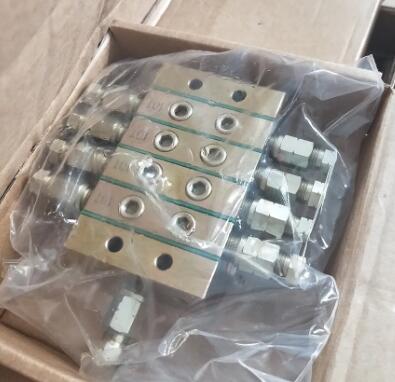

 A complete lubrication system typically includes the following engineered components: Core Components:
- Pump/Reservoir Unit – Generates system pressure and stores lubricant supply
- Controller/Timer – Initiates lubrication cycles and monitors system status
- Metering Devices – Distributors, injectors, or restrictors that control quantity per point
- Distribution Lines – Tubing, hose, or piping that transports lubricant to application points
- Fittings and Connectors – Secure connections rated for system pressure and environment
- Monitoring Sensors – Pressure switches, cycle indicators, and level sensors for fault detection
Industrial Lubrication Systems Applications
Industrial lubrication systems serve critical roles across manufacturing, mining, steel production, and heavy equipment operations. The selection between oil lubrication systems and grease-based solutions depends on specific application requirements, operating conditions, and maintenance capabilities.Oil Lubrication Systems for Industrial Applications
Oil lubrication systems excel in high-speed applications and provide superior cooling performance compared to grease-based alternatives. These systems are particularly effective in industrial lubrication systems where heat dissipation and contamination removal are critical. Learn more about specific oil pump types in the lubrication oil pump guide. Engineering Characteristics:- Excellent heat dissipation properties
- Low viscosity enables easy distribution
- Self-cleaning action removes contaminants
- Suitable for high-speed applications
- Effective sealing systems mandatory
- Filtration systems recommended
- Temperature monitoring advisable
- Circulation pumps for large systems
Grease Lubrication Systems for Heavy-Duty Applications
Engineering Characteristics:- Superior sealing and retention properties
- High load-carrying capacity
- Extended service intervals
- Excellent contamination resistance
- Higher pressure pumping systems
- Precise metering to prevent over-lubrication
- Temperature considerations for flow characteristics
- Progressive distribution recommended
Industry Standards and Regulatory Compliance
International Standards Framework
ISO Standards:- ISO 12924:2010 – Lubricants, industrial oils and related products — Family X (Greases) — Specification
- ISO 15136:2020 – Petroleum and natural gas industries — Progressing cavity pump systems
- ISO 281:2007 – Rolling bearings — Dynamic load ratings and rating life
- DIN 51502 – Lubricants and related products — Classification and designation
- DIN 51517 – Lubricants — Minimum requirements for gear lubricating oils
- DIN 3760 – Rotary shaft lip-type seals (radial shaft seals)
- GB/T 5903 – Industrial liquid lubricants — ISO viscosity classification
- GB/T 11145 – Classification for industrial lubricating grease
- GB/T 7631.8 – Lubricants and related products (Class L) — Classification — Part 8: Family X (Greases)
Industry Best Practices
SKF Lubrication Management Research:- Proper lubrication reduces bearing failures by 36%
- Automatic systems reduce maintenance costs by 25-40%
- Over-lubrication causes 36% of premature bearing failures
- Centralized systems reduce lubricant consumption by 30-50%
- Equipment life extension averages 25-40%
- Labor reduction: 60-80% compared to manual methods
Selection Criteria and Engineering Guidelines
Equipment Analysis Framework
Lubrication Point Assessment:- 1-10 points: Consider manual or SLR systems
- 10-50 points: Evaluate progressive or PDI systems
- 50+ points: Dual-line or multi-line systems typically optimal
- Remote or dangerous locations favor automatic systems
- Easily accessible equipment may utilize manual backup
- Overhead installations require automatic systems
- Production-critical equipment demands redundant systems
- Non-critical equipment allows simpler, cost-effective solutions
- Safety-critical applications require monitoring capabilities
Environmental Considerations
Temperature Analysis:- Extreme temperatures affect lubricant flow characteristics
- High-temperature applications require heat-resistant components
- Low temperatures may require heated reservoirs
- Dusty environments favor sealed systems
- Corrosive atmospheres require protected components
- Wash-down areas need IP67 or higher protection
- High-vibration environments require robust mounting
- Shock loads may affect metering accuracy
- Flexible connections accommodate movement
Economic Analysis Framework
Total Cost of Ownership:- Initial system investment
- Installation and commissioning costs
- Training and operational expenses
- Maintenance and spare parts
- Energy consumption
- Lubricant consumption efficiency
- Equipment life extension benefits
- Maintenance labor reduction
- Unplanned downtime prevention
- Energy efficiency improvements
- Lubricant waste reduction
Comparative Performance Analysis
System Performance Matrix
| System Type | Points | Complexity | Initial Cost | Operating Cost | Reliability | Maintenance |
|---|---|---|---|---|---|---|
| Manual | 1-10 | Low | $50-500 | High | Medium | High |
| Single-Line | 5-20 | Low | $500-2,000 | Low | Medium | Low |
| PDI | 10-500 | Medium | $2,000-15,000 | Medium | High | Medium |
| Progressive | 10-100 | Medium | $3,000-20,000 | Medium | High | Medium |
| Dual-Line | 50-500+ | High | $10,000-100,000+ | Medium | Very High | Medium |
| Multi-Line | Unlimited | Very High | $15,000-150,000+ | High | Very High | High |
Performance Characteristics
Accuracy Rankings:- Multi-Line (±1%)
- PDI (±2%)
- Single-Line (±5%)
- Progressive (±10%)
- Dual-Line (±15%)
- Manual (±20-50%)
- Multi-Line (99.9%)
- Dual-Line (99.7%)
- PDI (99.5%)
- Progressive (99.5%)
- Single-Line (99.0%)
- Manual (95%)
Real-World Implementation Cases
The scenarios below are composite examples based on published case studies and industry reports. Actual investment, savings, and reliability improvements vary by application, equipment condition, and operating environment.rnThe following scenarios are synthesized from published case studies in steel, mining, and automotive applications. Values represent typical ranges observed in industry literature.
Case Study 1: Steel Mill Dual-Line Implementation
Application Details:- Industry: Steel manufacturing
- Equipment: Rolling mill bearing lubrication
- Lubrication points: 150
- Operating environment: High temperature, dusty conditions
- Dual-line grease system with progressive distributors
- NLGI 2 lithium complex grease
- Automated cycle timing with manual override
- Remote monitoring capability
- Investment: $85,000
- Annual savings: $180,000
- ROI period: 5.7 months
- Bearing failure reduction: 90%
- Maintenance labor reduction: 70%
Case Study 2: Mining Conveyor Progressive System
Application Details:- Industry: Copper mining
- Equipment: Conveyor bearing systems
- Lubrication points: 80
- Operating environment: Outdoor, contaminated
- Progressive grease lubrication system
- Environmental protection IP67
- Visual cycle indicators
- Manual backup capability
- Investment: $45,000
- Annual savings: $120,000
- ROI period: 4.5 months
- Uptime improvement: 85%
- Lubricant consumption reduction: 50%
Case Study 3: Manufacturing PDI System
Application Details:- Industry: Automotive assembly
- Equipment: Production line machinery
- Lubrication points: 200
- Operating environment: Clean, controlled
- PDI oil lubrication system
- Electronic monitoring and control
- Variable interval programming
- Integrated alarm system
- Investment: $65,000
- Annual savings: $140,000
- ROI period: 5.6 months
- Lubrication consistency: 95%
- Maintenance time reduction: 60%
Systematic Selection Process
Phase 1: Requirements Analysis
Equipment Inventory:- Document all lubrication points and requirements
- Assess point accessibility and environmental conditions
- Determine lubricant types and consumption rates
- Evaluate current maintenance practices and costs
- Analyze equipment criticality and downtime costs
- Evaluate maintenance capabilities and resources
- Determine budget constraints and ROI expectations
- Assess integration requirements with existing systems
Phase 2: Technical Evaluation
System Matching:- Compare system capabilities against requirements
- Evaluate environmental compatibility
- Assess accuracy and reliability requirements
- Consider expansion and modification potential
- Calculate total cost of ownership for each option
- Project maintenance savings and efficiency gains
- Determine payback periods and long-term ROI
- Consider financing and implementation costs
Phase 3: Implementation Planning
System Selection:- Create weighted decision matrix
- Validate selection with stakeholders
- Develop implementation timeline
- Plan training and support requirements
- Design detailed system layout
- Procure equipment and materials
- Schedule installation and commissioning
- Implement training and documentation
Maintenance Engineering Best Practices
Preventive Maintenance Framework
Daily Monitoring:- Visual system operation verification
- Reservoir level and pressure checks
- Indicator function confirmation
- Leak detection and documentation
- External component cleaning and inspection
- Electrical connection verification
- Timer and control system checks
- Emergency stop function testing
- Filter replacement and system flushing
- Pressure relief valve calibration
- Distribution line pressure verification
- Metering device accuracy checks
- Complete system disassembly and inspection
- Component replacement based on wear analysis
- Comprehensive performance testing and calibration
- Documentation updates and training refresh
Troubleshooting Guidelines
Insufficient Lubrication:- Verify pump operation and system pressure
- Check distribution line integrity
- Confirm lubricant viscosity and temperature
- Validate timer settings and cycle completion
- Adjust metering device calibration
- Check for failed components or bypasses
- Verify system pressure regulation
- Review lubrication schedules and requirements
- Implement filtration upgrades
- Replace contaminated lubricant
- Inspect and repair sealing systems
- Review storage and handling procedures
Technical FAQ
1. How is the optimal lubrication system determined?
Lubrication system selection depends on five critical factors: number of lubrication points, operating environment, lubricant requirements, economic constraints, and maintenance capabilities. For equipment with 1-10 points, consider manual lubrication systems or single-line resistance systems. For 10-50 points, evaluate progressive lubrication systems or PDI systems. For 50+ points, dual-line lubrication systems or multi-line systems typically provide optimal performance.2. What’s the difference between oil lubrication systems and grease lubrication systems?
Oil lubrication systems excel in high-speed applications requiring cooling and contamination removal, while grease lubrication systems provide superior sealing and load-carrying capacity for heavy-duty, slow-speed applications. Oil systems flow more easily but require better sealing, while grease systems stay in place longer but have heat dissipation limitations. The choice between these lubrication system types significantly impacts maintenance requirements and system design.3. What are the main types of lubrication systems available?
The main types of lubrication systems include manual lubrication systems, single-line resistance systems, progressive lubrication systems, PDI (Positive Displacement Injector) systems, dual-line lubrication systems, and multi-line lubrication systems. Each lubrication system type serves specific applications based on the number of lubrication points, operating conditions, and accuracy requirements.4. How do automatic lubrication systems improve equipment reliability?
Automatic lubrication systems provide consistent lubricant delivery, reduce human error, and ensure proper lubrication intervals. These industrial lubrication systems typically improve equipment reliability by 40-60% compared to manual lubrication methods, while reducing maintenance labor by 60-80% and extending bearing life by 200-400%. For comprehensive information about automatic systems, see the automatic lubrication system overview.5. What ROI is typical for industrial lubrication systems?
Published case studies and industry reports commonly report ROI periods of 4-12 months for properly implemented industrial lubrication systems. The exact payback depends on equipment count, labor cost, downtime value, and baseline failure rate. The examples in this guide are illustrative; actual savings vary by application.6. Which international standards apply to lubrication systems?
Key standards include ISO 12924:2010 for grease specifications, ISO 15136:2020 for progressing cavity pump systems, DIN 51502 for lubricant classification, and GB/T 7631.8 for grease classification in China. Compliance with applicable regional and OEM standards ensures safety, reliability, and market acceptance.7. How are manufacturer performance claims validated?
Performance validation requires checking ISO/DIN compliance, reviewing third-party test data, examining case studies from similar applications, and requesting customer references. Independent sources like Machinery Lubrication Magazine and Noria Corporation provide unbiased performance data.8. What maintenance requirements are typical?
Maintenance complexity varies by system type. Manual systems require high operator involvement but minimal technical expertise. Automatic systems need scheduled service but less frequent attention. Progressive and dual-line systems require moderate technical knowledge, while multi-line systems demand skilled technicians for optimal performance.9. How are pumps and reservoirs sized?
Pump sizing depends on system pressure requirements, flow rates, and distribution distance. Calculate total lubricant consumption, add 20-30% safety margin, and consider peak demand periods. Reservoir sizing should provide 30-90 days of lubricant supply, depending on accessibility and refill convenience.10. Can lubrication systems handle multiple lubricant types?
System capability varies by design. Single-line and progressive systems typically handle one lubricant type per system. PDI systems can accommodate different viscosities with proper injector selection. Multi-line systems excel at handling multiple lubricant types simultaneously through dedicated distribution lines.11. What documentation and training are essential for successful implementation?
Essential documentation includes system schematics, component specifications, maintenance schedules, troubleshooting guides, and safety procedures. Training should cover normal operation, routine maintenance, troubleshooting basics, and emergency procedures. Plan for initial intensive training plus annual refresher sessions.12. How are lubrication systems integrated with maintenance programs?
Integration requires aligning lubrication schedules with planned maintenance windows, incorporating system monitoring into existing CMMS software, training maintenance staff on new procedures, and establishing spare parts inventory management. Consider implementing condition monitoring to optimize maintenance intervals.13. What are the key performance indicators for lubrication system effectiveness?
Critical KPIs include equipment reliability improvement (target: 40-60% increase), maintenance cost reduction (target: 25-40% decrease), lubricant consumption efficiency (target: 30-50% reduction), and unplanned downtime prevention (target: 80-90% reduction). Monitor these metrics quarterly to validate system performance.People Also Ask
These questions frequently appear in search results for lubrication systems and related terms.
What is a lubrication system?
A lubrication system is an engineered network that delivers controlled amounts of lubricant to moving machine parts. Its primary functions are reducing friction, removing heat, preventing wear, and protecting against corrosion.
What are the parts of a lubrication system?
Core parts include a reservoir, pump or grease gun, metering devices or restrictors, distribution lines, fittings, filters, controls or timers, and safety devices such as pressure-relief valves. See the Key Components and Equipment section for details.
How does oil lubrication work?
Oil lubrication works by circulating a thin fluid film between moving surfaces. The oil is pumped from a reservoir, filtered, distributed to bearings or gears, and then returned or drained. The fluid film separates metal surfaces, carries away heat, and flushes contaminants.
What is a manual lubrication system?
A manual lubrication system relies on operators to apply lubricant with grease guns, oil cans, or hand pumps. It is simple and low cost but introduces variability in timing and quantity, so it is best suited to small, non-critical equipment.
How is a lubrication system maintained?
Maintenance includes monitoring reservoir levels and pressure, replacing filters, inspecting lines and fittings for leaks, calibrating metering devices, checking controls and alarms, and periodically flushing and refilling with clean lubricant. Maintenance frequency varies by system type and operating conditions.
What is the function of a lubricating system?
The function of a lubricating system is to supply the right amount of suitable lubricant to machine components at the right time. This reduces friction and wear, removes heat, seals against contaminants, and extends component service life.

