




Why Dozers Need Lubrication?
By automatically lubricating DOZERS, you can prevent them from shutting down prematurely, extending their life. Grease prevents contaminants from entering the system during operation, so it can be used for a long time. It is easier to operate the machine safely because it does not require manual labor, saving you money on repairs. By preserving your equipment and protecting your workforce, you will save money on repairs.
ARE YOU LOOKING FOR AN AUTOMATED LUBE SYSTEM?
- Greasing every point on the wheel loader prevents dust and dirt from entering worn surfaces while it is in operation.
- As hard-to-reach lubrication points can be serviced without crawling under or over equipment, there is increased safety.
- By decreasing wear on vital components, an automatic lubrication system improves equipment life.
- With a payback often within the first year, fleets can gain 30 minutes or more of operating time per day.
- LUBRICATION SYSTEM
- Grease Pump
- Progressive Distributor
- Hose

IsoHiTech could provide the complete kit.IsoHiTech also provide the OEM Service for well-known brand in the world
1. Grease Pump
2. Progressive Distributor
3. Hose and fittings
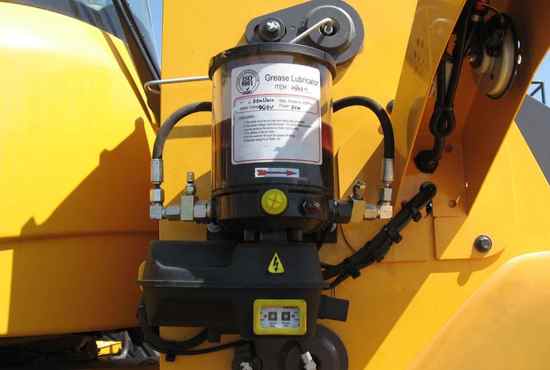
The CSK Lubricator is a multiple-outlet(Maximum up to 3) lubrication unit powered by an electric motor, suitable for use with progressive divider valve systems. This model comes with up to three separate pumping elements and can also be fitted with 24 VDC motors, making it ideal for mobile applications. It has an integral controller or can be managed through our internal timers

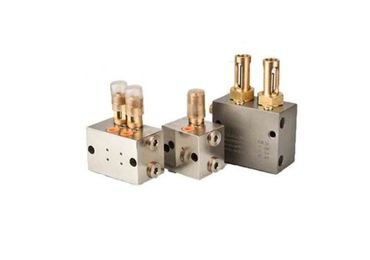
Mono Divider Valves are designed to precisely meter lubricant from 6 up to 20 separate outlets. Each Output is fixed at 0.17cc per cycle, you could increase output when needed by plugging the outlet. Cycle indicator pins offer visible verification of operations and can also be fitted with a switch to signal a system controller.

IsoHiTech provide the hose and couplings
Hose Parameter
O.D.9mm and I.D.4mm
O.D.11mm and I.D.6mm
Grease Nipple Size
Pt 1/8 and Pt 1/4
Related Products


Comprehensive Guide to Dozer Lubrication: Principles, Practices, and Technological Advancements
Lubrication is essential for bulldozers and heavy earthmoving equipment. It helps them last longer and reduces operating costs. This guide looks at the key principles and practices of dozer lubrication and includes new technology. This helps maintenance workers boost equipment performance and make it last longer.
The Importance of Dozer Lubrication
Without enough lubrication, parts can overheat, corrode, or fail completely. This leads to long downtime and expensive repairs.
Proper lubrication can significantly reduce maintenance costs. It does this by reducing wear and tear. The economic impact is significant. Less downtime boosts productivity. This matters because dozers work in tough conditions. They deal with dust, dirt, heavy loads, and extreme temperatures. Systematic lubrication programs often deliver payback within the first year. They may add 30 minutes or more of productive time each day by cutting down on maintenance needs.
Real-world examples underscore the importance of proper lubrication. When it started up, a dozer in Minneapolis had low oil pressure. It had been idle in subzero temperatures, which put it at risk of serious damage. The issue was SAE 10W-30 oil, which became too thick to flow well. This shows the importance of choosing the right lubricants for expected conditions.
Understanding Dozer Lubrication Systems
Dozer lubrication systems are diverse, catering to different operational needs:
- Manual lubrication systems require operators to apply lubricants by hand. This method is accurate and inexpensive. However, it may cause inconsistencies and safety issues.
- Automatic centralized systems provide exact amounts as the machine operates. This reduces human error and boosts efficiency. However, they require a higher upfront investment.
- Pressure-fed systems rely on pumps for high-pressure delivery. They are great for critical components but can be tricky to set up.
- Splash lubrication works in tight spaces, like engines. However, it offers less control compared to other methods.
The shift from manual to automated systems shows how technology has advanced. This includes parts like pumps, reservoirs, and filters. Caterpillar, Komatsu, and John Deere each offer unique service manual designs. Knowing their recommendations is important.
Critical Lubrication Points and Lubricant Types
Dozers need regular lubrication at many points. This helps prevent wear and keeps them performing well. Undercarriage parts are very important. Lubricated track links and rollers face constant contact and wear. Manufacturers usually suggest lubricating these parts every 50 to 100 hours. However, the exact timing can differ by model.
The blade hydraulic system is also very important. There are grease points on the lift cylinders, tilt mechanisms, and trunnion bearings. Not lubricating these often can cause stiff and jerky blade movement. This may also lead to mechanical damage.
Engine, transmission, and drivetrain components also have exacting lubrication requirements. Many older dozers use 10W-30 oil for the engine, transmission, and hydraulics. In contrast, modern machines usually have specific formulas for each system. Using manufacturer-specified oils is crucial for performance and warranty coverage.
Choosing the right lubricants depends on both the equipment and operating conditions. In general:
- Engine oils should meet API performance classifications and viscosity requirements.
- Hydraulic fluids often use multigrade formulas for wide temperature ranges.
- Gear lubricants typically require extreme pressure (EP) additives for high loads.
- Greases are selected by thickener type, such as lithium complex. They also depend on how they are applied and on their water resistance.
Some special tasks need different lubricants. For example, working in the Arctic or dusty areas requires unique options.
Lubrication Schedules and Best Practices
Effective dozer lubrication relies on well-planned maintenance schedules. While specific intervals vary by manufacturer and model, common practices include:
- Daily checks of fluid levels, high-wear points, and visual leaks.
- Scheduled maintenance every 50, 100, 250, 500, or 1,000 hours.
- Seasonal adjustments for winter-grade fluids or dusty conditions.
- Comprehensive documentation for historical tracking and analysis.
Within these schedules, best practices optimize effectiveness and reduce common errors. Operators should use lubricants before they hear any wear. Metal-on-metal contact means damage has started. Before adding new grease, make sure to remove the old grease completely. This prevents mixing that could cause problems. Cleaning grease fittings is important. Dirty fittings can send harmful particles into parts.
This customizes maintenance based on real-world use. It works whether the dozer runs all the time or just sometimes. Digital tracking tools can streamline this process for seamless fleet management.
Common Problems and Solutions
Dozers can still face problems, even with good lubrication. This can happen due to improper application, contamination, or environmental factors. Not enough lubrication can lead to harmful metal-on-metal contact. This can quickly cause welding and galling as worn particles scrape the surfaces. Mechanics may identify this condition by metallic flakes in used oil during service. Over-greasing can also cause problems like seal damage and excess heat retention.
Contamination poses another serious threat. Dust, dirt, and moisture can speed up lubricated systems’ wear, rust, and oil breakdown. Extreme conditions raise these risks. Dust can get in more easily in dry areas, and condensation might contaminate oil reservoirs in Arctic regions.
Effective prevention and early detection are key to managing these issues. Maintenance personnel should:
- Visually monitor for signs such as lubricant discoloration, component overheating, or visible wear.
- Analyze used oil samples regularly for contaminants and wear metals.
- Select appropriate seasonal lubricants and implement robust storage and handling procedures.
- Use filtration, sealed systems, and proper application tools to control contamination.
- Integrate oil analysis into condition monitoring systems for proactive maintenance.
When problems do arise, a systematic troubleshooting approach is vital. Check fluid levels and quality. Look for leaks or breaches. Also, maintenance records should be reviewed to spot any potential issues. Consult equipment and lubricant manufacturer guides for model-specific diagnostics. A swift response minimizes downtime and prevents cascading damage.
Advanced Lubrication Technologies
Dozer lubrication systems are getting more advanced. This change shows how maintenance automation and engineering are improving overall. Modern auto-lube systems track dozer functions. They provide the right amount of grease to all connected points at the same time. This eliminates over/under-greasing risks while allowing mechanics to focus on other priorities.
These systems have evolved dramatically in recent years. Cutting-edge designs now feature:
- Compact, modular components for streamlined installation and servicing.
- Internal sensors that detect blockages and automatically cycle to clear obstructions.
- Integrated data logging for performance tracking and predictive diagnostics.
- Compatibility with biodegradable lubricants for enhanced sustainability
- Customizable programming tailored to specific equipment models and applications.
Komatsu dozers use the Groeneveld auto-lube system, which has a special pump and follower plate. It helps optimize grease use in all conditions. Operators can quickly add auxiliary attachments using quick-connect fittings, boosting versatility. OEM-integrated and retrofit systems are changing lubrication for all major dozer brands.
Telematics boosts these abilities by allowing remote, real-time checks on lubrication system health. Mechanics can track grease levels, pump cycles, and operating conditions using their smartphones or fleet management software. Advanced systems use this data for condition-based maintenance. They optimize service intervals based on real wear rates instead of fixed schedules.
Sustainability is now a major focus for equipment. So, lubrication is evolving too. Biodegradable greases and oils minimize environmental impact without compromising performance. High-efficiency formulas maintain effectiveness over extended change intervals, reducing lifetime oil consumption. New technologies will further cut waste through recycling and filtration systems.
Manufacturer-Specific Requirements
Navigating the world of dozer lubrication requires careful attention to manufacturer specifications. Every OEM has specific needs. These depend on their equipment’s design, suggested lubricant types, and warranty terms.
Caterpillar suggests certain mixes of fluids for each dozer model. This includes:
- Engine oil
- Transmission fluid
- Hydraulic fluid
- Gear lubricant
- Grease
For example, the recommended engine oil for a Cat D6 dozer may differ substantially from that used in a D11. Following these guidelines ensures peak performance and longevity.
John Deere uses a similar method. They offer special lubricants, including Plus-50 II engine oil, Hydrau hydraulic fluid, and Cool-Gard II antifreeze/coolant. Using these fluids with Deere’s maintenance schedules helps protect each machine part from specific stresses.
Komatsu’s lubrication recommendations focus heavily on contamination control and extreme conditions. Their dozers have special breathers, filters, and dust seals. These parts keep fluids clean, even in tough conditions. Komatsu also emphasizes regular oil sampling to detect wear trends before failures occur.
Managers should know that aftermarket lubricants can save money. However, using them instead of OEM products might affect warranty coverage and performance. Always check the manufacturer’s documentation when creating a dozer lubrication plan. Experienced suppliers can suggest high-quality alternatives. They do this when budgets need flexibility and spec requirements must be met.
Conclusion
Good dozer lubrication is key to boosting equipment life and performance. Fleet managers can build strong programs by knowing how to choose lubricants, where to apply them, when to maintain schedules, how to control contamination, and what manufacturers specify. This approach helps optimize protection.
Automatic lubrication systems, telematics, and condition-monitoring technologies are changing dozer maintenance. As tools get smarter, proactive service will continue to replace reactive repairs. Sustainability-focused chemistries will also minimize environmental impact without sacrificing performance.
Ultimately, well-executed lubrication delivers concrete bottom-line benefits. To boost component lifespans, cut downtime, and improve equipment efficiency. These actions lead to a stronger balance sheet. Dozers are pushing productivity limits. Lubrication is key to unlocking their full potential.
Before you buy: read our central lubrication system guide.
Frequently Asked Questions
Proper lubrication reduces friction, prevents wear and tear, and extends the life of dozer components. It also improves equipment performance and reduces maintenance costs.
- Manual lubrication systems: Require operators to apply lubricants by hand.
- Automatic centralized lubrication systems: Distribute lubricant automatically while the machine is running.
- Pressure-fed systems: Pumps deliver lubricant under high pressure to critical components.
- Splash lubrication: Used in enclosed areas like engines, where oil is splashed onto moving parts.
- Undercarriage components: Track rollers, idlers, sprockets, and track chains.
- Blade and hydraulic systems: Lift cylinders, tilt cylinders, trunnion bearings, and control linkages.
- Engine and powertrain: Engine components, transmission, differential steering, and hydraulic pump drives.
- Operator station and accessories: Pivot points, control levers, and attachment points.
- Engine oils: Selected based on API classifications, viscosity requirements, and operating conditions.
- Hydraulic fluids: Typically multi-viscosity oils formulated for wide temperature ranges.
- Gear oils: Used in final drives and transmissions, often with extreme pressure (EP) additives.
- Greases: Chosen based on thickener type, application method, and water resistance.
Lubrication schedules vary by manufacturer and model but typically include daily checks, 50-hour, 100-hour, 250-hour, 500-hour, and 1000-hour service intervals.
- Under-lubrication: Causes metal-on-metal contact, leading to wear and component failure.
- Over-greasing: Can damage seals and cause excess heat retention.
- Contamination: Dust, dirt, and moisture can accelerate wear and degrade lubricant performance.
- Automatic systems ensure consistent, precise lubrication at predetermined intervals.
- They reduce the risk of over- or under-greasing and minimize maintenance labor.
- Advanced systems can monitor lubricant levels, system health, and operating conditions remotely.
- Each manufacturer has unique specifications based on equipment design, recommended lubricants, and warranty conditions.
- Following these guidelines ensures optimal performance, longevity, and warranty coverage.
- While aftermarket lubricants can offer cost savings, using them may impact warranty coverage and performance.
- Always consult manufacturer documentation and work with experienced suppliers to find suitable alternatives that meet specifications.