




Excavators Lubrication
It is possible to extend the life of Excavators by automatically lubricating them, since grease prevents contaminants from entering the system during operation, extending their life. You will save money on repairs if you preserve your equipment and protect your workforce. Since the machine does not require manual labor, it is easier to operate.Part of our heavy equipment lubrication system solutions for construction and mining fleets.
ARE YOU LOOKING FOR AN AUTOMATED LUBE SYSTEM?
- Greasing every point on the wheel loader prevents dust and dirt from entering worn surfaces while it is in operation.
- As hard-to-reach lubrication points can be serviced without crawling under or over equipment, there is increased safety.
- By decreasing wear on vital components, an automatic lubrication system improves equipment life.
- With a payback often within the first year, fleets can gain 30 minutes or more of operating time per day.
- LUBRICATION SYSTEM
- Grease Pump
- Progressive Distributor
- Hose

IsoHiTech could provide the complete kit.IsoHiTech also provide the OEM Service for well-known brand in the world
1. Grease Pump
2. Progressive Distributor
3. Hose and fittings
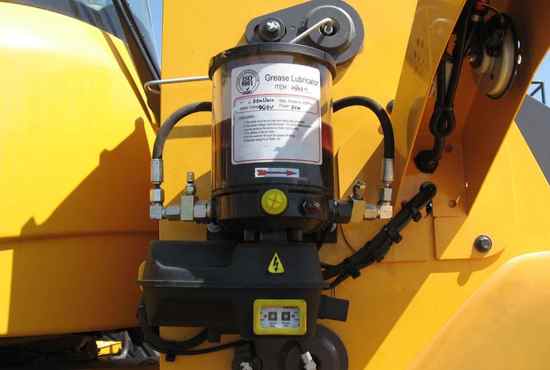 The CSK Lubricator is a multiple-outlet(Maximum up to 3) lubrication unit powered by an electric motor, suitable for use with progressive divider valve systems. This model comes with up to three separate pumping elements and can also be fitted with 24 VDC motors, making it ideal for mobile applications. It has an integral controller or can be managed through our internal timers

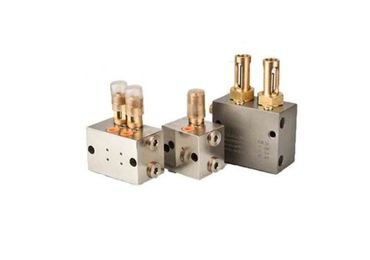
Mono Divider Valves are designed to precisely meter lubricant from 6 up to 20 separate outlets. Each Output is fixed at 0.17cc per cycle, you could increase output when needed by plugging the outlet. Cycle indicator pins offer visible verification of operations and can also be fitted with a switch to signal a system controller.

IsoHiTech provide the hose and couplings
Hose Parameter
O.D.9mm and I.D.4mm
O.D.11mm and I.D.6mm
Grease Nipple Size
Pt 1/8 and Pt 1/4
Related Products


Comprehensive Guide to Excavator Lubrication: Systems, Best Practices, and Advanced Technologies
Introduction
Lubrication for excavators is essential for heavy equipment. It reduces wear, extends equipment life, and reduces costly downtime. In construction and earthmoving, excavators deal with tough conditions. These environments put a lot of stress on their parts. Lubrication protects moving parts. It creates a barrier that stops metal-to-metal contact. This contact can cause wear and lead to early failure. As the adage goes, “the operator’s effectiveness is reflected in the amount of grease used.” This guide covers all aspects of excavator lubrication. It discusses core concepts, key lube points, and new technologies. You’ll also learn how these advancements can improve maintenance and increase profits.
The Fundamental Importance of Excavator Lubrication
Every excavator operator and maintenance technician should know that greasing is vital. It looks easy, but it boosts daily performance and helps machines last longer. Lubrication acts as a shield and a key maintenance step. It cuts down friction between moving parts, helping to prevent harmful metal-to-metal contact. This protective layer is vital for excavators that work in tough settings and face a lot of stress.
Poor greasing causes many problems. It lowers efficiency and can lead to serious wear or damage to parts. Inconsistent greasing can lead to grease seal failure. This increases wear on friction points, such as bushings and pins, decreasing their lifespan. Excavators work as integrated systems. When one part wears out, it can affect others, causing a domino effect of failures. Such issues can be costly for machinery.
The consequences of insufficient lubrication extend beyond immediate mechanical problems. When components experience increased wear, the precision of excavator movements suffers significantly. A bigger gap between bucket connections makes leveling or smoothing much harder. Maneuvers that should be done in one smooth motion may take several tries. This can lower efficiency and raise fuel use. If the grease in the excavator’s travel mechanism isn’t kept up, it can cause track misalignment. This can lead to wear and tear on other parts, creating serious safety risks.
Understanding Excavator Lubrication Systems
Modern excavators use different lubrication systems. Each system meets the specific needs of various parts and working conditions. Comprehending these systems is essential for implementing effective maintenance programs.
Manual Greasing Systems and Their Components
Manual greasing means a worker uses a grease gun to apply lubricant to certain spots. These systems rely on grease fittings, known as zerks, placed in key spots on the machine. Manual greasing takes time, but it lets you see the components up close, allowing you to spot any problems before they get worse.
For manual systems, first find all the lubrication points on the machine. A typical excavator includes connection points on the bucket linkage, boom foot, boom-to-stick joints, slew bearing, and hydraulic cylinder attachments. Each of these points contains a grease fitting that receives lubricant from a grease gun. The operator must work through each point carefully, applying the right amount of grease. Fresh lubricant should show at the joints.
Automatic Centralized Lubrication Systems
Automatic lubrication systems represent a significant advancement in excavator maintenance technology. These systems release lubricant while the machine runs, keeping protection steady and not interrupting work. They use smaller amounts of lubricant but more often than manual methods, keeping lubrication levels just right and stopping under- and over-greasing.
The Twin automatic lubrication system from Groeneveld-BEKA shows this technology in action. It works on many excavators around the world. This system has a pump with a follower plate to use all the grease. It has a double mainline network, distribution blocks with meters, and lines to each lubrication point. The follower plate keeps the reservoir wall clean. This helps you check the grease level easily and stops grease from oxidizing.
For different excavator sizes, manufacturers offer various automatic systems tailored to specific requirements:
- Mini excavators often use compact systems like EcoPlus. These systems have zinc-nickel-coated divider blocks. They can handle tough conditions.
- Medium excavators often use heavy-duty greasing systems like Twin. These systems are fully monitored, have strong parts, and connect directly to the excavator’s systems.
- Large excavators might have complex systems. They often include extra monitoring and special distribution networks.
Evolution and Integration with Digital Systems
Excavator lubrication systems have changed a lot over the years. They now use more digital parts and sensors and connect with machine telematics. Digital transformation in machinery lubrication relies on IoT technology and smart sensors.
These tech advances allow us to monitor lubrication details in real time. We can check temperature, vibration, and lubricant levels easily. Data analytics and machine learning help maintenance teams move from reacting to issues to predicting them. They can spot potential issues before failures happen. This change marks a key shift in excavator lubrication. It moves from calendar-based maintenance to condition-based practices. This new approach optimizes lubricant use and boosts machine performance.
Critical Lubrication Points on Excavators
Understanding the specific lubrication points on an excavator is essential for proper maintenance. Every point has a specific role in the machine and needs regular care to avoid early wear and breakdown.
Front Attachment Components
The front attachment of an excavator has many moving parts. These parts face a lot of stress while working. They need regular lubrication to stay functional and avoid wear.
The boom foot pins and bushings connect the boom to the main body. This connection gets a lot of stress when digging. It needs regular greasing to avoid seizing and wear. Grease fittings are usually found on both sides of the main boom pin.
The boom-to-stick joint represents another critical lube point. When the stick is fully curled, operators can reach the grease fittings, which help lubricate the connection. Each side of the pin has one fitting, which helps spread lubricant evenly.
The stick-to-bucket linkage contains multiple lubrication points that require careful attention. This includes the “dog bone” connection. It has one grease fitting at the stick and two at the bucket curl mechanism. This linkage feels a lot of stress when digging. It needs frequent greasing to work properly.
Bucket pins and bushings endure intense pressure and abrasion when digging. These points typically have grease fittings either on the pin end or the side of the connection. Regular lubrication here is vital to prevent binding and ensure smooth bucket operation.
Quick couplers for changing attachments have their own set of lubrication points. The exact spot depends on the coupler design. Proper lubrication is key to smooth attachment changes and prevent early wear.
Slew System Components
The slew system allows the excavator’s upper part to rotate. It needs care to stay functional and avoid expensive repairs.
The slew bearing/ring gear is one of the most expensive excavator components. Replacement costs $30,000 to $50,000. It typically has one or two grease fittings that may be located near the cab. Some machines need you to reach the back of the bearing. You may have to crawl under them or turn the upper structure 180 degrees.
Manufacturers provide specific greasing procedures for the slew gear.
On mini excavators, operators do the following:
- Pump 2-4 strokes of grease at 0 degrees (boom over blade).
- Raise the boom.
- Rotate 90 degrees.
- Lower the boom and attach it to the ground.
Then, repeat this process at 90-degree intervals.
This ensures proper lubricant distribution around the bearing.
Hydraulic System Components
The hydraulic system drives the excavator. It has many parts that need good lubrication to work properly.
Hydraulic cylinders connect to the machine at pivot points that need regular greasing. These include the boom cylinders with grease blocks on the main body and the stick cylinder, which has fittings at both ends. These connection points face a lot of stress. They need regular lubrication to avoid binding and early wear.
Many excavators feature centralized grease blocks that distribute lubricant to multiple points. For example, a grease block on the main body might service the boom cylinder and main pin connections. Centralized points make greasing easier. However, they need proper maintenance. This ensures all connected points get enough lubrication.
Types of Lubricants for Excavators
Selecting the appropriate lubricant for each application is crucial for effective excavator maintenance. Different parts and conditions need specific lubricant qualities for optimal protection and performance.
Greases
General-purpose lithium greases work well for many parts in regular conditions. However, they might not perform best in extreme environments.
For demanding applications, lithium complex greases offer enhanced performance. These formulations melt at higher temperatures. So, they last longer in hot areas like heavily loaded bearings and bushings.
Specialized pin and bush greases have solid lubricants, such as molybdenum disulfide. They continue to provide lubrication even when the base grease runs out, which is particularly valuable for bucket linkages and other high-wear pivot points.
Water-resistant greases for excavators work well in wet areas. They stop washout and keep protection, even when moisture is present. These greases form a protective barrier that resists water displacement.
Hydraulic Fluids
Modern excavators use advanced hydraulic systems. These systems need special fluids with the right properties. These fluids must protect against wear, keep the right viscosity at different temperatures, and work well with seals and parts in the system.
Hydraulic fluid quality and cleanliness directly impact system performance and component longevity. Regularly checking fluid conditions by sampling and analyzing can spot contamination early, helping prevent damage to pumps, valves, or cylinders.
Environmental Considerations
Biodegradable lubricants are a great choice for excavators. They are sustainable and help protect sensitive areas, like waterways and urban sites. As regulations tighten, using these lubricants makes even more sense. If released, they break down naturally, reducing environmental impact.
Manufacturers created lubrication systems that work with biodegradable greases. This compatibility helps operators meet environmental rules while still protecting their equipment, representing an important advancement in sustainable excavator maintenance.
Lubrication Schedules and Best Practices
Regular lubrication is essential for smooth excavator operation and longevity. A systematic way to manage lubrication keeps equipment running smoothly and extends its life.
Daily Inspection and Greasing
Daily greasing of key components is strongly recommended for most excavator applications. Grease the bucket linkage every day. It moves often, gets hit, and drags through dirt. This action squeezes out grease and allows contamination, necessitating frequent reapplication.
Other parts, like the stick and boom connections, may need grease every 2-3 days. However, daily checks are often best, especially in tough jobs. An experienced operator says, “I would rather over-grease than under-grease.” This shows the preventive approach that drives good excavator maintenance.
Manufacturers provide detailed service schedules based on operating hours. These usually involve daily checks (8-10 hours), as well as services at 50/100 hours, 250 hours, 500 hours, and major services at 1000/2000 hours. These intervals serve as guidelines that should be adjusted based on operating conditions.
Environmental Adaptations
Operating environments significantly impact lubrication requirements. Excavators in water or wet conditions need more lubrication. Use water-resistant greases to stop washout and protect components. Constant moisture can wash away regular greases, making parts more prone to corrosion and faster wear.
Grease joints more often in dusty or sandy areas. This helps remove dirt before it can cause damage. Fresh grease pushes out old grease and debris, preventing abrasive wear.
Temperature extremes require special consideration. Cold temperatures can make grease hard to pump, while high temperatures can cause some greases to break down quickly. Selecting the right grease formulation for the environment is crucial.
Proper Techniques
Effective greasing involves more than connecting a grease gun to fittings. Before lubricating points, it is essential to clean all fittings. If not, dirt can get into the joint. This will wear it out early since the mixture rubs against metal parts.
When possible, remove old grease before applying new, especially if changing types. It’s important to note that some greases don’t mix well. This can lead to separation or make them less effective.
Developing a consistent routine helps ensure that no points are missed. Greasing points in the same order every day creates a reliable pattern. This methodical approach reduces the likelihood of overlooking components.
Common Problems and Solutions
Even with regular maintenance, lubrication issues can arise. Understanding common problems and their solutions helps to maintain excavator performance.
Under-Lubrication
Under-lubrication leads to increased friction, heat, and component failure. Warning signs include unusual noises, increased temperatures, and stiff movement. These symptoms indicate metal-to-metal contact and accelerated wear.
Insufficient lubrication on the slew bearing can cause early failure. This may lead to a need for complete replacement. First, unbolt the upper structure from the undercarriage to replace the slew bearing. Then, lift it off using a crane. This process can cost up to $50,000 and may lead to several days of downtime.
Over-Greasing
Too much grease can harm seals and create leaks, resulting in avoidable problems and harm to the environment. Greasing needs the right amount, timing, and frequency. You should have training and experience to prevent under- or over-lubrication.
Damaged seals let lubricant escape and let contaminants in. This creates a bigger problem that speeds up wear. Use lubricant until you see fresh grease. Then stop to prevent too much pressure on the seals.
System Troubleshooting
Automatic systems can develop faults that trigger alarms. These may not necessarily indicate lubrication problems but could involve several components.
Low pressure in pneumatic pump supply lines is one common issue. Troubleshooting should include checking oil levels, air pressure, solenoid valves, and pump operation. When pressure reaches the set value, the reversing valve should function normally.
Electrical problems with solenoids, travel switches, and reversing valves can cause faults. Like loose connections, checking these parts can often fix problems without major repairs.
Lubrication Tools and Equipment
The right tools make lubrication tasks more efficient and effective. Choosing the right tools, from simple hand tools to advanced systems, boosts maintenance efficiency and protects equipment.
Grease Guns
Manual grease guns are flexible, hand-powered tools that provide precise control but require a lot of physical effort. They provide a basic but effective means of applying lubricant.
Battery-powered guns have revolutionized maintenance by reducing time and effort. You can grease an entire excavator in 5 to 10 minutes using an electric gun. First, check the fluids. This makes regular maintenance easier.
Specialized attachments help access difficult-to-reach fittings. Flexible hoses, rigid extensions, and angled couplers help technicians access tough spots easily.
Automatic Systems
Automatic lubrication systems have big benefits compared to manual greasing. They provide steady lubrication and don’t stop operation. Key components include:
The main pump stores lubricant and generates pressure to distribute it. Twin’s advanced designs feature follower plates, which help with grease use and allow for easy visual level checks.
Distribution blocks with metering units control the amount dispensed to each point. The variety of metering units ensures that every point gets the right amount needed. This precise control prevents under- and over-lubrication.
Selection Criteria
Several factors should be considered when selecting lubrication equipment for optimal performance. System capacity must match the excavator size, with larger machines requiring higher-capacity systems.
Compatibility with current monitoring systems is key for fleet operations. Standardization makes maintenance easier. Many modern systems connect to the excavator’s electronic monitoring. They alert users about low levels or malfunctions.
Environmental conditions influence equipment selection. Systems for extreme temperatures, wet areas, or dusty places often have special features, such as sealed housings or better filtration.
Advanced Technologies
Excavator lubrication is changing. New technologies boost efficiency and effectiveness. These advancements are transforming maintenance practices and improving reliability.
Digital Transformation
The digital transformation in machinery lubrication is revolutionizing maintenance through key technologies. IoT sensors in machines monitor temperature, vibration, and lubrication levels. This live data shows the condition and lubrication needs, so you can respond right away.
Data analytics and machine learning enable a shift from reactive to predictive maintenance. These systems analyze performance data patterns. They can predict when parts need lubrication or when failures may happen, helping to take preventive action. This predictive capability reduces downtime and extends life.
Telematics integration allows remote monitoring of lubrication parameters and performance. Managers can monitor lubricant use, system performance, and component health from any location. This helps them plan schedules and allocate resources better. This connectivity changes lubrication from a separate task to a key part of managing equipment.
Smart Systems
Advanced systems incorporate intelligent features that adjust to changing conditions. For example, load-sensing adaptive lubrication can modify delivery based on usage and load, optimizing consumption.
Temperature-compensating systems change frequency or volume with the operating temperature, keeping things safe in different conditions. This adaptive approach maintains optimal levels regardless of the environment.
Work mode-specific programming lets systems change settings based on the work type. An excavator doing heavy digging needs more lubrication than one doing lighter tasks. This helps protect its parts and improve efficiency.
Economic Benefits
Proper lubrication’s financial impact extends far beyond maintenance costs. A comprehensive approach delivers significant economic benefits across multiple areas.
Downtime Reduction
Proper lubrication significantly reduces unplanned downtime, which impacts project timelines and profitability. For excavators, every hour lost means lost money. It can also cause delays that affect the entire construction schedule.
An investment in an automatic lubrication system for a typical machine like the Caterpillar 320 has an ROI of as little as nine months. This quick return comes from cutting out scheduled downtime for manual greasing and reducing unplanned downtime caused by component failures.
Downtime costs include repair expenses, lost production, idle personnel, replacement equipment rental, and potential contract penalties for delays. Proper maintenance preserves operational continuity and protects profitability by preventing lubrication-related failures.
Component Life Extension
Proper lubrication helps critical parts last longer, reducing replacement needs and saving money. Consistent greasing can greatly extend pin and bushing life. Some operators report service life that is double or even triple the usual amount.
The slew bearing represents a significant cost-saving opportunity. To replace it, unbolt the upper structure. Then, use a crane to lift it. This process takes several days and costs tens of thousands. Consistent lubrication can extend its life by years, avoiding premature replacement.
Proper lubrication also delivers economic benefits in hydraulic component protection. Clean seals at cylinder connections and pivot points help prevent contamination, which reduces wear on pumps, valves, and cylinders. This protection extends component life and reduces costly hydraulic repairs.
Safety Improvements
Automatic lubrication systems improve workplace safety. They remove the need for operators to climb on machines to grease hard-to-reach spots. This reduction in climbing and reaching decreases the risk of falls and injuries.
The safety benefits go beyond just preventing injuries. They also reduce emergency maintenance, which can lead to higher-risk situations. Consistent lubrication helps prevent failures. This cuts down on emergency repairs. These repairs often occur under pressure or in tough conditions.
Conclusion
Lubricating an excavator isn’t just maintenance. It’s key to how well the equipment works, how long it lasts, and the project’s overall cost. Digital technologies, automated systems, and advanced lubricants have changed maintenance. It has shifted from a manual job to a key part of modern equipment management.
As technology advances, excavator lubrication will likely become more automated and better integrated with overall machine management. Predictive maintenance is gaining popularity. Real-time monitoring and data analytics make this possible. This approach will improve practices and ensure that components get what they need when they need it, based on actual conditions.
Environmental considerations will continue to drive innovation in lubricant formulations and delivery systems. Biodegradable lubricants and systems will grow in importance. As regulations tighten, contractors will want to reduce their environmental impact. These products help minimize consumption while maximizing protection.
Whether you use manual methods or advanced automatic systems, the key is that proper lubrication is essential. It helps protect one of the biggest investments in any construction project. Equipment owners can boost their excavator investments by using best practices. Staying updated on new technologies helps them cut costs and reduce downtime. Excavator lubrication is becoming more efficient, data-driven, and eco-friendly. This shift is a vital investment for construction companies.
Related Excavator Lubrication Guides
- Excavator Grease Points Diagram & Location Guide — every service point, interval, and fitting specification in one map.
- Best Grease for Excavator: Selection Guide — NLGI grades, base oil chemistry, and brand comparisons.
- Mini Excavator Grease Fittings: Maintenance Guide — fitting types, service schedules, and troubleshooting.
- Automatic lubrication systems — the complete guide
- Best grease for excavators (EP 2 specs)
- Construction equipment lubrication hub
For compact loaders on the same site, see the skid steer grease guide – points, intervals, and grades.
Frequently Asked Questions
Key lubrication points are:
- Boom, foot pins, and bushings.
- Boom-to-stick connections
- Stick-to-bucket linkages
- Slew bearing/ring gear
- Track rollers
- Idlers
- Sprockets
- Hydraulic cylinder attachments
Daily greasing of high-wear components like bucket linkages is strongly recommended. Grease boom and stick connections every 2–3 days. However, many experts recommend daily greasing for tough jobs. Always consult the manufacturer’s guidelines for specific service intervals.
- Use lithium complex greases for high temperatures.
- Use molybdenum disulfide greases for bucket linkages and high-wear spots.
- Use water-resistant grease in wet environments.
Always select grease based on the specific component requirements and operating conditions.
Under-greasing leads to increased friction, heat, and accelerated wear on components. It can lead to early failure of costly parts, like the slew bearing. This results in expensive downtime and repairs.
Yes, too much grease can hurt seals and cause leaks. This can lead to contamination and environmental problems. Apply grease until you see it at the joint. Then stop to prevent too much pressure.
Automatic lubrication systems provide consistent, precise lubrication without interrupting work. They can make components last longer, cut downtime, and boost safety. This happens by removing the need for manual greasing in tough spots.
Monitor grease consumption, system pressure, and component temperatures. Regularly inspect fittings, lines, and seals for leaks or damage. Use data from electronic monitoring systems to track performance and identify potential issues.
Address suspected issues promptly to prevent further damage. Check the troubleshooting guide in your operator’s manual. Look at the fittings, lines, and parts for wear, leaks, or contamination. If the problem persists, contact your dealer or a qualified service technician.
Yes, many manufacturers now offer lubrication systems compatible with biodegradable greases and oils. These eco-friendly options can help achieve sustainability goals. They also reduce leaks and spills, especially in sensitive areas.
Select lubricants with the appropriate viscosity and temperature ratings for your climate. In cold conditions, use low-temperature greases that remain pumpable. For high-heat areas, pick synthetic lubricants that offer great performance. They remain stable and guard against thermal breakdown