




Why Feller Bunchers Need Automatic Lubrication System?
By having an automatic lubrication system, Feller Bunchers can be extended in life and prevented from shutting down prematurely. When grease is applied to crucial points during operation, contaminants are prevented from entering the system, resulting in long-term performance. By preserving your equipment and safeguarding your workforce, you save time and money on repairs. Manual labor is not required, enhancing operational safety.

ARE YOU LOOKING FOR AN AUTOMATED LUBE SYSTEM?
- Greasing every point on the wheel loader prevents dust and dirt from entering worn surfaces while it is in operation.
- As hard-to-reach lubrication points can be serviced without crawling under or over equipment, there is increased safety.
- By decreasing wear on vital components, an automatic lubrication system improves equipment life.
- With a payback often within the first year, fleets can gain 30 minutes or more of operating time per day.
- LUBRICATION SYSTEM
- Grease Pump
- Progressive Distributor
- Hose

IsoHiTech could provide the complete kit.IsoHiTech also provide the OEM Service for well-known brand in the world
1. Grease Pump
2. Progressive Distributor
3. Hose and fittings
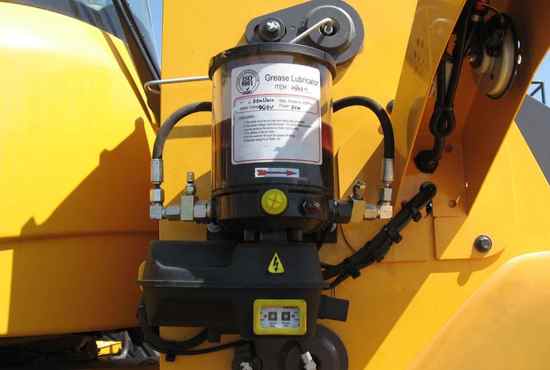
The CSK Lubricator is a multiple-outlet(Maximum up to 3) lubrication unit powered by an electric motor, suitable for use with progressive divider valve systems. This model comes with up to three separate pumping elements and can also be fitted with 24 VDC motors, making it ideal for mobile applications. It has an integral controller or can be managed through our internal timers

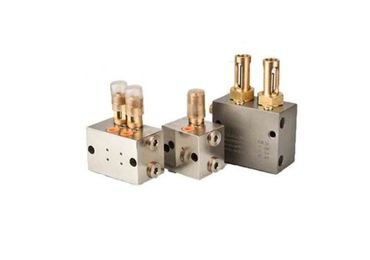
Mono Divider Valves are designed to precisely meter lubricant from 6 up to 20 separate outlets. Each Output is fixed at 0.17cc per cycle, you could increase output when needed by plugging the outlet. Cycle indicator pins offer visible verification of operations and can also be fitted with a switch to signal a system controller.

IsoHiTech provide the hose and couplings
Hose Parameter
O.D.9mm and I.D.4mm
O.D.11mm and I.D.6mm
Grease Nipple Size
Pt 1/8 and Pt 1/4
Related Products


Maintaining this equipment? See our heavy equipment lubrication systems — OEM-compatible, full specifications, fast quoting.
Comprehensive Guide to Feller Buncher Lubrication: Maximizing Performance and Longevity
Lubrication is key for feller bunchers. These powerful machines harvest trees in tough terrain and weather. Proper lubrication helps them run smoothly and last longer. This guide from heavy equipment maintenance experts explains why lubrication is important for feller bunchers. It compares manual and automatic lubrication systems. It also highlights key lubrication points and best practices. You’ll find tips for troubleshooting common issues. Finally, it explores future advancements in lubrication technologies and techniques. Using the latest feller buncher lubrication benefits forestry operations in several ways. It boosts productivity and reduces downtime. It also extends equipment life and improves operator safety. In the end, this all leads to better profits.
The Critical Importance of Proper Feller-Buncher Lubrication
Feller bunchers are essential for today’s forestry. They use strong hydraulic systems, advanced cutting heads, and tough undercarriages. This allows them to cut and gather trees quickly in challenging forest settings. These machines face tough conditions like dust, debris, moisture, and temperature changes. These factors stress their moving parts and joints. Over time, poor lubrication can cause faster wear and early failures. This can lead to unexpected downtime and even serious system breakdowns. Such issues threaten operator safety and can halt production at a high cost.
Proper lubrication is key to fighting the heavy wear and tear on feller bunchers. Lubricants perform several critical functions that preserve and protect vulnerable components:
- Reduce friction and wear between moving parts.
- Dissipate heat and regulate component temperatures.
- Seal out contaminants such as dust, dirt, and moisture.
- Prevent corrosion on exposed metal surfaces.
- Dampen shock and vibration to reduce mechanical stress.
High-quality lubricants for forestry create a lubricating film between surfaces. This keeps equipment in good shape, boosts performance, and improves efficiency. As a result, they help extend the life of these valuable investments. Proper lubrication can boost component life by over 30% and cut maintenance costs by 20-50%. These numbers show how much lubrication helps productivity and profits in forestry operations.
Key Lubrication Points on Feller Bunchers
Feller bunchers are complex machines. They have many friction points. To perform well and last long, they need regular lubrication. Most feller bunchers have key lubrication points. However, these can vary by make and model.
Boom System and Cutting Head
The boom and cutting head are crucial parts of a feller buncher. They reach, grab, cut, and bunch trees. Their articulation points, pivot pins, bushings, and cylinders move a lot. They work under high pressure and heavy loads. Insufficient lubrication can quickly lead to binding, premature wear, and reduced cutting performance. Key boom and head points include:
- Main boom pivot and cylinder pins.
- Stick boom pivot and cylinder pins
- Attachment group pivots and cylinders.
- Harvesting/processing head pivots, pins, and bushings.
- Saw bar, chain, and holder lube points.
- Rotator, tilt, and link pivots and bearings.
Hydraulic System
Feller bunchers have huge hydraulic systems. They power the drive motors and the cutting head. Hydraulic lubrication is key for pump, motor, valve, and cylinder efficiency. It also helps extend their lifespan. These components often work under high pressures and flow rates. Important service points include:
- Hydraulic oil reservoir and filter
- Pump drives and input shaft bearings
- Control valves and linkages
- Hydrostatic drive motor bearings and couplings
- Cylinder rod ends and pivots.
- Cooler and fan motor bearings and fins.
Undercarriage and Drivetrain
Feller bunchers, both track- and wheel-driven, face tough conditions. Their undercarriages and drivetrains endure a lot in rough forest terrain. Good lubrication of the chassis, suspension, and final drive is essential. It helps with tracking, tractive effort, and controllability. Key lube points include:
- Oscillation pins and bushings
- Track chain links, pins, bushings, and idlers
- Wheel bearings, kingpins, tie rod ends.
- Drive motors and final drives
- Axle differentials and planetaries.
- Steering cylinders and tie rod ends
Operator Cab and Controls
A feller buncher’s operator station has many parts that need lubrication. These pivots and linkages can cause friction. Regular lubrication helps ensure smooth control and comfort for the operator. Important grease points include:
- Cab tilt/level cylinder pins and pivots.
- Cab door hinges and latches
- Seat suspension, adjustment slides, and pivots.
- Pedal, joystick, and control lever linkages and pivots.
- Wiper motor gears and linkages
- HVAC fan motor and door bearings
Following the manufacturer’s service intervals is key. Use the right lubricants for each part. This approach helps you get the best value and keeps costs down for these costly assets. Frequency can vary. For punishing tasks like boom pivots, intervals may be 8 to 10 hours. For slower-wearing points that are more protected, intervals can exceed 250 hours.
Manual vs. Automatic Lubrication Systems
Traditionally, operators or service techs manually lubricated feller bunchers. They used grease guns to pump lubricant into each zerk and grease point. Manual lubrication is effective when done regularly with quality lubricants. However, it has some significant downsides:
- Inconsistent coverage as easy-to-reach points get over-lubricated while hard-to-access spots are missed.
- Higher grease consumption and costs occur as operators over-apply to compensate.
- Increased downtime to perform daily or shift-level manual services.
- As technicians work near hot, moving, or high-pressure equipment, there are potential safety risks.
- Human error in using incorrect or contaminated lubricants.
Due to these issues, automatic lubrication or auto-lube systems are now more popular in feller buncher applications. These systems have a central pump and control unit. They precisely deliver grease or oil to important points using supply lines. This setup keeps the entire machine lubricated. It can do this constantly or at certain intervals while it runs. Key benefits include:
- Consistent, optimal lubricant application to all points at all times.
- Longer component life through continuous, on-demand lubrication.
- Reduced lubricant consumption and waste for lower operating costs.
- Decreased planned downtime as manual lube PMs are eliminated.
- Improved safety, as technicians no longer need to access lube points near hazards.
- Greater retention of skilled operators who avoid dirty, unpleasant manual greasing.
Switching to an automatic lubrication system can boost feller buncher uptime by 30 minutes daily. It also reduces emergency downtime from lubrication failures. These benefits boost productivity and improve profits. Many systems pay for themselves in less than a year. This is especially true for machines that work in high-production settings. Manual lubrication works well with proper care, but more machines are moving to automatic systems. These systems offer better maintenance, easier operation, and cost savings.
Common Feller Buncher Lubrication Issues and Troubleshooting
Feller bunchers can still have lubrication issues. This happens even with automatic systems and regular upkeep. These issues can affect their performance and uptime. Some common problems, warning signs, and troubleshooting steps include:
Clogged grease zerks/fittings:
Dirty grease points can block lubricant from getting to important surfaces. Warning signs are lubricant buildup around fittings or no grease when purging. To address this, clean zerk heads and apply fresh grease until the old grease is fully purged.
Contaminated lubricant:
Moisture, dirt, or debris in lubricants can speed up wear instead of stopping it. Indicators include a milky appearance, gritty texture, or visible contaminants. To rectify, flush lines and replace them with clean, specified lubricant. Use sealed storage containers and funnels when handling.
Improper lubricant selection:
Using the wrong lubricant type or grade can cause problems. It might lead to poor protection, clogged lines, or even damage to components. Symptoms include unusual noise, heat, visible wear, or frequent component failures. Always check the manufacturer’s advice. Use only top-quality lubricants made for forestry to get the best results.
Insufficient lubricant:
Under-lubricated components will experience accelerated wear and heat buildup. Signs include squeaking or grinding noises, elevated operating temperatures, and visible damage. Confirm auto-lube reservoir levels and system function. Verify that proper lubricant quantities are applied at the correct intervals for manual systems.
Automatic lube system malfunctions:
Automatic lubrication systems can have problems such as clogs, air pockets, cracked lines, or faulty metering. These problems can happen because of extreme temperatures, moisture, or debris. Reduced pump output and a lack of grease at points can result.
- Perform visual inspections.
- Check screens and filters.
- Monitor pressure.
- Consider annual dealer servicing to keep the system in top shape.
It is crucial to find and fix lubrication problems quickly. You can do this by inspecting, monitoring, and performing preventive maintenance. This helps avoid expensive damage and unplanned downtime. Train all operators and technicians on proper lubrication and troubleshooting practices.
Feller Buncher Lubrication Advancements and Future Trends
Feller buncher designs are changing to fit modern forestry needs. So, lubrication systems are improving, too. These advancements aim to boost performance, enhance protection, and lower costs. Some of the latest developments and trends in feller buncher lubrication include:
Improved Auto-Lube System Monitoring and Control:
Next-gen automatic lubrication systems come with built-in sensors. They log data in real time and use telematics. This gives instant feedback on performance, lubricant use, and maintenance alerts. You can access all this info in the cab or from afar. This allows potential problems to be identified and corrected long before failure.
Biodegradable, environmentally friendly lubricants:
As industries focus more on sustainability, new biodegradable feller-buncher lubricants are appearing. They perform like petroleum-based products, but they are much safer for the environment. Expect to see wider adoption as costs decrease and regulations tighten.
Extreme-Condition Synthetic Lubricants:
New synthetic oils for chainsaws, gear, and extreme-pressure greases provide excellent protection and performance. They work well in wide temperature ranges and tough conditions. They are ideal for feller bunchers in harsh climates and debris-filled areas. Their stability and longer change intervals can also significantly reduce costs.
OEM/Dealer Remote Monitoring and Support:
Some manufacturers now provide remote monitoring and diagnostic support. This is for feller buncher automatic lube systems included in telematics services. This provides real-time alerts, updates over the air, and video troubleshooting. These features help cut down on diagnosis and repair time. Expect this trend to increase as connectivity improves.
Automated Maintenance Scheduling and Tracking:
More forestry companies now use fleet management software and mobile apps. These tools help track feller buncher lube PMs and component wear automatically. They rely on real-world data instead of fixed intervals. This helps improve PM timing, cut waste, and stop over-service. These are key strategies to lower total costs.
Forestry experts can improve feller buncher reliability and productivity. They just need to stay current on lubrication advancements. Using these insights well can boost efficiency and profits for years to come. The benefits are simply too compelling to ignore in an increasingly competitive industry.
Conclusion
This guide explains why feller bunchers need proper lubrication. It also shares tips to help these machines work better and last longer. Forestry companies can increase uptime, productivity, safety, and profits by selecting quality lubricants, using automatic lubrication systems, and keeping up with regular maintenance. Also, using condition monitoring technologies helps enhance their operations.
Smart feller buncher lubrication will set industry leaders apart as forestry technology improves. The potential impact is simply too great to overlook. Modern logging can support sustainable forest products by keeping key machines running smoothly. This method lets them work safely, efficiently, and profitably. Everyone can celebrate this!
Frequently Asked Questions
Proper lubrication is essential for feller bunchers to reduce friction, prevent wear, and ensure optimal performance of components like the boom, saw head, hydraulic system, and undercarriage. It helps extend equipment life, minimize downtime, and reduce maintenance costs.
The main lubrication points on a feller buncher include the boom pivot points, saw head components, hydraulic system, articulation joints, and undercarriage (tracks or wheels). Each area has specific lubrication requirements outlined in the manufacturer’s maintenance manual.
Lubrication intervals vary based on the specific component and operating conditions. Generally, high-stress points like boom and saw head pivots require daily greasing, while other areas may be lubricated weekly or monthly. Always follow the manufacturer’s recommended lubrication schedule.
Manual lubrication involves applying grease to each point individually using a grease gun, which can be time-consuming and inconsistent. Automatic lubrication systems deliver precise amounts of lubricant to multiple points continuously while the machine is operating, saving time and providing better coverage.
Yes, automatic lubrication systems offer a strong return on investment by extending component life, reducing planned and unplanned downtime, saving labor costs, and improving safety. Most systems pay for themselves within a year through improved productivity and reduced repair expenses.
Use only high-quality, forestry-specific lubricants that meet the manufacturer’s specifications for each application point. This may include specialized greases for high-temp, high-load applications, as well as biodegradable and synthetic options for enhanced performance and sustainability.
Signs of insufficient lubrication include unusual noises (squeaking, grinding, knocking), excessive heat buildup, visible wear or damage to components, and frequent breakdowns. Catching these symptoms early through regular inspections is key to preventing major failures.
If you notice any signs of lubrication issues, stop operating the machine and investigate immediately. Check grease points for blockages, inspect lines for cracks or leaks, and verify proper function of auto-lube systems. Consult your dealer or a qualified technician for assistance with diagnosis and repair.
While any compatible grease gun can work, using a high-quality, professional-grade gun with flexible hoses and precision fittings will make the job faster, cleaner, and more effective. For hard-to-reach points, a pistol-grip or battery-powered gun can be especially helpful.