




Why Forklifts Need Lubrication?
A system that automatically lubricates forklifts can extend their life and prevent them from shutting down prematurely. By applying grease to critical points during operation, contaminants are prevented from entering the system, resulting in long-term performance. When your equipment is preserved and your workforce is safeguarded, you save time and money on repairs. Manual labor is not required, ensuring safety during operations.
ARE YOU LOOKING FOR AN AUTOMATED LUBE SYSTEM?
- Greasing every point on the wheel loader prevents dust and dirt from entering worn surfaces while it is in operation.
- As hard-to-reach lubrication points can be serviced without crawling under or over equipment, there is increased safety.
- By decreasing wear on vital components, an automatic lubrication system improves equipment life.
- With a payback often within the first year, fleets can gain 30 minutes or more of operating time per day.
- LUBRICATION SYSTEM
- Grease Pump
- Progressive Distributor
- Hose

IsoHiTech could provide the complete kit.IsoHiTech also provide the OEM Service for well-known brand in the world
1. Grease Pump
2. Progressive Distributor
3. Hose and fittings
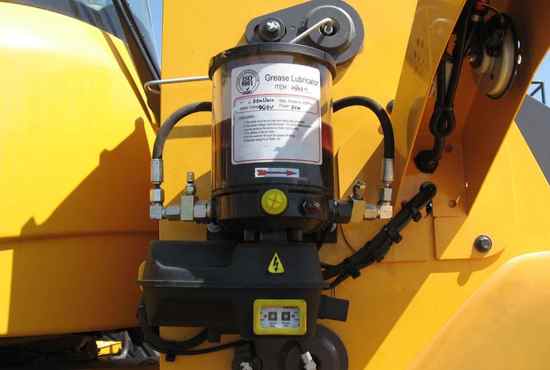
The CSK Lubricator is a multiple-outlet(Maximum up to 3) lubrication unit powered by an electric motor, suitable for use with progressive divider valve systems. This model comes with up to three separate pumping elements and can also be fitted with 24 VDC motors, making it ideal for mobile applications. It has an integral controller or can be managed through our internal timers

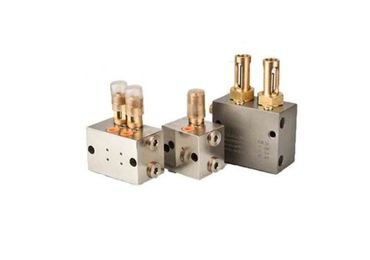
Mono Divider Valves are designed to precisely meter lubricant from 6 up to 20 separate outlets. Each Output is fixed at 0.17cc per cycle, you could increase output when needed by plugging the outlet. Cycle indicator pins offer visible verification of operations and can also be fitted with a switch to signal a system controller.

IsoHiTech provide the hose and couplings
Hose Parameter
O.D.9mm and I.D.4mm
O.D.11mm and I.D.6mm
Grease Nipple Size
Pt 1/8 and Pt 1/4
Related Products


Forklifts in a Wider Fleet
If you maintain forklifts alongside excavators and other construction machinery, see our construction equipment lubrication guide and the grease selection guide for heavy equipment.
Comprehensive Guide to Forklift Lubrication: Maintenance, Best Practices, and Troubleshooting
Introduction
Proper lubrication is key to forklift maintenance, yet it is often ignored. A good lubrication program can greatly extend equipment life, cut down on unexpected downtime, and improve operational safety. This guide highlights the main principles, practices, and tips for troubleshooting forklift lubrication. It helps warehouse managers and maintenance techs set up good lubrication routines, which protect valuable equipment and boost operational efficiency.
Understanding Forklift Lubrication Fundamentals
Lubrication serves as the foundational element in maintaining forklift functionality and longevity. Lubrication is about putting a thin layer of liquid or semi-fluid on surfaces. This helps reduce friction between moving parts. This reduction in friction is key. It helps prevent wear and tear on forklift parts that move constantly under heavy loads. Effective lubrication works by forming a protective barrier. This barrier prevents metal surfaces from touching. If they touch, they can get damaged quickly.
Types of Friction in Forklift Operations
Forklifts face different types of friction while working. There’s sliding friction when parts rub against each other. Then, there’s rolling friction in the bearings and wheels. Lastly, boundary friction happens when lubricant films get too thin. Each type requires specific lubricant properties to protect equipment adequately. Without proper lubrication, friction creates too much heat. This speeds up wear on parts and can cause equipment to fail early. Warehouses and manufacturing facilities have tough conditions. These environments cause more wear and tear. So, lubrication is key to keeping machines running smoothly.
Relationship Between Lubrication and Component Lifespan
The relationship between lubrication and component lifespan is direct and significant. Lubricated forklift parts wear less, which means fewer repairs, lower maintenance costs, and longer service intervals. This preventative approach to equipment care saves money and avoids the chain reaction of component failure. When one part wears out, it can harm others nearby, damaging more parts, raising repair costs, and increasing downtime.
Essential Lubricants for Forklifts
Forklift operation requires different types of lubricants, each made for specific machine parts. Choosing the right lubricants and using them properly helps protect forklift parts and improve their performance.
Hydraulic Oils
Hydraulic oils are the most important lubricants for forklifts. They power the lifting mechanisms, which are key to how forklifts work. These special fluids do two main jobs. They send power in the hydraulic system. They also lubricate pumps, valves, and cylinders. Hydraulic fluid does many important jobs at once. It cuts friction between moving parts. It stops wear and tear. It also carries heat away from key areas and protects against rust and oxidation. Choosing the right hydraulic fluid is very important. Using the wrong fluid can cause system failure, damage parts, and even create unsafe conditions.
Greases
Greases are a key type of forklift lubricant. They are crucial for areas that bear heavy loads, face high pressure, or where liquid lubricants can’t stay. Use high-quality lithium-based greases for forklifts. They work well in bearings, pivot points, and other mechanical parts. These greases stick well to metal surfaces. They also protect against water and corrosion. This makes them perfect for tough environments where forklifts work.
Synthetic vs. Petroleum-Based Lubricants
The market offers several lubricant categories worth understanding when maintaining a forklift fleet. Synthetic lubricants are made from man-made molecular chains designed for better performance. They provide great stability in extreme temperatures. They also offer better lubricity than regular options. Synthetic formulations may be pricier, but they last longer and offer better protection. Petroleum-based lubricants are often a cost-effective choice. They can perform well in many applications if formulated with the right additives. In high fire risk areas, water-based fluids are less flammable. However, they usually cost more and may not work well with some seal materials.
Which Grades: Grease and Oil Specs for Forklifts
Forklift greasing follows the same logic as other plant equipment. For most chassis points — mast channels, carriage and lift chains’ sheaves, kingpins, tilt cylinders — an NLGI 2 multipurpose EP grease is the standard call (EP = extreme-pressure additives for the heavily loaded pins and bushings under a lifting load). Where the OEM approves it, a moly-fortified version adds solid-lubricant protection on the highest-load points. Always defer to the operator manual’s grease chart for your model.
Lift chains themselves are oil-lubricated, not greased: apply chain oil (a tacky, penetrating lubricant) along the chain and let it soak, wiping the excess. This is the single most skipped lubrication task on a forklift and directly drives chain stretch. Check chain stretch against the manual’ limits at every inspection.
Key Forklift Lubrication Points
Effective forklift maintenance requires comprehensive attention to numerous lubrication points throughout the machine. Regular checks and servicing of these key areas keep things running smoothly and prevent parts from failing too soon. Lubrication needs a systematic approach. It should cover all key parts based on manufacturer guidelines.
Mast Assembly
The mast assembly represents one of the most crucial areas requiring regular lubrication. This mechanism has many moving parts. They allow the forklift to lift and lower loads. Key lubrication points are the lifting chains. They carry heavy loads, so they need to be greased well. This prevents wear and possible failure. Chain pulleys also need regular lubrication. This keeps them running smoothly and prevents binding when handling loads. The upper and lower carriage bearings help the forks move up and down. They need proper lubrication to position loads accurately. This also stops metal-on-metal contact, which can cause wear. Lower mast bearings also need regular care to work well under heavy loads.
Steering System
The steering system has key lubrication points. These points affect control and safety for the operator. Grease the steer links and kingpins until the old lubricant comes out. This shows that fresh grease has fully penetrated the parts. Wipe away extra grease from the steer-axle mount pivot pins. This stops dirt and debris from contaminating the area. These parts face constant stress while working. So, regular lubrication is key. It helps keep steering responsive and avoids sudden failures.
Drivetrain Components
The drivetrain assembly has important lubrication points. These points help transmit power from the engine or motor to the wheels. U-joints and slip yokes on the drive shaft need careful attention. Always follow safety practices during maintenance since they are under the unit. Lubricating these parts reduces vibration, lowers noise, and ensures smooth power flow during use.
Forks and Carriage
The forks themselves represent another critical lubrication area often overlooked during routine maintenance. Lubricate both the upper and lower fork bars. This cuts down friction when moving loads. Some fork designs have grease fittings at the top. These need the right lubricant as per the manufacturer’s guidelines. Lubricating these parts regularly helps reduce operator fatigue and prevents early wear of the fork carriage assembly.
Greasing the Forks and Carriage
Searches for best grease for forklift forks usually mean the carriage area, not the fork blades themselves: the tines are solid steel and take no grease. What does take grease in that zone are the carriage mounting bars, the mast channels the carriage rides on, and the lift-chain sheaves — the sliding and rolling surfaces that carry the load. An NLGI 2 EP multipurpose grease is the standard call for these points, per the operator manual. And keep grease off the fork blades themselves: a greasy fork face drops pallets.
Best Practices for Forklift Lubrication
To use lubrication well, follow the manufacturer’s guidelines and industry best practices. Using established protocols protects components and improves maintenance efficiency.
Establishing a Regular Lubrication Schedule
Following a regular lubrication schedule is the most important practice for forklift maintenance. Manufacturers recommend greasing forklifts every week. This method helps reduce downtime and avoid expensive repairs. It also ensures all parts receive fresh lubricant before wear begins, greatly extending the machine’s service life. Keeping records of maintenance tasks ensures accountability. It also helps spot possible issues before equipment fails.
Proper Application Techniques
Technicians must use the right application techniques for each lubricant and component, which means they must know the specific requirements for every lubrication point. Technicians should apply grease to steer links until fresh grease pushes out the old lubricant. This method fully removes contaminated grease, which, if not addressed, can speed up wear. After applying grease, carefully remove any excess. This helps stop dirt and debris from sticking, which can add harmful particles to the component.
Following Manufacturer Specifications
Following manufacturer specifications for lubricant selection represents another critical best practice. Each forklift has requirements in the owner’s manual, which shows the right lubricant types for different systems. Many maintenance experts suggest choosing products that go beyond the minimum specs. This gives extra protection, especially in tough situations. This method might cost more at first, but it usually brings big benefits. It extends the life of components and cuts downtime.
Proper Lubricant Transition Practices
When switching lubricants, purging old products is key. This step helps avoid compatibility problems that might harm component protection. Some grease formulations have thickeners or additives that don’t mix well. Combined, they can cause problems like separation, hardening, or loss of lubrication. Remove the old lubricant before adding a new one. This step helps ensure top performance. It also prevents quick wear on parts from poor lubrication.
Common Forklift Lubrication Problems and Solutions
Even with regular maintenance, forklifts can have lubrication issues. These problems need troubleshooting and fixing. Finding these issues early lets us act fast, preventing small problems from becoming big repairs or safety risks.
Hydraulic System Failures
Hydraulic system failures are a common and serious issue in forklift lubrication. Oil leaks can happen due to damaged hoses, bad seals, or worn parts. They need quick action to avoid system damage and protect the environment. Technicians need to inspect the whole hydraulic system. They should look for leaks and replace any damaged parts. Also, they must ensure all connections are sealed properly. Loss of hydraulic pressure can mean lubrication issues. These often come from faulty control valves or low fluid levels. A thorough system check looks at pumps, relief valves, and hoses. This helps find issues that need fixing.
Insufficient Lubrication
Insufficient lubrication shows clear warning signs, which help alert careful operators to potential issues. Unusual noises from bearings, chains, or hydraulic pumps often mean they need lubrication, which can cause metal to rub against metal. Slow operation in lifting or steering systems shows lubrication problems, which need quick action. Check for dry or discolored parts. This shows that the lubricant has worn out or leaked. Clean these areas well and apply the right products again.
Lubricant Contamination
Contamination is a common lubrication issue. It often happens in dusty places, like warehouses and factories. Debris in the hydraulic filter can block fluid flow, which may cause overheating and misalignment in the lift carriage. Inspecting and cleaning filters regularly gets rid of built-up dirt, helping prevent damage to the system. Tiny particles from maintenance can speed up wear by making the lubricant abrasive. This shows why clean maintenance and proper lubricant storage are crucial.
Over-Lubrication Issues
Over-lubrication, though less commonly recognized, can cause significant issues in forklift operations. Too much grease makes a buildup that collects dirt and debris. This forms a paste that slows down movement instead of helping it. This condition can make parts bind or work strangely. This may create safety risks while in use. Training maintenance staff on the right lubricant amounts and how to apply them helps avoid problems. It also ensures better protection for components.
Benefits of Proper Forklift Lubrication
Implementing comprehensive lubrication practices offers many benefits. These go beyond basic maintenance and provide both operational and financial gains for the whole organization. Knowing these benefits shows why resources for lubrication programs are worth it. They also prove a strong return on investment.
Reduced Wear and Extended Component Life
Proper lubrication reduces friction and wear, helping equipment last longer and run reliably. Lubricants create protective films between moving metal parts, preventing micro-welding and tearing during metal-to-metal contact. As a result, component wear rates drop significantly. This key protection covers all lubricated systems, including hydraulic pumps, chains, bearings, and gears. It helps maintain steady performance for each part during its expected service life.
Improved Operational Performance
Improved performance manifests through smoother operation across all forklift systems. Lubricated parts move smoothly. They need less energy to do the same work and produce less heat while operating. This efficiency leads to better controls. It allows for precise load handling and reduces operator fatigue during long shifts. The combined effect boosts productivity and eases the pressure on equipment and staff.
Cost Savings Through Reduced Maintenance
Comprehensive lubrication practices result in significant cost savings through several mechanisms. Well-lubricated parts wear down much less, which means they last longer and cost less to replace. Preventing catastrophic failures saves money on emergency repairs. It also prevents unplanned downtime. This keeps operations running smoothly and eases pressure on maintenance resources. Energy costs also drop a bit because equipment runs better. This happens with less friction in mechanical systems.
Enhanced Workplace Safety
Enhanced safety represents perhaps the most valuable benefit of proper lubrication practices. Forklifts in good shape react well to operator commands. They lift steadily and break down less often. These traits lower the chance of equipment failure accidents, keeping people and materials safe. Safety improvements help meet regulations and build a culture of quality and care in the organization.
Advanced Lubrication Technologies and Innovations
Forklift lubrication is changing. New technology improves maintenance efficiency and protects components. Knowing these innovations helps organizations use best practices, boosting equipment reliability and improving operations.
Synthetic Lubricant Formulations
Synthetic lubricants are a major recent advance. They perform better than regular petroleum-based products. These engineered lubricants stay stable in extreme temperatures and protect well, even during cold starts or high-heat operations. Their carefully crafted molecular structure improves lubricity. It also resists oxidation and breakdown, extending service intervals and reducing consumption. These advanced formulations usually cost more, but they offer great value. They last longer and protect components better.
Automatic Lubrication Systems
Automatic lubrication systems deliver constant, accurate lubrication to key parts, eliminating the inconsistencies that come with manual maintenance. These systems provide precise amounts of lubricant at set times, so parts get the best protection without needing people to help. The right consistency stops under-lubrication, which speeds up wear. It also prevents over-lubrication, which wastes resources and brings in dirt. These systems need an initial investment. However, they often provide great returns. You can save money on maintenance costs. They also help equipment last longer and reduce lubrication-related failures.
Condition Monitoring Technologies
Condition monitoring technologies help with predictive maintenance. They enhance lubrication by addressing actual equipment needs, not just sticking to schedules. Oil analysis programs check lubricant samples for dirt, wear particles, and chemical changes. These signs can show problems before they lead to component failure. Vibration analysis checks for changes in how equipment runs. These changes can show lubrication problems that need fixing. These technologies help maintenance teams fix problems early. This stops issues from growing into bigger and more expensive failures.
Environmental Considerations
Environmental considerations increasingly influence lubrication practices as organizations pursue sustainability goals. Renewable-source biodegradable lubricants are better for the environment than petroleum-based ones, which is especially important in places where leaks or spills can happen. Extended-life formulations similarly reduce consumption and waste generation while maintaining equipment protection. Eco-friendly choices help organizations reduce their environmental impact without losing maintenance quality or equipment reliability.
Conclusion
Proper forklift lubrication is key to good equipment maintenance. It brings big benefits for operations, finances, and safety. This guide offers clear practices for lubrication programs. They help you gain benefits and avoid expensive failures or unexpected downtime.
Frequently Asked Questions
Manufacturers generally recommend lubricating forklifts weekly. The lubrication interval varies by forklift model, usage frequency, and work environment. Always consult your forklift’s manual for the recommended lubrication schedule.
The key lubrication points on a forklift are:
- Mast assembly: chains, pulleys, and bearings.
- Steering system: steer links, kingpins, and pivot points
- Drivetrain components: U-joints and slip yokes
- Forks and carriage
The main types of lubricants used in forklifts are hydraulic oils, greases, and gear oils. Hydraulic oils power the hydraulic system. Greases are for bearings and pivot points. Gear oils are used in the transmission. Always use lubricants that meet or exceed the manufacturer’s specifications.
When you apply grease, keep going until you see fresh grease oozing out of the part. For oil, follow the manufacturer’s recommended fill levels. Check often for signs of over-lubrication, like excess grease or oil leaks. Also, look for under-lubrication, which shows up as dry or worn parts.
No, different components require specific lubricants. Hydraulic oil can’t lubricate bearings. Also, grease shouldn’t be used in the hydraulic system. Always use the appropriate lubricant for each component as specified by the manufacturer.
Poor lubrication can cause more wear, shorter component life, and lower performance. It can also increase energy use and create safety risks if equipment fails. It can also result in costly repairs and unplanned downtime.
Improper lubrication can show several signs. You might hear unusual noises like squeaking, grinding, or whining. You could also see visible wear on parts. Other signs include reduced performance, leaks, and overheating. Regular inspections can help identify lubrication issues before they cause significant damage.
Synthetic lubricants have many benefits compared to regular mineral-based ones. They perform better in extreme temperatures, last longer, and improve energy efficiency. Plus, they offer better protection against wear and corrosion.
Store lubricants in a clean, dry, and cool area away from direct sunlight, heat, and moisture. Keep containers sealed when not in use to prevent contamination. Use clean, designated equipment for handling and applying lubricants to avoid introducing contaminants.
If you think there’s a lubrication problem, check your forklift’s manual for help. Inspect the affected component for signs of wear, damage, or leaks. If the problem persists, contact a qualified forklift technician for further assistance.
Common mistakes are:
- Using the wrong lubricant type.
- Over-lubricating or under-lubricating parts.
- Not cleaning the area before applying lubricant.
- Ignoring the manufacturer’s lubrication schedule or procedures.
Proper lubrication keeps key safety parts working well. This includes brakes, steering systems, and hydraulic controls. It reduces the risk of equipment failure and potential accidents caused by worn or damaged parts.
Common lubrication-related issues include leaks, contamination, and component wear. To troubleshoot, start by finding the affected part. Then, check your forklift’s manual for help. Check the component for damage. Make sure you use the right lubricant. Also, look for any obstructions or contamination. If the issue persists, consult a qualified forklift technician for further assistance.