



Why Choose IsoHiTech Lubrication Oil Pump?
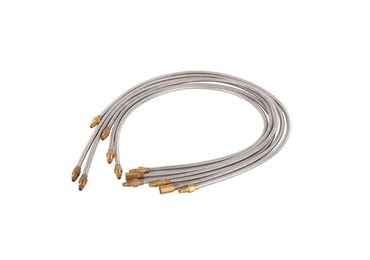
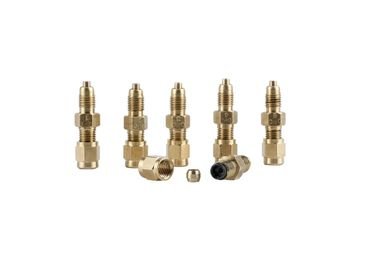
IsoHiTech has a workshop. We have various reservoirs. We can provide a hand or electric lubrication oil pump. IsoHiTech also provides lubrication fittings or couplings with a one-stop service. IsoHiTech could provide the lubrication solution to keep your equipment working smoothly.
The Features Of The IsoHiTech Oil Pump
The IsoHiTech oil pump has a pressure switch and a level switch. They monitor the pressure and oil level in the reservoir. IsoHiTech can be delivered from 20# oil to NLGI000 grease. Our distributors could fix the switch. It would signal the lubrication oil pump to alarm the operating system.


IsoHiTech Oil Pump Application
The Lubrication Oil Pump lubricates bearings, pins, bushings, chains, and spindles. IsoHiTech’s pump is used in industrial toolings and CNC machining.

L Series Lubrication Oil Pump is a manual pump and is widely used in small machinery. It could work with 32#-250# oil. The pressure is 0.3Mpa and discharge is from 2ml to 7ml per cycle. The reservoir is 0.5L and the outlet is suitable for a 4mm pipe. The pump could work with metering units.

This pump is a manual, piston-driven lubrication oil pump. It can reach a maximum pressure of 2Mpa and a discharge of 8 ml per stroke. IsoHiTech recommends a maximum of 30 points for small systems. Two reservoirs can be options, which are 350 ml and 500 ml. The outlet pipe is 4 mm and 6 mm. It works in the SLR system and PDI system.

IsoHiTech’s electric lube oil pump has a 2 kg reservoir. It has a max working pressure of 4 MPa. IsoHiTech could provide DC 24V, AC 110V, and AC 230V power. The discharge is 110 ml per minute. It could work with the oil from #20 to #2000 soft grease. The pump has a pressure and level switch. It works with the metering unit and injectors.

The IsoHiTech 3kG Lubrication oil pump is a gear, motor-driven type. The reservoir is 3L and the discharge is 108ml/min. The rated pressure is 2.5MPa, and the Maximum could reach 4MPa. The 3kg oil lubrication pump could work with an internal timer and work in the SLR or the PDI system.

4Kg Lubrication Oil Pump is very popular for medium-sized equipment. It could work with the SLR system and PDI system. Sometimes, the 4kg oil pump could work as a small lube system. IsoHiTech choice 30W motor and discharge is 210ml/min. A good quality timer has 4 modes that could be a choice.

The BBZ trochoid pump assembly includes a motor, a trochoid pump, and a relief valve. This Electrical Lubrication Oil Pump is for low-pressure, continuous, and intermittent use. It supplies lubrication oil. The pressure range is 0.1Mpa to 0.4Mpa. IsoHiTech has options for 1.4L/min, 2.4L/min, 3.5L/min, 4.5L/min, and 7L/min. The outlet and inlet options are Rc1/8, Rc1/4, and Rc3/8.
We also provide
Lubrication Oil Pump Hub: Products, Systems & Selection
A lubrication oil pump moves fluid oil from a reservoir into piping, metering devices, or mist headers so bearings, guides, chains, and spindles receive clean, metered lubricant on schedule. This page is IsoHiTech’s oil pump product hub—manual and electric models for centralized routes—not a general encyclopedia of industrial pump hydraulics.
For deep dives on pump principles (gear vs vane vs centrifugal in plant service), read our types of oil pumps in lubrication systems and industrial oil pumps guide. Below: how IsoHiTech oil pumps fit real lubrication system architectures.
Which system architecture needs an oil pump?
| System type | Typical pump role | IsoHiTech starting points |
|---|---|---|
| Single-line resistive (SLR) | Periodic pressure pulses; restrictive metering | Hand oil pump, 2 kg electric pump, 4 kg pump |
| PDI / injector (oil) | Higher pressure shots to positive-displacement injectors | Y8 high-pressure hand pump, 3–4 kg electric skids |
| Circulation / machine-tool sump | Continuous low-pressure return to tank | BBZ trochoid pump, vertical motor pump |
| Oil mist | Atomization at central generator—not the same as a transfer pump | Oil mist lubrication systems |
IsoHiTech oil pump families on this page
Manual pumps (no electrical supply at the machine)
- L / 205 series hand pumps — Hand lubrication oil pump: 0.32–0.4 MPa, ISO VG 22–220, 0.5–2 L tanks, ideal for weekly PM on presses and conveyors.
- Y8 high-pressure hand pump — Up to ~2 MPa for PDI and compact SLR networks (see model grid above).
Electric centralized skids (2–4 kg class)
- 2 kg electromagnetic / gear skids — 2 kg lubrication oil pump: CNC way-lube and small automatic routes; timer and level options.
- 3 kg gear pump — 2.5 MPa rated, ~108 ml/min; see product page 3 kg electric oil pump.
- 4 kg centralized pump — 4 kg lubrication oil pump: ~210 ml/min, popular for medium equipment SLR/PDI.
Circulation & vertical tank units
- BBZ trochoid assemblies — Low-pressure continuous/intermittent oil circulation for machine tools (0.1–0.4 MPa, 1.4–7 L/min class).
- DCD vertical motor pumps — 3–9 L metal tanks, higher flow circulation and PLC-friendly control.
Oil pump vs grease pump — do not mix on one hub card
Fluid oil (ISO VG grades) and NLGI grease need different pump geometries and seals. A grease pump marketed for NLGI #0–#2 will not reliably meter ISO VG 68 way oil. If your route is grease, start at the grease pump hub; if it is oil mist, use the oil mist system page.
Quick selection checklist
- Fluid — Confirm ISO VG range (typically 32–220 for way lube; verify OEM).
- Architecture — SLR, PDI, circulation, or mist (mist uses a generator, not a transfer pump).
- Points & line length — Hand pumps suit low point counts; electric skids for timed automatic cycles.
- Pressure — SLR often <1 MPa; PDI and long lines may need 2–4 MPa class electric units.
- Power — DC 12/24 V mobile, AC 110/220/380 V fixed plant.
- Accessories — Metering units, nylon pipe, filtration, pressure/level switches.
Maintenance essentials
Keep reservoir breathers clean, respect filter micron ratings, and match oil viscosity to ambient temperature. Watch for air ingestion (foaming), stuck injectors on PDI lines, and low-level run-dry on electric pumps—use level switches where the OEM allows. For filtration intervals and cleanliness targets, see the oil filtration guide.
Sizing the Pump: Flow and Pressure Rules
Two numbers size a centralized oil pump, and both come from the metering plan — not from the pump catalog:
- Flow (output per cycle): sum the metered volume of every metering unit or injector on the route, then add 20–30% margin. Example: 12 points × 0.1 cc per cycle = 1.2 cc demand; a pump delivering ~2 cc per stroke/cycle covers it with margin. Undersizing shows up as the last points on long lines receiving nothing.
- Pressure: the pump must overcome line friction + filter + metering device + fitting losses, with reserve. SLR routes with short 4 mm lines often run below 1 MPa; PDI injector networks and long 6 mm runs typically need 2–4 MPa class units. If the pump’s working pressure only equals the calculated loss, the system works on the bench and fails on the longest winter morning.
Cycle time follows machine load: CNC way-lube typically cycles every 15–60 minutes under production; press and conveyor routes often run hourly. Always leave a recharge gap between cycles — SLR metering units need depressurized time to refill their chambers, and back-to-back cycles starve them.
Installation Rules That Prevent Most Failures
- Route main lines rising, not falling. Downward runs trap air pockets that compress instead of transmitting pressure — the classic “pump runs, nothing moves” cause.
- Keep suction clean and flooded. A clogged suction strainer or a reservoir allowed to run low pulls air; foaming oil and erratic pressure follow. Fit the level switch where the OEM allows.
- Respect filter micron ratings. Metering units and injectors have orifices measured in tenths of a millimeter — unfiltered oil is the root cause of most “stuck injector” callbacks.
- Vent at commissioning. New lines are full of air; cycle the pump with the furthest metering point loosened until bubble-free oil appears.
- Match oil viscosity to ambient temperature. ISO VG 68 that flows beautifully at 25°C can starve a winter cold start; verify the pump’s rated viscosity band against your coldest morning, not the datasheet average.
Troubleshooting: Pump Runs but No Pressure
| Symptom | Most likely cause | Fix |
|---|---|---|
| Pump cycles, gauge shows nothing | Air in main line or empty reservoir | Vent at furthest point; refill and check level switch |
| Pressure builds then collapses | Relief valve bypassing or leaking fitting | Inspect relief setting; soap-test joints on the main line |
| Some points dry, others fine | Stuck metering unit / clogged injector | Exchange the metering nipple; review filtration micron rating |
| Oil foaming in reservoir | Air ingestion on suction side | Check suction strainer, line seals, and minimum oil level |
| Pressure only low on cold starts | Oil too viscous for ambient | Step down ISO VG grade for winter or fit a reservoir heater |
Related oil lubrication resources
Oil mist lubrication systems ·
Industrial oil pumps guide ·
Types of oil pumps in lubrication ·
Oil filtration guide ·
Single-line lubrication ·
Single-line vs dual-line
Before you buy: read our complete guide to grease pumps.
Guides & how-tos
- Complete Diaphragm Pump Guide: Technical Selection and Application Best Practices
- Understanding Petrol Pumps: A Comprehensive Guide
- Hydraulic Power Units: Essential Systems for Modern Machinery
Frequently Asked Questions
It stores oil and delivers pressurized flow to main lines, metering units, or injectors on a manual or timed cycle. The pump does not meter each bearing—that is done by metering units or injectors downstream.
Oil pumps handle fluid lubricants (ISO VG grades). Grease pumps displace NLGI semi-solid grease. Do not use a grease pump for way oil. Compare products on this hub vs the grease pump page.
Hand pumps suit infrequent lubrication, no power at the machine, or small SLR routes—see hand lubrication oil pump. Electric pumps (2–4 kg skids) suit automatic intervals and more points—see 2 kg and 4 kg models.
Most models on this page are specified for ISO VG 22–220 (way and circulating oils). Always confirm against the datasheet and OEM manual; heavy circulation units may accept wider ranges—see vertical motor pump specs.
Yes—many electric skids and the Y8 hand pump are rated for single-line resistive (SLR) and PDI/injector architectures. System design (line length, injector type) determines the required pressure class.
An oil mist system uses a mist generator and compressed air to atomize oil for bearings and motors. Transfer pumps on this page move liquid oil in piping—they are not mist generators.
Typical kit: main line and branch tubing, metering units or injectors, fittings, optional filtration, and pressure/level switches. IsoHiTech can supply matched components.
Sum the metered volume of every point per cycle and add 20–30% margin for flow; for pressure, add up line, filter, metering, and fitting losses and choose a pump with working pressure comfortably above the total. SLR routes with short lines often need under 1 MPa; PDI injector networks typically need 2–4 MPa. Set cycle time from machine load — 15–60 minutes for CNC way-lube is typical — and always leave a recharge gap between cycles.
The most common cause is air: an empty or low reservoir, a clogged suction strainer, or air trapped in a downward-routed main line. Vent the line at the furthest metering point until bubble-free oil appears. If pressure builds then collapses, inspect the relief valve and check for leaks; if only some points are dry, suspect a stuck metering unit and review filtration.