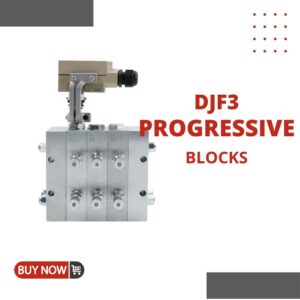
What an Oil Mist Block Does
An oil mist block is the distribution end of an oil mist lubrication system. A generator mixes oil with compressed air into a fine mist; one main header carries it to the block. The block divides this stream into equal portions across its outlets; feed lines deliver each portion to a condensing nozzle at a bearing housing, where the mist settles back into oil. Generator selection is covered on our oil mist pump page, and the full system layout in our oil mist system overview.
On the exhaust side, an optional mist separator collects escaped mist before the air returns to the plant. Where metered oil shots are needed instead of a continuous mist, air-oil injector blocks are an alternative from a different product family.
One boundary condition matters: mist only travels as far as the generator can push it. On long header runs the far-end pressure drops and far-end points starve. Confirm generator capacity for your header length before ordering; the block cannot compensate for a weak supply.
Specifications
| Feature | Details |
|---|---|
| Body material | Brass or stainless steel |
| Outlet count | 2, 4, 6, or 8 |
| Distribution | Equal division of the oil mist |
| Adjustment | Individual needle valves on some models |
| Inlet | Single main header into the block |
| Construction | Corrosion resistant |
Choosing Outlet Count and Material
Count the lubrication elements the block must serve and pick the matching outlet count. Installers typically leave 1-2 unused ports plugged so a future bearing can be added without header rework.
| Outlets | Suits |
|---|---|
| 2 | Small machine sets |
| 4 | Mid-size equipment |
| 6 | Rolling mill bearing clusters |
| 8 | Centralized multi-point distribution |
Needle valves, where fitted, balance resistance between feed lines of different lengths; they are a balancing aid, not a precision metering device, so start from equal division and adjust only to even out delivery.
Material follows the environment. Brass suits clean indoor machinery such as machine tools; stainless steel fits rolling mills with water mist and coolant splash. If unsure, send the bearing count and layout through our quote request page and we will confirm the configuration.
Typical Applications
Oil mist blocks serve rolling mill bearing clusters, machine tool spindles, high-speed rotating machinery, and general industrial bearings wherever several points share one mist supply. The block pairs with any generator sized for the total point count.
Frequently Asked Questions
What does an oil mist block do in a system, and how do I choose the outlet count?
The block is the distribution stage: a generator mixes oil with compressed air, one main header carries the mist to the block, and the block splits it into equal portions. Count the lubrication elements drawing from the same header, such as bearing housings and spindle noses, then match the outlet count.
Why choose mist lubrication instead of an oil bath?
A mist system consumes far less oil than a sump bath: only a thin film reaches each point instead of a flooded chamber. Positive pressure in the housings resists contaminant entry, and the continuous fresh oil film suits high-speed spindles that grease or baths handle poorly.
What are the needle valves on some models for?
They balance delivery between feed lines of different lengths. A long line resists flow more than a short one; the valve trims that gap. Treat them as a balancing aid, not a metering instrument: begin with equal division and adjust only to even out observed delivery.
How far can mist travel from the generator to the block?
As far as the generator can push it, and no further. On long runs the far-end pressure falls, the mist arrives lean, and the last points starve. Confirm generator capacity against total header length before layout; the block cannot compensate for a weak supply.
Should I choose a brass or a stainless steel body?
Brass suits clean indoor machinery, including most machine tools. Stainless steel fits rolling mills and similar equipment with water mist and coolant splash. Both bodies are built corrosion resistant; the choice is about the environment, not distribution performance.
Do I need a mist separator?
Only if escaped mist at the housings would cause a problem. The separator mounts on the exhaust side and collects mist before air returns to the plant. Many installations run without one; it earns its place in enclosed or clean-air environments.
How is a mist block different from an air-oil injector?
A mist block divides one continuous mist stream into equal portions. An air-oil injector meters discrete oil shots and belongs to a different product family. Applications needing shot-by-shot metering should look at injector-based systems instead.
Can I expand the system later?
Yes, within limits. Picking a larger block and typically leaving 1-2 ports plugged leaves room for added points. The generator cannot be expanded afterward: if added points push past its capacity, it must be replaced.
What information should I prepare before ordering?
Three items: the number of lubrication elements on one header, the distance from generator to farthest block, and the machine environment, including coolant splash or washdown exposure. With those, outlet count, body material, and generator capacity can be confirmed in one pass.
How do I contact the team and confirm a configuration?
IsoHiTech Lubrication Systems was founded in 2023, engineering since 2006. Send your bearing count, header layout, and environment details to inquiry@isohitech.com or through our configuration review page.