
Central Lubrication Systems - Complete Guide & Products
A central lubrication system feeds every bearing on a machine — or across a whole plant — from one pump station through a distribution network, replacing grease-gun rounds with metered, timed delivery. Paper machines, steel lines, crushers, packaging plants, and fleet depots all run on the same principle: one reservoir, one pump, measured lubricant at every point.
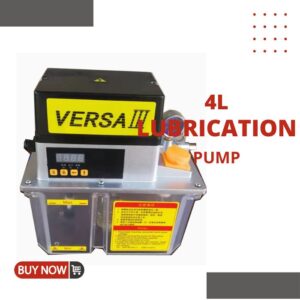
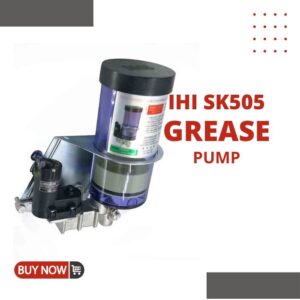
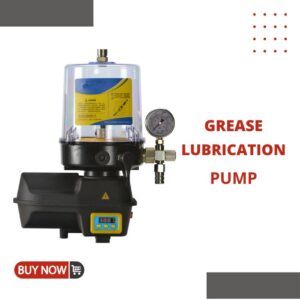
IsoHiTech supplies the parts that make up these systems for both grease and oil service: pumps from 24V DC chassis units to 40 MPa dual-line plants, progressive distributors and injectors, controllers, and the fittings and hose that connect it all. This category is the entry point — the sections below the grid route you to the right system family and components.
The Four System Families
| Family | How it works | Best for |
|---|---|---|
| Progressive | Pump output divides across metering sections in a fixed sequence; a blocked point halts the cycle visibly | Machines and mobile equipment, exact per-point metering |
| Single-line / SLR | One pressurized line charges injectors that discharge on pressure release | Large point counts over long distances, grease or oil |
| Dual-line | Two mains pressurized alternately, each feeding half the points | Plants with hundreds of points and long pipe runs |
| Single-point lubricators | Self-contained canisters, one per point, no lines at all | Isolated points and small machines |
The dual-line vs single-line vs progressive comparison and the central lubrication system design guide cover the trade-offs in depth.
System Components
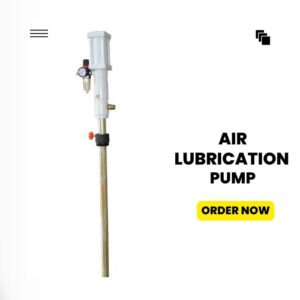
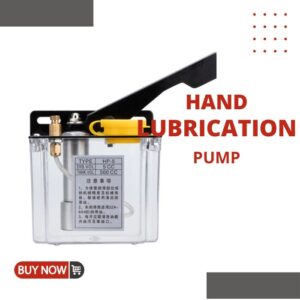
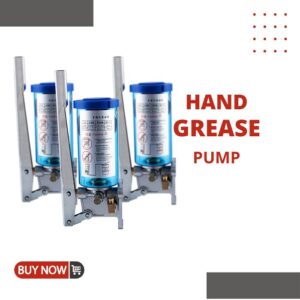
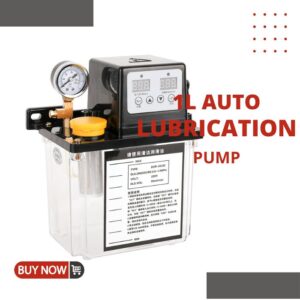
Every central system is built from the same four groups. Pumps: grease side in the grease pump category, oil side in the oil lubrication pump category — from 0.5L hand pumps to 100L electric stations. Distribution: progressive distributors, injectors, and dual-line feeder valves. Control: timers and lubrication controllers for intervals, alarms, and low-level signals. Connection: the lubrication fittings and hose that terminate every line at the bearing.
How to Choose a Central Lubrication System
| Selection factor | What to check |
|---|---|
| Lubricant | Grease for slower, sealed points; circulating oil for high-speed bearings — the two never share a circuit, so the pump and distributors differ from the start. |
| Points and spacing | Dense machine: progressive. Spread-out plant, hundreds of points: dual-line or single-line injectors. |
| Environment | Temperature swings and washdown affect reservoir heaters, enclosure ratings, and line protection — see the winter maintenance guide. |
| Control needs | Fixed-interval timers up to full controllers with run detection and fault alarms. |
| Expansion | Progressive blocks and injector rails extend point-by-point; dual-line adds feeder valves in pairs. |
Manual vs. Centralized: The Honest Trade
Manual greasing is a treadmill: a technician walks the machine with a gun, fitting by fitting, and every point depends on that walk happening on schedule. A central lubrication system replaces the walk with a network — one pump station feeds every point through lines and metering devices, on a timer or a controller. The gain is consistency: every bearing gets its measured dose on schedule, not when someone gets to it. The trade is engineering: lines to route, dividers or injectors to size, and a pump to maintain — this category exists to make that engineering straightforward.
Reading This Category
The products below are grouped the way systems are actually built. Pump units — electric, pneumatic, and hand — create flow; divider blocks and injectors meter it; fittings, hoses, and controllers complete the circuit. First-time buyers usually start from the machine count: a single CNC with a handful of points takes a compact electric unit with progressive dividers, while a press line or an excavator fleet takes higher-capacity pumps and dual-line distribution. If you are mapping the territory first, the lubrication pump hub explains the pump families, and the centralized lubrication systems overview walks the system types end to end.
Central Lubrication System FAQs
Centralized or centralised lubrication system — which is correct?
Both — US and UK spelling of the same thing. The engineering is identical: one pump station, a distribution network, metered delivery. Search either spelling and you land on the same systems.
How does a central grease system work?
The pump charges the network on a timed cycle; distributors or injectors divide the output so each bearing receives its metered dose; controllers watch pressure and reservoir level. The central lubrication system engineering guide walks through a full circuit.
Which system do paper mills use?
High-speed dryer and press-section bearings typically run on circulating oil systems; slower grease points such as forming-section and wood-yard equipment run on grease circuits — usually progressive or dual-line. Both sides of the mill are served from this catalog; for line sizing see the automatic lube systems guide.
What does a central lubrication system cost?
Cost tracks point count and pressure class: a handful of single-point lubricators is the low end, a 40 MPa dual-line plant with standby pump and controllers the high end. IsoHiTech quotes per installation — send the machine layout and point list through the contact page.
Can one system feed both grease and oil points?
No — grease and oil circuits stay separate because their pumps, distributors, and line sizing differ. A plant typically runs parallel systems, one per lubricant; the oil pump category covers the oil side.
Send your point list, lubricant, and machine layout — IsoHiTech will spec the system and quote the components.
- Sale!

- Sale!
- Sale!


- Sale!


- Sale!