


Grease Pump Fittings
Grease pump fittings are the parts on the outlet side: adapters that convert the pump or divider port to your line thread, closure plugs that seal outlets left unused, check valves that hold line pressure between cycles, tees that split one outlet into two, and the compression family that joins hard tube to the distribution side. The pump makes the pressure; these parts decide where it goes and whether it stays.
The compression range runs the full DIN 2353 / ISO 8434-1 24° cone practice — 6 to 42 mm in steel, brass and stainless, 100 to 800 bar — so a pump port can be matched to any tube size on the machine. Thread conversion between M10×1 and NPT is covered by adapters and swivels, and a dedicated thread-standards page sorts metric from imperial before you order.
Many of these parts also sit on the line fittings page, which follows joints along the run, and the hose fittings page, which covers hose ends. This page follows the pump side — everything between the outlet thread and the first stretch of line.
Fitting the Pump Outlet
| Job at the outlet | Part | Why it matters |
|---|---|---|
| Convert the port thread | Outlet adapter, 1/4 NPT swivel | M10×1 and NPT do not interchange |
| Seal an unused outlet | Closure plug, M10×1 | Open outlets lose metering on SSV/SSVD |
| Hold line pressure | Outlet check valve | Stops grease relaxing back to the pump |
| Split one outlet | Brass tee coupling | Two branches without a second pump |
| Join hard tube | DIN 2353 compression, 6-42 mm | 100-800 bar by size and material |
Cataloged Pump Fittings
| Catalog page | Covers |
|---|---|
| Compression fittings & ferrules | DIN 2353, 6-42 mm, 100-800 bar, steel/brass/SS316 |
| Compression straight fitting | 24° cone straight, ISO 8434-1 |
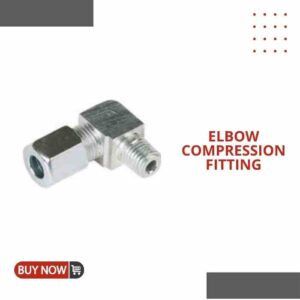
| Elbow compression fitting | 90° where tube must turn at the pump |
| Brass pipe connectors | NPT, compression, push-fit and PEX barb |
| Brass tee coupling | Splits one outlet into two branches |
| Lincoln 304-19509-1 adapter | Port-to-line thread adapter |
| Lincoln 223-12270-7 fitting | Straight threaded outlet fitting |
| Lincoln 303-17499-3 closure plug | M10×1 plug for SSV/SSVD outlets |
| Lincoln 504-30344-4 check valve | M10×1 outlet valve, 6 mm tube seat |
| Lincoln 226-14091-2 check valve | Non-return for SSV systems |
| SKF non-return valve | Brand-equivalent outlet check valve |
| Lincoln 432-23031-1 threaded sleeve | KF300 hose compression ferrule |
| Lincoln Quicklinc adapter 244047 | Male straight compression adapter |
| Push-up lubrication fitting | Quick-connect for oil and grease lines |
| LUBE #403001 hose coupler | Joins two high-pressure lengths |
| Greasing block | Splits one feed into many points |
| Remote anchor block | Anchors the distribution side |
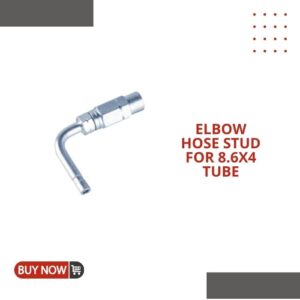
| Thread standards reference | Metric and imperial hose ends and studs |
Full compression sizes and materials are grouped under compression fittings; joints along the run under grease line fittings; hose terminations under grease hose fittings; and nipple extensions and adapters under grease fitting adapters.
Grease Pump Fitting FAQ
Why does my pump outlet weep grease between cycles?
Two usual causes: no check valve at the outlet, or a thread that does not actually match. Without an outlet check valve, line pressure relaxes back toward the pump after each cycle and pushes grease back through the weakest joint. An M10×1 fitting seated in a nominal-look-alike NPT port never seals at all. Fit the outlet valve first; if it still weeps, gauge the thread before replacing anything else.
Which compression ferrule size do I need?
Measure the tube outside diameter with calipers and order the matching DIN 2353 size — the range runs 6 to 42 mm, and each size holds its own pressure rating from 100 to 800 bar. The ferrule is single-use: like a hose sleeve, it bites the tube on first tightening and will not grip a second time. Order ferrules with the fittings; they are the consumable half.
Can I leave a divider outlet open until I need it?
Not without a plug. On SSV and SSVD progressive metering devices, an open outlet lets grease take the path of least resistance, which starves every point downstream of it. The M10×1 closure plug seals the port and keeps the metering circuit complete; when you later need the outlet, the plug comes out and the fitting goes in.
One pump, several branches — tee or block?
A brass tee splits one outlet into two and is right for one extra branch. Beyond that, a greasing block or anchor block is the honest answer: it takes the pump feed once and distributes to many points with a fitting at each, which keeps joints countable and serviceable instead of stacking tees into a bundle nobody can trace.
M10×1 or 1/8 NPT — how do I tell which port I have?
M10×1 is a 10 mm metric thread with 1 mm pitch; 1/8 NPT is an imperial tapered thread that looks close at a glance. The thread-standards reference page sorts them with dimensions and photos of each family. When in doubt, send a photo of the port and the pump tag through the contact page — the answer comes back with the matching fitting linked.

- Sale!
- Sale!


- Sale!

- Sale!

- Sale!

- Sale!

- Sale!
