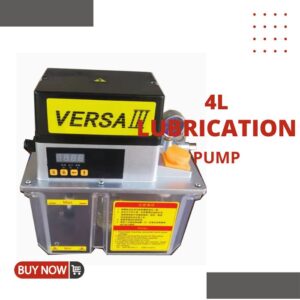
Lubrication Pumps
Every lubrication task on this site ends at a pump, and IsoHiTech builds or stocks all of them: electric lubricators for machines, air pumps for workshops, hand pumps for the field, 24V units for vehicles, drum and pail stations, and genuine Lincoln and SKF originals. This hub page routes you to the right family in one step — each family category carries its own selection tables, model comparisons, and specs.
Forty-five pumps are cataloged under this hub. Rather than one flat list, they are organized by job below, because the fastest way to the right pump is knowing the job, not scrolling the catalog.
Pump Families at a Glance
| Family | What lives there |
|---|---|
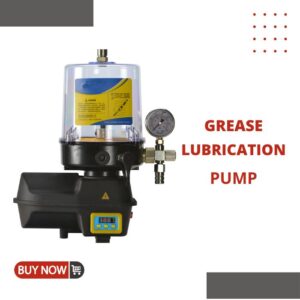
| Grease Pumps | The full grease range — electric, air, and manual in every size class |
| Oil Pumps | Oil-service pumps and lubricators, metered and transfer classes |
| Heavy-Duty Pumps | High-pressure plant duty — steel, mining, cement service |
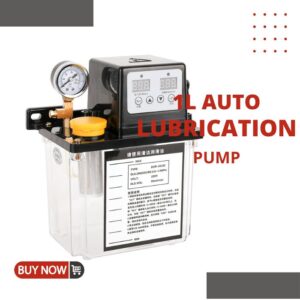
| Grease Units | Self-contained lubricators that bolt onto the machine |
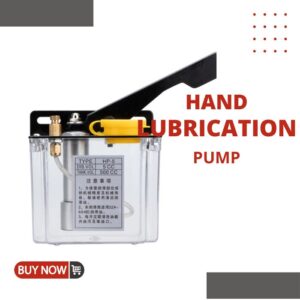
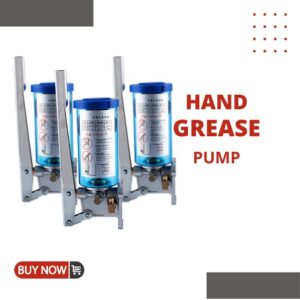
| Hand Pumps | Manual lever and pail pumps — no power, no air |
| 5-Gallon Bucket Pumps | Pail-mount stations for standard 5-gallon containers |
| Grease Dispensers | Pail, drum, and 200 L lift dispensing stations |
| Lincoln Pumps | Genuine Lincoln, SKF, and Vogel originals plus equivalents |
| Dual-Line Systems | Pumps, reversing valves, and metering for two-line circuits |
Which Pump for Your Job
| Your job | Start here |
|---|---|
| Lubricate a machine automatically, unattended | Grease units — pick by machine power: 24V mobile, AC plant |
| Feed hundreds of points across a large plant | Dual-line systems with end-of-line supervision |
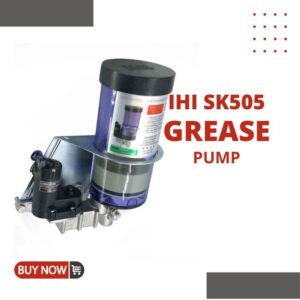
| Grease trucks and vehicles on 12/24V | Electric units in grease pumps, SK-505 class |
| Workshop bench dispensing from pails or drums | Dispensers and bucket pumps |
| Replace a failed Lincoln or SKF pump | Lincoln pumps — originals and drop-in equivalents |
| Occasional greasing with no power or air | Hand pumps, 145 bar class |
Lubrication Pump FAQs
Which lubrication pump do I actually need?
Three questions decide it: What power is available (air, AC, DC, none)? What media (grease NLGI 2, oil, fluid)? How many points (one fitting, a machine, a whole plant)? The tables above route each answer to the family with full specs.
What is the difference between a grease pump and an oil pump?
Grease is thick and needs high pressure with low flow — ratios to 50:1 and pressures to hundreds of bar. Oil flows freely, so oil pumps optimize for volume and metering instead of pressure. Each family category lists only pumps built for its media; crossing them wastes a pump.
Do you stock genuine Lincoln and SKF pumps?
Yes — the Lincoln pump category holds genuine P-series, 84683, POWERMASTER, 1882E, and Vogel items, each badged as original, alongside IsoHiTech equivalents labeled by duty class so nothing is mistaken at quote time.
Which pumps feed centralized lubrication systems?
Progressive circuits take reservoir pumps paired with progressive divider valves; dual-line plants take the high-pressure pumps in dual-line systems; single-point machines take a grease unit. The circuit type picks the pump, not the other way round.
Can IsoHiTech match a pump to a part number?
Yes — send the nameplate photo or part number through the contact page. Most Lincoln, SKF, Vogel, and Bijur numbers cross to a listed original or equivalent, and the match is confirmed in writing before you order.
Not sure which family fits? Describe the machine and power available — IsoHiTech will point you to the right pump and quote.
Reading the pump as a diagnostic. A lubrication pump tells you about circuit health if you listen to its timing: with a positive-displacement pump, the time to deliver a metered shot lengthens noticeably when a line or fitting is clogged – a slowly-growing shot time is an early warning, before a bearing runs dry. And a note on pressure discipline: manual and powered grease guns commonly develop several thousand PSI at the coupler – far beyond what bearing seals and shields are built to hold, and a gun’s maximum pressure is never a safe working pressure for the bearing. Metered, controlled delivery protects seals; brute pressure does not.
Related guides: pressure-ratio selection, pump maintenance, multi-point pumps.
Browsing by model number instead? The lubrication equipment model index lists every pump, valve, divider, and filter family on one page.
- Sale!

- Sale!

- Sale!
- Sale!
- Sale!

- Sale!