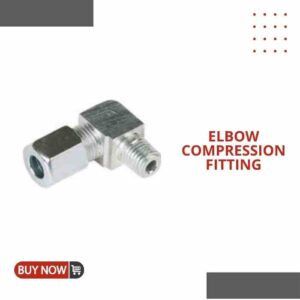
Overview
The 4mm brass compression sleeve – often called an olive – is the sealing element between the compression nut and the fitting body on 4mm OD tube. When the nut is tightened, the sleeve is driven onto the tube and forms the metal-to-metal seal that holds the joint.
This page covers the 4mm olive sleeve itself; for the complete fitting body, see the compression straight tube fitting range. A compression sleeve works on the outside of the tube; a tube insert is a different component that supports the wall from inside.
Declared Specifications
| Specification | Value |
|---|---|
| Tube diameter | 4.00mm (for 4mm OD tube) |
| Material | Brass |
| Style | Olive |
| Type | Compression sleeve |
| Installation | Two-stage tightening, 1/4 to 1/2 turn past resistance |
Material Options and Where Each Fits
Compression sleeves come in three common material families. Brass – the material of this sleeve – is the default for general lubrication, hydraulic, and pneumatic lines: it machines cleanly and seats predictably on copper and steel tube. 316 stainless steel is specified for chemical or washdown environments where chlorides would attack brass. Nickel-plated brass sits between the two, adding a harder, more corrosion-resistant skin while keeping brass economics. Match the sleeve material to the tube and the environment, not just to the fitting body.
How the Olive Seals
When the nut is tightened, its internal taper drives the olive forward into the seat of the fitting body. The leading edge of the sleeve bites into the tube’s outer surface while the sleeve body swages radially inward, gripping the tube and closing the metal-to-metal sealing band. The olive deforms permanently on first tightening, so a reused olive rarely seals to its original performance – fit a new sleeve at every reassembly.
Installation
- Cut the tube square and deburr it. On 4mm tubing, even a small burr holds the olive off its seat and creates a leak path.
- Tighten in two stages. Turn the nut until you feel resistance, then add a further 1/4 to 1/2 turn. Beyond that point the sleeve over-swages and can split thin-wall tube.
- Support soft tubing internally. Nylon or PA12 tube should be fitted with a tube insert so the sleeve clamps against a supported wall.
- Pair the sleeve with the right tube. This sleeve is sized for 4.00mm OD tube such as our 4mm nylon pipe, and seats inside standard compression fitting bodies.
Applications
- Centralized grease and oil lubrication lines on machine tools and production equipment
- Pneumatic control lines in lubrication and automation systems
- Hydraulic lines on lubrication equipment where 4mm tube is specified
Maintenance
Compression joints are largely fit-and-forget, but a few habits help. Fit a new olive every time a joint is remade – the first tightening permanently deforms the sleeve. If a joint weeps after assembly, look for a burr on the tube end, an over-tightened nut, or a reused olive before blaming the fitting body. Keep spare sleeves in stock so crews are never tempted to reuse one.
Frequently Asked Questions
What is a compression sleeve on a tube fitting?
A compression sleeve, or olive, is a small ring that slides over the outside of the tube. When the nut is tightened, the sleeve deforms onto the tube and seals against the fitting body. A tube insert is the opposite component: it supports the wall from the inside, and soft tubing often needs both parts.
What size tube does this 4mm sleeve fit?
It fits tube with a 4.00mm outside diameter – 4mm nylon, copper, or steel lubrication line.
How tight should the compression nut be?
Tighten until you feel resistance, then add 1/4 to 1/2 turn. More torque does not seal better – over-tightening can split thin-wall tube.
Can I reuse a compression sleeve?
No. The olive deforms permanently on first tightening, so a reused sleeve rarely seals properly. Fit a new one at every reassembly.
Brass, stainless, or nickel-plated – which sleeve material should I choose?
Brass is the default for lubrication, pneumatic, and hydraulic lines indoors. 316 stainless suits chemical or washdown environments. Nickel-plated brass is the middle option where you want a harder surface without moving to stainless.
Does this sleeve work with nylon or PA12 tube?
Yes, but soft plastic tube should always be paired with an internal tube insert so the wall cannot collapse or ovalize under the sleeve.
What fitting bodies does a 4mm olive work with?
It seats inside standard compression bodies sized for 4mm tube, such as straight, elbow, and tee connectors.
Why does a newly assembled joint still weep?
The usual causes are a tube end that was not cut square, a burr holding the olive off its seat, a nut tightened past the 1/4 to 1/2 turn window, or a reused sleeve. Recut the end, fit a new olive, and pressurize again.
How do I order 4mm compression sleeves?
Send your tube material, fitting body type, and quantity through our quote request page and we will confirm the correct sleeve for your assembly.
Who supplies these sleeves?
IsoHiTech Lubrication Systems was founded in 2023, engineering since 2006, and focuses on lubrication system components and tubing hardware. For specifications or volume orders, contact the IsoHiTech team or write to inquiry@isohitech.com.