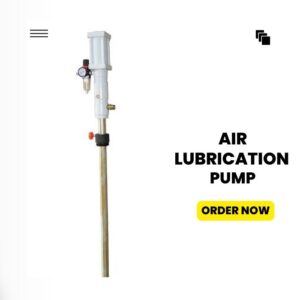
What This Pump Does
This 50 gallon air-operated oil transfer pump from IsoHiTech Lubrication Systems moves oil out of standard 200-205 L drums without electricity, lifting, or tipping. It screws into the drum’s 2-inch bung opening, connects to shop air through a 1/4″ PT fitting, and delivers up to 7.8 L/min (7,800 cc/min) of motor oil, hydraulic fluid, gear oil, or diesel.
The pump ratio is 1:1: output pressure equals air inlet pressure, up to the 0.8 MPa (116 psi) working rating. That makes it a low-pressure, steady-flow transfer tool for drum-to-container and drum-to-reservoir work – not for pushing oil through long pipe runs or into pressurized systems.
Specifications
| Parameter | Specification |
|---|---|
| Drum compatibility | 50 gallon (200-205 L) standard drums, 2-inch bung mount |
| Working pressure | 0.8 MPa (116 psi) |
| Max dispensing pressure | 30 psi |
| Max suction pressure | 90 psi |
| Flow rate | 7,800 cc/min (7.8 L/min) |
| Pump ratio | 1:1 (output pressure equals air pressure) |
| Air inlet | 1/4″ PT female |
| Oil outlet | M10x1 1/4″ |
| Air consumption | 2.5 CFM |
| Air supply required | 90 psi minimum, 2.5 CFM continuous |
| Package size | 87 x 35 x 32 cm |
| Pump size | 65 x 27 x 13 cm |
| Weight | Confirm at order |
| Compatible fluids | Motor oil, transmission oil, hydraulic oil, gear oil, diesel, other non-corrosive petroleum products |
Which Pump for Which Job
Choose this 1:1 drum pump for low-pressure, high-volume transfer over short distances: filling smaller containers, topping off reservoirs, emptying drums. Choose a 5:1 double-acting universal oil pump when you need higher output pressure for longer lines or uphill runs. When the material is not a flowing oil at all – printing ink, adhesive, paste, or heavy grease – step up to a pneumatic drum unloading system with follower plate. For grease rather than oil, see our grease pump range.
Fluids: What Works and What Does Not
Compatible: motor oil, transmission fluid, hydraulic oil, gear oil, diesel, and other non-corrosive petroleum products. Not compatible: water-based fluids, acids, and grease or thick lubricants. Normal motor oils flow freely; heavier gear oils pump but noticeably slower.
Setup and Operation
Thread the pump into the 2-inch bung, connect the air line, and open the valve – flow starts immediately, no priming. Higher air pressure means faster flow; close the valve and the pump stops at once. This is not a siphon: when the air stops, the oil stops. When the drum runs dry, flow ceases while the pump keeps cycling – your audible cue to change drums.
Limitations to Know Before Ordering
- It only fits drums with a 2-inch bung opening; drums with smaller or non-standard openings are not compatible.
- It is a transfer pump, not a pressure lubrication pump – it will not feed long distribution lines or metered dispensing systems.
Maintenance
Check air connections for leaks weekly, keep the air supply filtered and dry, and inspect seals periodically – they are the normal wear item. Slow flow usually means low air pressure or a restriction; no flow usually means the air supply or drum seal needs attention. Accessory configurations (hoses, drip cup, fittings) vary – confirm the package contents when ordering.
For pricing or drum compatibility questions, contact us for a quote or email inquiry@isohitech.com.
Tell us your oil type and drum setup and get a configuration quotation.
Frequently Asked Questions
What is a 50 gallon air-operated oil transfer pump?
A pneumatic piston pump that mounts into the 2-inch bung of a standard 50 gallon (200-205 L) drum and pushes oil out through a hose using compressed air – no electricity, no lifting or tipping. It solves the everyday workshop problem of moving oil from bulk drums to smaller containers or reservoirs quickly and without spills.
How big an air compressor do I need?
The pump needs 90 psi minimum and 2.5 CFM continuous. Most shop compressors meet this; a roughly 30 gallon tank runs the pump intermittently, cycling to refill between transfers.
Can I pump diesel with it?
Yes – diesel is on the compatible fluid list. Provide good ventilation and follow your local fire codes when transferring fuel.
What happens with very thick oil?
Heavier gear oils still pump, but flow drops below the rated 7.8 L/min. If you routinely move paste-like materials, a follower-plate unloading system is the right tool instead.
What if my drum does not have a 2-inch opening?
Then this model is not suitable. It mounts only in standard 2-inch drum bungs; smaller or non-standard openings will not seal or support the pump.
How do I know when the drum is empty?
Oil flow stops once the pickup can no longer reach fluid, while the pump keeps cycling on air. Flow stopping with the pump still running means it is time to change drums.
Can I leave the pump installed in the drum?
Yes. Many users keep a pump permanently mounted on a frequently used drum. Cap the air inlet when idle to keep dust and moisture out.
What happens if air pressure is lost mid-transfer?
The pump stops immediately and no oil continues to flow – it is a positive pneumatic pump, not a siphon, so there is no run-on after the air cuts off.
Should I choose this 1:1 pump or a 5:1 pump?
Pick 1:1 for short-distance, low-pressure drum transfer where flow matters more than pressure. Pick 5:1 when you must overcome line resistance – longer runs, elevation changes, or feeding equipment at higher pressure.