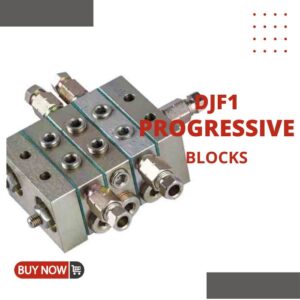
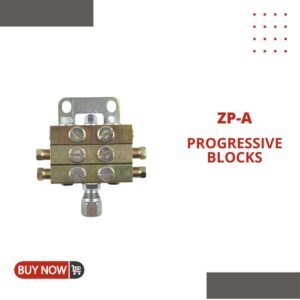
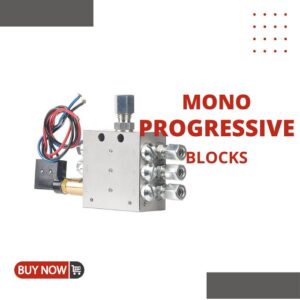
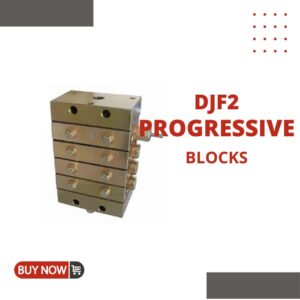
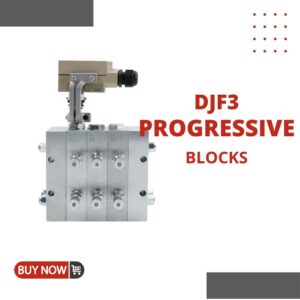
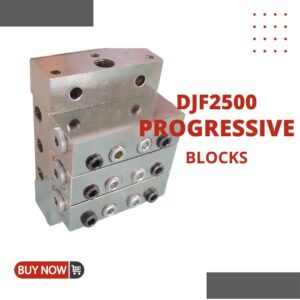
What a Grease Manifold Block Is
A grease manifold block is a passive junction block. It takes one inlet line and divides that flow into several outlet lines for individual lubrication points. There are no pistons, springs or moving parts inside. Flow splits by line resistance, so a short, wide line passes more grease than a long, narrow one.
You use it when one supply line must reach several bearings and you want a bolted junction instead of a stack of tees. The block does not decide how much grease each point receives, so treat it as plumbing rather than a metering device.
Declared Specifications
Values below are the declared build data for this block.
| Outlets | 2 to 12 |
| Inlet | 1/4 inch |
| Body, zinc-nickel plated carbon steel | 5,000 PSI (345 bar) |
| Body, anodized aluminum | 3,000 PSI (207 bar) |
| Grease grades | NLGI #000 to #3 |
Ports are tapped to match your fittings. Body material sets the pressure ceiling, so choose steel for the highest supply pressure and aluminum where weight matters.
Passive Block versus Progressive Divider
A passive block splits flow by line resistance, with no metering and no sequencing. Every outlet sees the same supply pressure, and each point gets grease according to its line and bearing clearance.
A progressive divider sequences pistons in a fixed order, and each stroke moves a set volume. A blockage in one line stalls the whole cycle and the remaining points stop receiving grease, as the divider guide explains.
A passive block keeps the branches independent, so one blocked line does not stop the others. Choose progressive blocks when you need sequencing, and a metered oil distributor when you need measured oil.
Choosing Outlets and Body Material
Give every bearing its own dedicated line. Tees split flow unpredictably, especially when line lengths differ, and they give you no clean way to shut off one point later. Count your points first, then pick a block with that many outlets. Outlet counts run from two to twelve. Take a larger block and plug the spare ports.
Do not feed two bearings from one outlet unless you accept that the split is guesswork.
Zinc-nickel plated carbon steel suits the highest pressure work on hot, vibrating machinery. Anodized aluminum cuts weight where the block rides on a moving arm, and it holds when pressure stays inside its lower rating.
Pairing the Block with Guns and Pumps
A manual grease gun feeds the block straight at the inlet. Each stroke pushes grease into the block, and the branches fill according to their resistance.
Electric and pneumatic pumps can feed the same block when inlet pressure stays inside the body rating. A pump that builds pressure faster than the lines can move grease pushes more of it down the easiest path. Tell us your pump outlet pressure when you order, and you can request a quote with those details.
The block passes soft grades through firm grades, from fluid cold-room greases to stiff pin greases.
From Bare Block to Remote Station
The bare block is a machined body with an inlet and a set of outlets. You add your own fittings, hoses and mounting hardware. Buy it this way when you already have a routing plan or when you are replacing a failed block.
A remote station takes the same block and adds hoses, fittings, and tags in one build. Compare the two on the pre-assembled station page if you want a complete package rather than loose components.
Neither option meters; both split flow passively.
Frequently Asked Questions
Is this a metering block?
No, it is a passive junction block with no moving parts inside. It divides incoming grease flow among the outlets without measuring any volume.
Does every outlet deliver the same amount of grease?
No, the outlets share flow according to the resistance of each line. Shorter and wider lines pass more grease than long, narrow ones.
Can one outlet feed two bearings through a tee?
You can, but the split between the two bearings will be unpredictable. Run a dedicated line to each bearing instead.
Can the inlet and outlets be swapped?
The block has no internal valves or flow directioning inside. Confirm the tapped sizes of inlet and outlet ports when you order.
Can I add outlets later?
You cannot drill new ports into a finished block without risking the pressure boundary. Order a block with more outlets than you need now and plug the extras.
What happens if one outlet line becomes blocked?
The other branches keep flowing, so the remaining points still receive grease. The blocked line simply stops passing flow.
Will it work with a manual grease gun?
Yes, a manual grease gun connects at the inlet and feeds the block directly. Each stroke pushes grease into all branches at once.
Can an electric or pneumatic pump feed it?
Yes, as long as the pump working pressure stays inside the body rating you selected. Tell us the pump pressure so the body material matches.
How is this different from a remote greasing station?
A remote station is the same passive block plus hoses and fittings, pre-assembled for you. To order the bare block or the station, send your routing details and we will match the ports.
How do I get specifications and a quotation?
IsoHiTech Lubrication Systems, founded in 2023, engineering since 2006, builds and supports every unit. Email inquiry@isohitech.com for specifications and a quotation.