What a Grease Pump Does
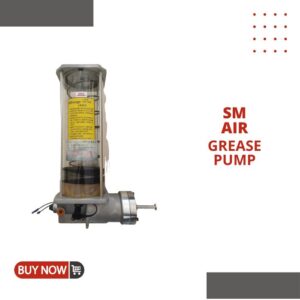
A grease pump moves lubricant from a container into bearings, fittings, or a centralized network at a controlled pressure. The power type sets line pressure, delivery speed, and which grease grades the system can handle. Four types cover nearly every application: manual, pneumatic, electric, and bulk transfer. For the full family, see the grease pump overview.
How the Choice Works
Start with the utilities on site. No compressed air and few points: manual. A 4-8 bar air line and high daily volume: pneumatic. Timed or vehicle-mounted duty: electric. Drum refilling: bulk transfer. Then add grease, line, and metering-device back-pressure and keep a selection headroom of 20-25 percent. For outdoor or washdown sites, confirm the enclosure rating for the installation site.
Manual Grease Pumps
A manual pump turns hand effort directly into outlet pressure, needing no air line or wiring. It suits occasional greasing, remote sites, and backup duty beside an automated system.
| Specification | Manual pump range |
|---|---|
| Working pressure | 150-250 bar (2,175-3,625 psi) |
| Output | 1.5-5 g per stroke |
| Container sizes | 400 g, 1 kg, 5 kg |
| Outlet thread | 1/4" BSP |
| Temperature range | -10°C to +60°C |
| Grease grade | NLGI 0-2 |
Best for: small machine counts and field service. See the hand grease pump range, or a hand grease filler for refilling small reservoirs from a pail.
Pneumatic Grease Pumps
An air-operated pump multiplies shop air through a ratio piston: at 8 bar, a 50:1 pump delivers about 400 bar, enough to push heavy grades through long lines and metering devices.
| Specification | Pneumatic pump range |
|---|---|
| Air supply | 4-8 bar (58-116 psi) |
| Pressure ratios | 30:1, 50:1, 60:1, 70:1 |
| Maximum outlet pressure | 700 bar (10,150 psi) at 70:1 |
| Output | 0.3-3.5 kg/min |
| Container sizes | 20 kg, 50 kg, 180 kg drums |
| Outlet thread | 3/8" or 1/4" BSP |
| Air consumption | 50-250 NL/min |
| Temperature range | -20°C to +80°C |
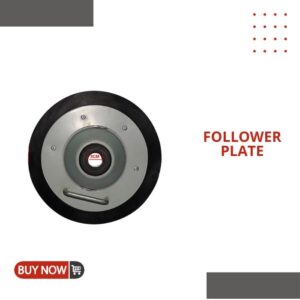
| Grease grade | NLGI 0-3; NLGI 3 in cold weather needs a 30-50 W heated follower plate |
Best for: plants with compressed air and high throughput. For sizing by ratio and drum options, see the pneumatic grease pump selection page.
Electric Grease Pumps
An electric pump runs unattended on a timer or machine controller, making it the heart of an automatic system; 12V and 24V DC versions suit vehicles without plant air.
| Specification | Electric pump range |
|---|---|
| Power supply | 110V/220V AC or 12V/24V DC |
| Motor power | 250-750 W |
| Working pressure | 100-350 bar (1,450-5,075 psi) |
| Output | 0.2-2.0 kg/min |
| Reservoir | 2-8 kg |
| Temperature range | -15°C to +70°C |
| Grease grade | NLGI 0-2 |
Best for: timed cycles and mobile machinery. Compare the electric grease pump line with the compact DRB-P electric grease pump.
Bulk Transfer Pumps
A bulk transfer pump moves grease at high volume and modest pressure from a 180 kg drum into a working reservoir or central station.
| Specification | Bulk transfer range |
|---|---|
| Working pressure | 20-80 bar (290-1,160 psi) |
| Output | 5-50 kg/min |
| Suction tube | 38-50 mm |
| Outlet thread | 1" BSP |
Best for: refilling reservoirs and any task where kilograms per minute matter more than pressure.
Pump Ratio Reference
The ratio states how many units of grease pressure come from one unit of air pressure. Values assume a full 8 bar supply; keep 20-25 percent of headroom.
| Pump ratio | Outlet pressure at 8 bar air |
|---|---|
| 30:1 | 240 bar |
| 50:1 | 400 bar |
| 60:1 | 480 bar |
| 70:1 | 560 bar |
| 100:1 | 800 bar |
Matching NLGI Grade
Worked penetration describes grease stiffness: higher numbers are stiffer and need more pressure. NLGI 0-2 flows through all three power types; NLGI 3 calls for pneumatic, with a 30-50 W heated follower plate in cold weather.
| NLGI grade | Worked penetration (dmm) |
|---|---|
| NLGI 00 | 445-475 |
| NLGI 0 | 385-415 |
| NLGI 1 | 310-340 |
| NLGI 2 | 265-295 |
| NLGI 3 | 220-250 |
Centralized System Integration
Single-line systems serve 10-100 points at 100-300 bar and pair with pneumatic or electric pumps; the line vents between cycles so each injector resets.
Dual-line systems alternate two mains under pressure, suiting long runs and heavier grease; an electric pump with a changeover valve drives the network.
Progressive systems cycle divider pistons in sequence, so a blocked point stops the stack and reveals the fault. Progressive pumps for larger networks are covered on the P203 progressive grease pump page.
Unsure which combination fits? Send us your point list and grease specification for a recommended pump type, ratio, and reservoir size.
Frequently Asked Questions
How do I size the pump ratio from system back-pressure?
Add grease, line, and metering-device back-pressure, then divide by air pressure. For 300 bar on an 8 bar line, a 50:1 pump keeps the recommended 20-25 percent headroom.
Should I choose a manual or a pneumatic pump when no air supply exists?
With few points and occasional greasing, choose manual. For timed, unattended cycles without air, choose electric; pneumatic needs a 4-8 bar air line.
When does an electric grease pump fit best?
Electric fits timed, operator-free cycles, vehicles on 12V or 24V DC power, and plants without compressed air.
Which pump type handles NLGI 3 grease?
A pneumatic pump with a high ratio handles NLGI 3; in cold weather a 30-50 W heated follower plate keeps the grease feeding the suction.
What is the difference between a follower plate and a suction tube?
A follower plate presses the grease surface toward the inlet and wipes the drum wall; stiff grades need it. Suction tubes suit softer grades.
How often should check valves be inspected?
Inspect pump and system check valves every 500 hours or 6 months, whichever comes first; a worn valve shows up as pressure decay between cycles.
How should the high-pressure hose be rated?
Use a hose with a burst-to-working ratio of at least 3:1 against maximum outlet pressure, and verify fitting ratings for the working pressure.
Which container size matches each pump type?
Manual pumps mount 400 g to 5 kg containers, pneumatic pumps 20-180 kg drums, and electric pumps carry a 2-8 kg reservoir.
How do I choose between single-line, dual-line, and progressive systems?
Single-line suits 10-100 points at 100-300 bar, dual-line suits long runs and heavy grease, and progressive adds fault detection through a stalled divider.
How do I get a quote, and who is behind these pumps?
IsoHiTech Lubrication Systems is a lubrication equipment supplier founded in 2023, engineering since 2006. Send your point count, grease grade, and utilities to inquiry@isohitech.com or via the contact for a quote page.