What a Low Pressure Grease Pump Does
A low pressure grease pump moves grease from a bulk container to a reservoir, a grease gun, or a dispensing point. Its job is transfer, not injection. The pressure class is commonly 10 to 50 bar, describing the duty the pump is built for, not a universal standard.
Transfer duty means the grease only has to travel through hoses, pipes, and open ports. When the outlet path is easy, a lower pressure class gives you steadier flow and less heat in the grease.
This page covers the pressure-class decision. For pump families and their working principles, see grease pump types compared.
Declared Specifications
| Pressure class | Commonly 10 to 50 bar for bulk transfer duty; per model, confirm at ordering |
| Grease grades | NLGI #0 to #2 typical; grade range depends on suction arrangement and temperature |
| Flow basis | Quoted as volume per cycle or per minute per model at ordering; mass flow depends on grease density and temperature |
| Containers | Pails, kegs, 55 gallon / 180 kg drums; confirm the container fit at ordering |
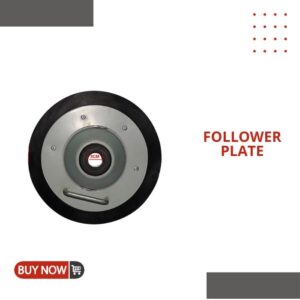
| Follower plate | Available on drum versions to evacuate stiff grease and reduce air pockets |
| Drive options | Pneumatic (requires site air), electric (runs without compressed air), manual lever for low volume shop use |
| Relief arrangement | Ask for the relief valve arrangement and maximum fluid pressure at ordering |
Transfer Pressure versus Injection Pressure
The boundary between transfer and injection is the outlet path, not the pump size. An injection pump overcomes restricted fittings and bearing cavities, so it runs in a much higher pressure class. A transfer pump fills reservoirs and guns at 10 to 50 bar.
A transfer pump is not rated for bearing injection through restricted fittings unless the manufacturer states it. Push a transfer-class unit against a blocked fitting and the pressure has nowhere to go. Always ask how the relief path is arranged before the pump reaches your site.
If your task is genuinely injection, size for injection duty instead. If it is moving grease from a drum into a reservoir or a gun loader, low pressure is the right class.
Choosing the Drive
Pneumatic drive needs site air. Where compressed air is already piped to the bay, a pneumatic transfer pump is simple and robust. A 25 kg pneumatic grease pump suits smaller containers in that setting.
Electric drive runs without compressed air. An electric grease pump keeps transfer duty independent of the air system.
Manual lever drive covers low volume shop use. It needs no power at all, but it suits small transfers only.
Containers and Follower Plates
Container choice drives the suction arrangement. Pails and kegs suit small bays and manual handling. A 55 gallon drum grease pump suits higher volume sites.
A follower plate sits on top of the grease and follows it down as the drum empties. On drum versions it helps evacuate stiff grease and reduces air pockets in the suction path. Air pockets cause uneven flow and noisy running.
If your site handles more than one container type, say so at ordering. When you are ready, contact our team for a quote and include the container, grease grade, and site temperature.
Filling Guns and Reservoirs Safely
A transfer pump fills reservoirs and guns. Keep the fill port open and matched to the pump outlet, and avoid dead-ending the line. If the outlet blocks, pressure has to go somewhere, so never assume a pump is inherently safe against blockage.
Ask for the relief valve arrangement and the maximum fluid pressure whenever a line could be closed off.
Cold grease raises the pressure needed to move it, even in transfer duty.
Frequently Asked Questions
What does low pressure mean for a grease pump?
It means a pump built for transfer duty, commonly in the 10 to 50 bar class. It moves grease through open paths, not through restricted fittings.
Can a low pressure pump inject grease into bearings?
Honest answer: no, unless the manufacturer states the unit is rated for it. Bearing injection needs a higher pressure class to overcome restricted fittings and cavities.
Should I choose electric or pneumatic for transfer duty?
Pneumatic suits sites that already have compressed air piped to the bay. Electric runs without compressed air and simplifies planning where the compressor is remote.
Does a transfer pump need a follower plate?
Not always, but drum versions with a follower plate handle stiff grease better. The plate follows the grease down and reduces air pockets in the suction path.
Which NLGI grades can a low pressure pump handle?
NLGI #0 to #2 are typical, depending on suction arrangement and temperature. Confirm your exact grade and site temperature at ordering.
What flow should I expect from a low pressure pump?
Quote flow as volume per cycle or per minute per model. Mass flow depends on grease density and temperature, so it cannot be a single headline figure.
What happens if the outlet blocks during transfer?
Pressure rises, so ask for the relief valve arrangement and maximum fluid pressure at ordering. Never assume a pump is inherently safe against blockage.
Can one pump serve a pail, a keg, and a drum?
Suction design and follower plate size are matched to the container. State every container type you use, and we will confirm the fit.
How do I state my requirements when ordering?
Give grease grade, container type and size, drive preference, site temperature, and the target point. Then contact our team for a quote with those details.
How do I get specifications and a quotation?
IsoHiTech Lubrication Systems, founded in 2023, engineering since 2006, builds and supports every unit. Email inquiry@isohitech.com for specifications and a quotation.