Quicklub SSV Divider Valves Replacement Guide
This guide covers selecting and replacing Quicklub SSV progressive divider valves. Quicklub and SSV are Lincoln product family designations, and Lincoln is a trademark of its respective owner. These are aftermarket replacement valves and parts, not manufactured, sponsored, or endorsed by Lincoln. SSV designations are for cross-reference identification only. The guide covers identifying when replacement is necessary, selecting the correct valve, and installation pointers.
Identifying Your SSV Valve
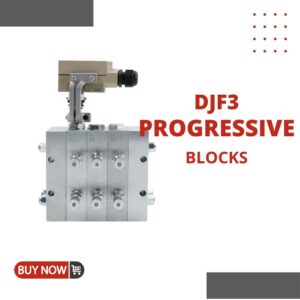
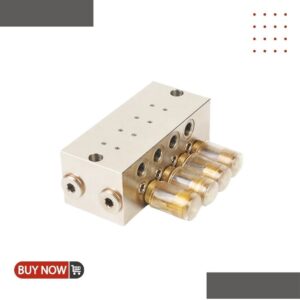
Start by confirming the outlet count. Quicklub SSV divider valves in this family include SSV6, SSV8, SSV10, SSV12, SSV14, SSV16, SSV18, SSV20, and SSV22. Record the stamped part number from the valve body before removing anything. Note whether the valve has a cycle-indicator pin or a proximity switch option, since that changes the replacement style. Note the material, either carbon steel or stainless steel, based on the old unit and the lubricant used. Photograph the front, sides, stamping, fittings, and any plugged ports. Those photos help match the correct replacement and outlet configuration.
When to Replace a Divider Valve
Common failure signs include an indicator pin that stops moving during normal cycling. One or more points may run dry while others are still fed. A sharp pressure rise or pump stall usually points to blockage rather than a simple leak. Grease leaks at the valve body or around fittings can also indicate replacement. Uneven or delayed distribution across outlets is another sign. Before ordering a new valve, rule out blocked lines, an empty reservoir, and the wrong grease. A crushed tube will kill the new valve too, so inspect the full circuit first.
Selection Checklist
| Outlet count SSV6 to SSV22 |
| Cycle indicator pin yes or no |
| Material carbon steel or stainless |
| Metering rate per outlet (record from old valve, do not assume all outlets equal) |
| Inlet pressure (system normal and max) |
| Lubricant grease or oil |
| Port fittings and tube size |
| Primary or secondary divider role |
Installation Pointers
Depressurize the system and disconnect power before starting work. Label feed lines before removal so each outlet returns to the same point. Clean the port area on the new valve and the mating lines. Install per the valve instructions included with the replacement. Unused outlets must be closed with closure plugs installed correctly. After restart, verify the indicator cycles before returning the system to service.
Related Parts and Guides
A replacement often pairs with new outlets and fittings, including a check valve outlet fitting for each active point. Review the progressive lubrication systems guide for broader system layout help. If the stamping is hard to read or the outlet pattern is unclear, contact the team with photos for identification help before ordering.
Frequently Asked Questions
Can an SSV8 replace an SSV6?
Not as an assumption. Check outlet count, metering rates, and port fittings before swapping any SSV size.
Do I need the cycle indicator?
Only if the system is monitored. A plain valve can work where visual or manual checks are used.
Can unused outlets be plugged?
Yes, with the correct closure plugs. Install them fully so the divider still cycles properly.
Are all outlets the same metering?
No. Verify each outlet individually from the old valve rather than assuming equal output.
What inlet pressure should I use?
Use the system specification for the valve. Measure pressure during operation to confirm normal and maximum conditions.
Should I repair or replace the valve?
Replace if the valve is seized or contaminated after ruling out lines. Simple blockage elsewhere may not need replacement.
What photos should I send for identification?
Send front, sides, stamping, fittings, and plugged ports. Clear photos speed up correct valve selection.
Why did my new valve fail too?
Upstream blockage or wrong grease is likely. Check the entire feed path before blaming the replacement valve.
What is the difference between SSV and SSVM?
SSVM versions are primarily for oil systems. Confirm the type and lubricant before ordering a replacement.
Who builds these replacement valves, and how do I get a quotation?
IsoHiTech Lubrication Systems, founded in 2023, engineering since 2006, builds and supports every unit. Email inquiry@isohitech.com for specifications and a quotation.
Contact the team with photos of your valve.
Need the physical block? See the 2-20 outlet SSV-format divider valve — direct replacement, our own manufacture.