




Why Pulverizer Equipment Need Lubrication?
An automatic lubrication system can extend the life of the Pulverizer Equipment and prevent untimely shutdowns. Its application of grease to crucial points, while the equipment is running, creates a barrier for contaminants, ensuring long-term performance. No manual labor is required, enhancing operational safety. It saves time as well as expensive repairs by preserving your equipment and safeguarding your workforce.
ARE YOU LOOKING FOR AN AUTOMATED LUBE SYSTEM?
- Greasing every point on the wheel loader prevents dust and dirt from entering worn surfaces while it is in operation.
- As hard-to-reach lubrication points can be serviced without crawling under or over equipment, there is increased safety.
- By decreasing wear on vital components, an automatic lubrication system improves equipment life.
- With a payback often within the first year, fleets can gain 30 minutes or more of operating time per day.
- LUBRICATION SYSTEM
- Grease Pump
- Progressive Distributor
- Hose

IsoHiTech could provide the complete kit.IsoHiTech also provide the OEM Service for well-known brand in the world
1. Grease Pump
2. Progressive Distributor
3. Hose and fittings
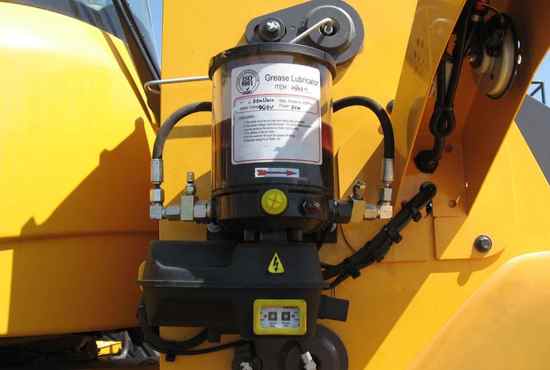
The CSK Lubricator is a multiple-outlet(Maximum up to 3) lubrication unit powered by an electric motor, suitable for use with progressive divider valve systems. This model comes with up to three separate pumping elements and can also be fitted with 24 VDC motors, making it ideal for mobile applications. It has an integral controller or can be managed through our internal timers

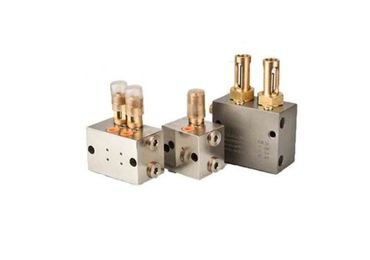
Mono Divider Valves are designed to precisely meter lubricant from 6 up to 20 separate outlets. Each Output is fixed at 0.17cc per cycle, you could increase output when needed by plugging the outlet. Cycle indicator pins offer visible verification of operations and can also be fitted with a switch to signal a system controller.

IsoHiTech provide the hose and couplings
Hose Parameter
O.D.9mm and I.D.4mm
O.D.11mm and I.D.6mm
Grease Nipple Size
Pt 1/8 and Pt 1/4
Related Products


Maintaining this equipment? See our heavy equipment lubrication systems — OEM-compatible, full specifications, fast quoting.
Comprehensive Guide to Pulverizer Equipment Lubrication
Introduction
Proper lubrication is essential for keeping pulverizer equipment running smoothly. It also helps the machines last longer in industrial environments. Pulverizers work in tough conditions, dealing with constant stress, vibration, and exposure to dirt and other contaminants. A strong lubrication program helps equipment last longer, cuts downtime, and boosts efficiency. This guide covers pulverizer lubrication. It explains why lubrication matters. It also shows how to use advanced automatic systems for top performance.
Understanding the Importance of Pulverizer Lubrication
Pulverizers are key in reducing size for many industries. They are especially important in power generation, where coal pulverizers prepare fuel for burning. Lubrication in pulverizer equipment mainly protects moving parts. It creates a barrier that cuts down on friction and wear. Without proper lubrication, pulverizers wear out quickly. They also use more energy and fail sooner, which can cause expensive downtime and repairs.
Pulverizers usually work in tough environments. They face dust, moisture, and changing temperatures. These environmental factors make proper lubrication even more critical. Hot air moves through the bottom of pulverizing chambers. This removes moisture and carries coal dust. Proper lubrication is vital. It protects sensitive parts from contamination and wear. Pulverizer lubrication systems face high mechanical stress and environmental exposure. So, they need to be strong, reliable, and built to handle these unique challenges.
The Economic Impact of Proper Lubrication
The economic benefits of effective pulverizer lubrication extend beyond equipment longevity. Well-lubricated equipment needs less energy to run, breaks down less often, and performs better overall. Automatic lubrication systems usually pay for themselves in under a year. They can also add 30 minutes or more of extra operating time daily. Better availability leads to higher productivity and lower maintenance costs. Good lubrication is crucial for saving money in industrial operations that use pulverizers.
Types of pulverizer lubrication systems
Pulverizer equipment uses different lubrication systems. The choice depends on the application, size, and operation. Knowing these systems is key to selecting the best solution for each application.
Manual Lubrication Systems
Manual lubrication is still common in many industries. However, it has several drawbacks, especially for pulverizer equipment. Manual systems need trained maintenance staff to apply grease properly. This is important for effective operation. It usually takes an hour to lubricate each point. If maintenance is delayed, it can cause bearing damage over time. Additionally, manual lubrication is time-consuming for operators. Manual lubrication can be inconsistent. This may lead to times when bearings and other parts do not get enough lubrication. As a result, wear can speed up, and component life may decrease.
Automatic Lubrication Systems
Automatic lubrication systems represent a significant advancement in pulverizer maintenance technology. These systems provide oil or grease at scheduled times. This makes the equipment last longer. It reduces downtime and lowers human effort. It may also cut down on part replacements.
A typical automatic system includes:
- A pump
- A controller or timer
- A lubricant supply line
- Metering devices
- Lubricant feed lines
The pump sends lubricant through a supply line during a lubrication cycle. Then, metering devices give exact amounts of lubricant to each bearing via feed lines.
Automatic lubrication for pulverizers offers several benefits:
- Consistent application
- Less labor is needed.
- Better safety
- Improved monitoring
These systems provide the right amount of lubricant at scheduled times while the equipment operates. This keeps critical parts well lubricated, even during constant use.
Air/Oil Modulation Lubrication Systems
Air/oil modulation lubrication systems offer additional benefits for specialized pulverizer applications. Compressed air from a tank pulls the lubricating liquid through nozzles. Pulverizers in these systems have a non-return valve. This valve keeps the lubricating liquid in the pipe. A special nut helps adjust the lubricating cone. This changes the spray diameter from 10 to 100 mm. So, it offers flexibility for different component sizes and shapes. These systems need clean compressed air; follow the generator manufacturer’s supply-pressure specification. They can operate continuously or intermittently, depending on the pulverizer’s schedule.
Components of Pulverizer Lubrication Systems
Knowing the main parts of pulverizer lubrication systems is crucial. This helps with choosing, maintaining, and fixing the system. Each part is key to delivering effective lubrication to important pulverizer components.
Lubricant Reservoirs and Pumps
The reservoir and pump serve as the heart of any lubrication system. In pulverizer applications, reservoirs usually range from 15 to 300 gallons. This depends on the equipment’s size and needs. You can use different pump types. These include electric, pneumatic, hydraulic, and manual options. The CSK Lubricator is a lubrication unit with multiple outlets. It runs on an electric motor and works well with progressive divider valve systems. This model has up to three pumping elements. It can use 24 VDC motors, which makes it great for mobile applications.
Choosing the right pump and reservoir depends on a few key factors. First, consider how many lubrication points you have. Next, think about the type of lubricant you will use. Finally, check the required delivery pressure. When using high-viscosity lubricants in pulverizers, sizing the pump is key. This ensures enough flow, even when temperatures drop.
Distribution Systems and Metering Devices
Lubricant flows through distribution systems from the pump to each lubrication point in the pulverizer. These systems typically employ either progressive distributors or parallel systems. Progressive distributors deliver lubricant to 6 to 20 outlets. Each outlet dispenses a set volume each cycle. Mono Divider Valves offer 0.17 cc per cycle at each outlet. You can boost the output by plugging specific outlets when needed.
Metering devices ensure that each lubrication point receives the correct amount of lubricant. These devices are key for stopping under-lubrication and over-lubrication. Both can cause damage to components. Cycle indicator pins show visible proof of operation. They can also have switches that alert system controllers. This provides important feedback on how the system is performing.
Control Systems and Monitoring Devices
Modern pulverizer lubrication systems incorporate sophisticated control and monitoring capabilities. These can include electronic monitoring, pressure sensors, and telematics for remote tracking. The control system manages the timing, pressure, and volume of the lubricant based on set parameters or inputs from sensors. Some systems have built-in monitors. These alert operators if lubricant levels are low or if there is a malfunction.
Fluid cleanliness should be ISO 16/13 or higher for coal pulverizers. High-efficiency filters can achieve this. Monitoring cleanliness is key to the control system’s operation. In advanced systems, alarm signals connect to a PLC, light, or horn. This setup allows for remote notifications about system issues.
Selecting the Right Lubricants for Pulverizer Equipment
Choosing the appropriate lubricant is crucial for effective pulverizer operation and longevity. The selection process should consider key factors for pulverizer use, including operating conditions, manufacturer recommendations, and environmental factors.
Lubricant Types and Properties
Pulverizers need lubricants, either oil-based or grease-based. The choice depends on the parts and how they are used. For coal pulverizer gearboxes, high-viscosity gear oils are often used. Usually, these oils are ISO VG 320 or higher. They provide the needed film strength for heavily loaded gears. The selection must balance different needs. A viscosity that suits gears might not be good for bearings. This can cause bearings to starve and fail early.
Air/oil systems commonly run ISO VG 32–220 lubricants; some designs accept heavier grades, so confirm with the system manufacturer. This helps the fluid flow smoothly through the nozzles and channels. For grease use, the NLGI grade matters a lot. Manufacturers often suggest the right grade based on your usage and surrounding conditions.
Environmental and Operational Considerations
Temperature is a critical factor in lubricant selection for pulverizers. Coal pulverizers can run at about 200°F (93°C), and this high heat quickly breaks down lubricants. High temperatures require lubricants that have good thermal stability and the right viscosity for that temperature range. Sometimes, people choose synthetic base oils, which perform better at high temperatures than mineral oils.
Contamination resistance is another crucial property for pulverizer lubricants. Coal dust and other particles can quickly dirty lubrication systems, causing faster wear and part failures. Lubricants with good demulsibility (water separation) and contaminant-suspension properties help mitigate these issues. Additionally, the lubricant can create a strong seal to keep out contaminants, helping parts last longer.
Lubricant Analysis and Monitoring
Regular analysis of lubricant samples is an essential part of pulverizer maintenance. Oil analysis spots wear particles, contaminants, and lubricant breakdown. It does this before equipment fails. For coal pulverizers, maintaining proper lubricant cleanliness is particularly important. Pall suggests keeping fluid cleanliness at ISO 16/13 or better. You can achieve this with Ultipleat® SRT AS grade filters (ß12(c) ≥ 1000) or finer ones.
Statistical methods like statistical process control (SPC) set alarm limits for lubricating oils. Cumulative distribution also plays a role in this process. These techniques are used in steam turbines and coal pulverizers. They set proper limits for oil parameters, which help maintenance teams find and fix problems before equipment fails.
Best Practices for Pulverizer Lubrication Maintenance
Good maintenance practices are key to getting the most from pulverizer lubrication systems. A good lubrication plan keeps equipment running well and lasts longer.
Regular Inspection and Servicing
Regularly checking the pulverizer and its lubrication system is key to avoiding surprises. Check high-pressure pulverizers often for wear, leaks, and damage. Check the grinding roller, grinding ring, classifier, and other parts for damage or wear. Also, cleaning the pulverizer often stops dust, debris, and other contaminants from building up. This helps keep the equipment and its lubrication system working well.
For spindle bearings, follow the bearing manufacturer’s re-grease quantity and interval. Fill only to 60% capacity to avoid over-lubrication. Over-filling with the right lubricant can still cause problems. So, it’s important to follow the manufacturer’s guidelines on how much to use.
System Cleaning and Contamination Control
Contamination control is vital for pulverizer lubrication systems because they often work in dusty environments. Cleaning or replacing dust collector bags keeps airflow steady and stops dust from building up in the system. Removing iron impurities from the feeder’s magnet cylinder and plate helps keep it running smoothly.
Particulate contamination in the lube system can quickly damage key parts in coal pulverizers. For in-line filtration upgrades, use a duplex assembly. This lets you change elements while the pulverizer runs, ensuring ongoing protection. For kidney loop filtration, a flow rate of about 20% of the reservoir volume per minute usually works well. This is especially true in systems with low pump pressure. It helps tackle the ingression rate for most applications.
Upgrading Lubrication Systems
Upgrading older pulverizers with poor lubrication systems can boost their reliability and performance.
In one case study, a pulverizer gearbox had high failure rates due to too much load and lubrication problems. To fix this, some changes were made.
They added a side-loop circulating system with air cooling to lower fluid temperatures. They also drilled oil passages to push lubricant to the bearings. A high-quality breather was installed to limit contamination. Finally, they placed a filter on the circulating system.
These changes lowered the fluid temperature by 50°F. They also help keep oil cleanliness within target when combined with fine filtration. This made it possible to use ISO VG 320 oil. It lubricates the gears well and ensures bearings get proper lubrication through force-feeding. Upgrading lubrication systems can be a smart choice. It offers a cheaper option than replacing costly equipment.
Common Lubrication Issues and Solutions
Pulverizer equipment frequently encounters lubrication-related problems that can significantly impact performance and reliability. Knowing these common issues and their solutions helps maintenance teams fix problems early. This way, they can prevent serious failures.
Under-Lubrication and Over-Lubrication
Both insufficient and excessive lubrication can cause serious problems in pulverizer equipment. Not enough lubrication causes more friction, heat, and faster wear. This is especially true for heavily loaded parts like bearings and gears. On the other hand, too much lubrication can lead to overheating. This happens because the fluid churns more, which uses extra power and may harm seals and other parts.
In gearboxes, high-viscosity oils (ISO 680) can be good for gears, but they might starve bearings of lubrication. On the other hand, lower-viscosity gear oils work well for bearings, but they may not lubricate gears properly. This challenge shows why good system design matters. It may include targeted lubrication for different parts that have unique needs. Learn more.
Temperature and Viscosity Challenges
Temperature management is critical for effective lubrication in pulverizers. High temperatures can break down lubricants, reducing their protective qualities and increasing wear on parts. In coal pulverizer gearboxes, the lubricant can reach up to 200°F. This heat can damage the lubricant and lower its effectiveness.
Installing a side-loop circulating system with air cooling can lower fluid temperatures. Field experience shows lower fluid operating temperatures after the upgrade0°F. This reduction, along with using the correct lubricant (ISO VG 320), kept the gears and bearings properly lubricated. As a result, system reliability improved greatly.
Contamination Management
Contamination is perhaps the most pervasive challenge in pulverizer lubrication systems. Coal dust and other particles can quickly enter the lubrication system, leading to faster wear and failure of components. Particulate contamination in the lube system can quickly harm key parts. This is especially true for older units, which let in contaminants more easily than newer models.
To manage contamination effectively, use high-quality breathers to limit contamination intake. Also, install suitable filtration systems and clean system parts regularly. For coal pulverizers, it’s best to keep fluid cleanliness at ISO 16/13 or better. You can achieve this with high-efficiency filters. A duplex assembly lets you change filter elements without stopping the pulverizer. This keeps the operation running smoothly and protects against contaminants.
Advanced Lubrication Technologies for Pulverizers
Lubrication technology has greatly improved pulverizer maintenance and reliability. Advanced systems use smart monitoring, automation, and integration. These features boost performance and cut down maintenance needs.
Centralized Automatic Lubrication Systems
Centralized lubrication systems offer comprehensive solutions for pulverizers with multiple lubrication points. These systems have a central pump station. They can serve many lubrication points, even dozens or hundreds. This makes them perfect for complex pulverizer equipment.
Key parts of these systems are:
- A central pump and reservoir.
- A controller
- Primary and secondary distribution blocks
- Metering devices
- Supply lines
- Monitoring equipment
Centralized systems for pulverizers have several benefits. They cover all lubrication points fully and cut down on labor needs with automation. These systems ensure steady lubrication no matter the conditions. They can also reach tough spots without halting equipment. Plus, they offer better monitoring and apply less lubricant precisely. Modern centralized systems boost these benefits. They offer features like electronic monitoring, pressure sensors, and telematics integration. This allows for real-time status updates and maintenance alerts.
Progressive Distribution Systems
Progressive distribution systems are particularly well-suited for heavy equipment like pulverizers. These systems use connected divider blocks. They send lubricant to various points in a set order. Lubricant enters the primary divider block. Then, it gets spread to secondary blocks. Pistons move one after the other, sending lubricant to each outlet.
Key advantages of progressive systems are:
- Built-in monitoring: The system stops if any points are blocked.
- High back pressure: They handle heavy grease applications well.
- Performance: They work well in contaminated environments.
- Modular design: You can expand or modify the system easily.
- Visual confirmation: Indicator pins show the system’s operational status.
Progressive distribution systems are a great fit for pulverizers in tough, dusty settings.
Predictive Maintenance Through Lubrication Monitoring
Vibration-based condition monitoring represents an advanced approach to pulverizer maintenance. This technique detects and diagnoses machine faults early, helping to prevent catastrophic failures. It is key to a predictive maintenance strategy. Mixing vibration monitoring with lubrication system data shows a better view of equipment health, helping to predict potential failures more accurately.
Power stations and factories need reliable pulverizers. This helps them meet production goals and cut costs. To meet production goals, it’s key to reduce wear and damage. Predictive maintenance boosts uptime, often at little or no extra cost. Maintenance teams can find problems early. They do this by checking lubrication patterns and vibration data. This helps them fix issues before they affect production.
Conclusion and Future Trends in Pulverizer Lubrication
The field of pulverizer lubrication is changing. New technologies, materials, and methods are coming out. Maintenance teams must know best practices to keep equipment reliable and running smoothly. They should also watch for new trends. This helps them optimize their lubrication programs.
Current Best Practices Summary
Effective pulverizer lubrication fundamentally depends on applying the “4 C’s to Lubrication”: Correct Technology, Correct Quantity, Correct Frequency, and Correct Procedures. Choosing the right lubricant technology depends on several factors. You need to think about the application and the environment. Key considerations include speed, temperature, load, vibration, moisture, and dust. Temperature affects the type of lubricant base oil. Speed sets the needed viscosity at that temperature. Factors like load, vibration, and moisture determine the right additive package.
Automatic lubrication systems provide key benefits for pulverizer equipment. They ensure consistent application, cut down on labor, boost safety, and improve monitoring. These systems keep important parts well-lubricated while they run. This helps equipment last longer and lowers maintenance costs. For coal pulverizers, keeping lubricant clean is crucial. Use effective filtration to reach ISO 16/13 or better. This protects key parts from fast damage caused by dirt and particles.
Emerging Technologies and Approaches
The future of pulverizer lubrication lies in increasingly intelligent and integrated systems. Advanced monitoring technologies combine lubrication parameters with vibration analysis, thermal imaging, and more. This mix provides a clearer view of equipment health. These methods help predict failures. This lets maintenance teams fix problems before they impact production.
Developments in lubricant formulations also continue to enhance pulverizer reliability. New synthetic lubricants provide better thermal stability, oxidation resistance, and contamination tolerance. They extend service life, even in the tough conditions found in pulverizers. These advanced formulations work with targeted delivery systems. They give the best lubrication for different parts with unique needs. This is the latest in pulverizer lubrication technology.
Sustainability is becoming a key focus for industrial operations. Lubrication systems that cut waste and lower environmental impact are now essential. New application technologies can cut down on lubricant use. They also help maintain or even boost component protection. This approach shows great potential for future growth. These systems cut the environmental impact of industrial operations. They also save money by lowering lubricant use and waste disposal costs.
In conclusion, proper lubrication is fundamental to pulverizer equipment reliability and performance.
Using the right lubrication systems and lubricants, plus good maintenance, helps operators.
- Extend the equipment’s life.
- Reduce downtime
- Optimize operational efficiency
Technology is changing. Better monitoring, precise delivery, and eco-friendly practices will enhance pulverizer lubrication programs. This ensures reliable performance in challenging industrial environments.
Frequently Asked Questions
Lubrication in pulverizers protects moving parts. It reduces friction and wear. This helps the equipment last longer and work better.
The main types of pulverizer lubrication systems are:
- Manual lubrication
- Automatic lubrication (centralized and decentralized)
- Air/oil modulation lubrication systems.
When choosing lubricants for pulverizers, think about:
- Operating conditions, like temperature, speed, and load.
- Environmental factors such as dust and moisture.
- Manufacturer recommendations.
- Specific needs for parts, such as gears and bearings.
Check and service pulverizer lubrication systems often. Follow manufacturer guidelines and best practices. The frequency can change based on the equipment and conditions. Usually, checks happen daily, weekly, and monthly.
Not enough lubrication can raise friction, heat, and wear. Too much lubrication can cause overheating from fluid churning. It also increases power usage and can damage seals and other parts.
Effective contamination management involves:
- Using quality breathers.
- Adding appropriate filters.
- Keeping lubricants clean, such as ISO 16/13 for coal pulverizers.
- Also, clean system parts regularly.
Automatic lubrication systems provide consistent lubrication, lower labor needs, and boost safety. They also improve monitoring and can reach tough spots without stopping the equipment.
Regular lubricant analysis spots wear particles, contaminants, and lubricant breakdown. It helps stop equipment failure, supports predictive maintenance, and reduces unplanned downtime.
Advanced technologies for pulverizer lubrication include:
- Centralized automatic lubrication systems
- Progressive distribution systems
- Predictive maintenance using vibration monitoring and lubricant analysis.
- Synthetic lubricants with better performance.
These innovations help to improve efficiency and reliability.
Future trends in pulverizer lubrication will focus on smart systems. These systems will combine advanced monitoring with precise delivery methods. They will also emphasize sustainable practices. This plan aims to boost equipment reliability, lower environmental impact, and enhance operational efficiency.