


In modern society, petrol pumps are vital to fuel supply systems. Petrol pumps ensure the safe transport of fuel. They are vital for daily travel, busy operations, and emergency power. As technology advances and energy demands rise, petrol pumps must evolve. They must meet more applications and stricter environmental rules.
Continue reading to learn more.  Table of Contents Owning or operating a petrol pump has many benefits. They include economic gains, efficiency, and better customer service. Here are some key advantages: Petrol pumps, or gasoline pumps, fuel vehicles at gas stations. But they have other uses, too. They play a vital role in various sectors, including automotive, industrial, and commercial.
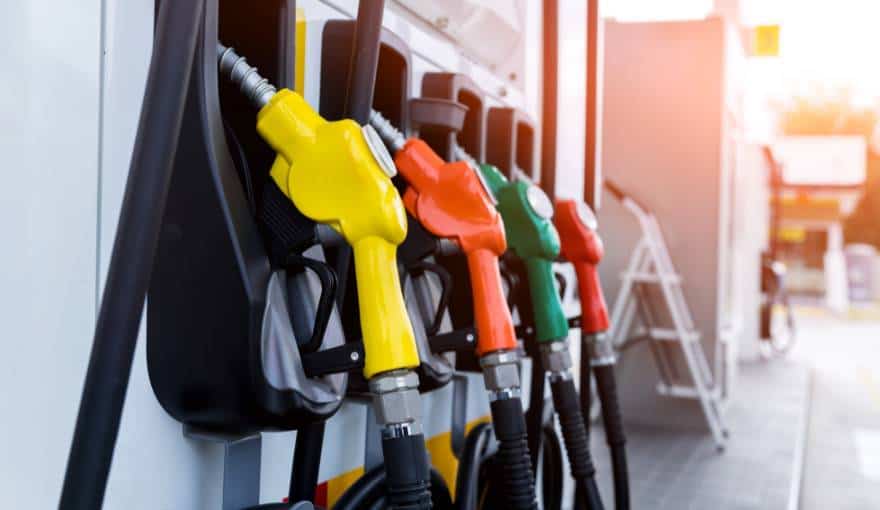 Table of Contents
What are petrol pumps?
Petrol pumps, or gas pumps, are vital at gas stations. They deliver liquid fuels, like gasoline and diesel, into vehicles. These pumps fuel internal combustion engines, which power motor vehicles.What are other terms for petrol pumps?
Petrol pumps are also called gas pumps, gasoline pumps, and island dispensers. They are also known as gas station pumps. You can also refer to the entire facility as a filling station, a service station, or a gas station.What are the different types of petrol pumps?
Designers create petrol pumps to fulfill specific requirements for fuel distribution and handling. Here are the main types:- Mechanical Fuel Pumps:
- These are primarily low-pressure pumps used in older vehicles with carburetor engines. Mechanical fuel pumps are often driven by the engine’s camshaft or crankshaft. They use a diaphragm to pump fuel from the tank to the engine.
- Electric Fuel Pumps:
- Electric fuel pumps are more common in modern, fuel-injected vehicles. They are usually installed inside the fuel tank to keep calm and prevent vapor lock. They are mounted outside as electric fuel pumps are integrated into the line. They are known for their ability to generate high pressure.
- High-Pressure Fuel Pumps:
- These pumps are for direct injection engines. They deliver fuel into the combustion chambers at very high pressures. They are vital for accurate fuel metering and high compression in gas and diesel engines.
- Diaphragm Fuel Pumps:
- Diaphragm fuel pumps are a type of mechanical pump. They use a rubber diaphragm that moves back and forth to create a vacuum. This draws fuel from the tank. These pumps have a simple design. They are used in many applications, including older vehicles.
- Centrifugal Pumps:
- Centrifugal pumps are vital for processing fuels in refineries and transfer stations. The oil and gas industry uses them, not standard vehicle fuel systems. They use a rotating impeller to move fuel by transferring rotational energy to the fluid.
- Gear Pumps:
- Gear pumps are for industrial use, not standard vehicles. They displace fluid by meshing gears. They are durable and efficient with viscous fluids.
- Screw Pumps:
- They are for industrial and oil field use. They handle fluids with hard or abrasive particles. They are vital in high-wear, heavy-load settings. However, they are rarely used in automotive applications.
What are the advantages of petrol pumps?
 Owning or operating a petrol pump has many benefits. They include economic gains, efficiency, and better customer service. Here are some key advantages:
- High-Demand Product: Fuel is essential for transportation. So, it is in high demand. This consistent demand ensures a steady flow of customers and potential ongoing revenue.
- Diversified Revenue Streams: Gas stations can sell more than fuel. They can also offer convenience store items, car washes, and repair services. These auxiliary services can enhance profits.
- No need for skilled labor: A gas station doesn’t need qualified workers. This keeps costs lower than businesses that require specialized skills.
- Gas stations can offer a variety of fuels. These include gasoline, diesel, and sometimes electric charging. This diversity can attract more customers.
- On-site petrol pumps can save time and money for those with fuel systems. They avoid trips to public gas stations. This is particularly beneficial for rural areas or businesses with large fleets.
- Bulk buying fuel for private gas stations can save costs. It often allows for negotiating better prices. Also, owning a petrol pump lets one buy fuel in bulk at lower prices.
- Prevention of Fuel Theft: With rising fuel prices, theft is a concern. Owning a gas station allows for security measures, like access control systems. They can monitor fuel use and prevent theft.
- A petrol pump with access control lets businesses track each vehicle’s fuel usage. This can improve fuel efficiency and help with billing.
- Wholesale Pricing: Commercial gas stations often sell fuel at wholesale prices. This can reduce costs for businesses that use a lot of fuel. This pricing model is cheaper compared to retail pricing.
- Gas stations are designed for commercial vehicles. They have larger fueling islands and high-speed pumps. These features make refueling quicker and more efficient.
- Commercial gas stations offer a range of fuels to meet the needs of commercial fleets. They sell unleaded gasoline, diesel, biodiesel, and DEF.
What are the disadvantages of petrol pumps?
Running petrol stations has some downsides. They can hurt service and profits. Here are some main disadvantages:- High initial and operational costs:
- Establishing and maintaining a fuel dispenser requires significant capital investment. Costs include buying advanced fuel dispensers, safety facilities, and, often, the land. Operational costs include utilities, maintenance, and personnel expenses, which can be substantial.
- Compliance with Regulations:
- Fuel dispensers must meet strict safety, environmental, and accuracy standards set by regulations. Compliance requires costly, time-consuming inspections, equipment upgrades, and legal standards.
- Environmental Concerns:
- Petrol stations can pollute the environment. This is due to fuel spills, leaks, and vapor emissions. These issues pose health risks. They could also lead to costly clean-up and fines for violating environmental regulations.
- Fuel Theft:
- Fuel theft is a significant issue that leads to direct economic losses. Preventing theft requires more security measures, which increase operational costs.
- Maintenance Requirements:
- Regular maintenance is crucial for ensuring safe and efficient operation. This includes servicing pumps, leak detection systems, and other costly, high-tech equipment. It requires specialized skills.
- Market Fluctuations:
- The fuel industry is vulnerable to price swings. They arise from changes in global oil prices, taxes, and economic conditions. These fluctuations can affect profitability and require careful financial planning and management.
- Competition:
- The petrol pump industry is competitive. To stay competitive, firms must invest in technology, facilities, and customer service. This can strain their finances.
- Technical Challenges:
- IsoHiTech must keep up with advances in fuel distribution and payment systems. Customers expect it, and regulations demand it. However, adopting technology can be costly. It requires constant updates and training.
- Safety Risks:
- Operating petrol pumps involves handling highly flammable materials, posing significant safety risks. Accidents can cause severe injuries and major property damage. They can hurt a business’s finances and reputation.
- Dependence on Fossil Fuels:
- As the world shifts to renewable energy, petrol pump demand may drop. Electric vehicles will reduce fuel use. Businesses may need to adapt or risk becoming obsolete.
What are the characteristics of petrol pumps?
Petrol pumps, or fuel dispensers, have key features. They affect their function and performance in fuel distribution systems. These characteristics include:- Materials and Construction:
- Petrol pumps are usually made of durable materials. These include stainless steel or Zintec-coated steel. They can withstand harsh conditions and corrosion. Some pumps, especially marine ones, may have stainless steel pipes for corrosion protection.
- Mechanical Structure of the Pump:
- A petrol pump’s parts can include various pumps, like submersible or suction pumps. Submersible pumps have motors inside the fuel tank. They pump fuel upwards. Suction pumps use vacuum pressure to draw fuel.
- Flow Rate:
- Petrol pumps have different flow rates tailored to specific uses. Forecourt pumps dispense 30 to 40 liters of fuel per minute, refueling cars. Commercial fuel pumps may have higher flow rates. They start at 50 liters per minute and go up to 120 for ultra-fast delivery. This suits large vehicles, like heavy trucks.
- Accuracy:
- Accuracy is crucial for petrol pumps. It ensures customers get the right amount of fuel. Most fuel pumps have an accuracy of ±0.5%. Volumetric meters do this. Less expensive equipment might only have an accuracy of ±3%.
- Connectivity with Other Equipment:
- Modern petrol pumps can connect with various fuel management systems. This is vital for businesses selling fuel to third parties or managing large fleets. This connectivity allows for better tracking and management of fuel usage.
- Safety Features:
- Due to the fuel’s flammability, safety is critical in petrol pump design.Common features include:
- Automatic shutoff devices.
- Breakaway hose couplings prevent disconnection while the nozzle is in the tank.
- Vapor recovery systems reduce emissions.
- Due to the fuel’s flammability, safety is critical in petrol pump design.Common features include:
- Compliance with Regulations:
- Petrol pumps must follow various safety and environmental regulations.
Petrol Pump Manufacturing Processes
Making petrol pumps, or fuel dispensers, has critical stages. They ensure the final product is functional, safe, and reliable. These processes may vary by pump type. However, they generally include assembling hydraulic, electronic, and casing components.- Hydraulic Assembly:
- The hydraulic components are critical to the pumping mechanism. They transport fuel from the storage tank to the dispenser. These parts are usually made from durable materials like cast iron or aluminum. The assembly process includes joining the pump and motor. This allows fuel to flow through the system.
- Electronic Assembly:
- Modern petrol pumps have advanced electronic systems. They control the pump, manage fuel flow, and provide accurate measurements to users. This system may include microprocessors, circuit boards, wire harness,and displays. They show the fuel amount and its price. Make electronic components in-house or source them from subcontractors. Then, assemble them into the pump system using techniques like plugging or soldering.
- Casing Assembly:
- The casing supports the petrol pump and encases its parts. Casings are usually made of sheet or stainless steel. This ensures durability and weather resistance. The process involves painting, welding, and joining panels, doors, and external surfaces. This forms the final structure that houses the hydraulic and electronic components.
- Quality Control and Testing:
- Quality control is a crucial step throughout the manufacturing process. This includes inspecting raw materials and testing subcontractors’ components. It also includes checking the assembled hydraulic systems and electronic devices. The pump undergoes leak tests with water and pressurized air. It also undergoes precision tests to ensure the calibration of weights and measures. IsoHiTech conduct more tests to find faults. These include operational and insulation resistance tests. They provide the pump is leak-free and safe.
What Are the Applications of Petrol Pumps?
 Petrol pumps, or gasoline pumps, fuel vehicles at gas stations. But they have other uses, too. They play a vital role in various sectors, including automotive, industrial, and commercial.
- Automotive Fuel Distribution:
- The most common use of petrol pumps is at service stations. They dispense gasoline (petrol), diesel, or other fuels into vehicles. This includes cars, motorcycles, trucks, and buses.
- Oil and Natural Gas Industry:
- Petrol pumps are used in the oil and gas industry. They pump, transfer, and unload greases, oils, and liquids. They are vital for methanol injection, glycol pumping, chemical processing, natural gas sweetening, and water treatment.
- Industrial and Commercial Fuel Systems:
- In industry, petrol pumps distribute fuel to machinery, generators, and boilers. They also fuel fleets for businesses and government agencies.
- Agriculture:
- Farmers use petrol pumps to fuel tractors and other machinery. They ensure agricultural equipment runs well by providing reliable fuel.
- Maritime Applications:
- In marine environments, petrol pumps are used to fuel boats and ships. This includes leisure boats, commercial fishing vessels, and large, fuel-hungry vessels.
- Aviation Refueling:
- Specialized petrol pumps are used to fuel airplanes. These pumps are for aviation fuel, used at airports and airfields. They meet the fuel’s specific requirements.
- Emergency Power Systems:
- Petrol pumps are used in emergency systems to fuel backup generators. They keep power on at critical facilities during outages. These include hospitals, data centers, and emergency response centers.
- Construction and Mining:
- In construction and mining, petrol pumps fuel heavy machinery and equipment. This includes excavators, bulldozers, and dump trucks.
- Special Applications:
- Petrol pumps also serve particular purposes. They fuel race cars and custom vehicles and replace vintage car pumps. They can be pre-feed pumps for diesel and gasoline engines. Also, they can be extra pumps for modified and racing applications.

