




Why Wheel Loader Need Lubrication?
An automatic lubrication system can extend the Wheel Loader’s life. It can also prevent unexpected shutdowns. It applies grease to all points while the equipment runs. It seals the friction points and protects the worn surfaces from contaminants. No manual labor is needed to reach the lubrication points. This enhances safety. Save time and protect your workforce. Use an automated lubrication system. It will extend your equipment’s life and prevent costly repairs.
Explore our full heavy equipment lubrication system range and industry applications.
ARE YOU LOOKING FOR AN AUTOMATED LUBE SYSTEM?
- Greasing every point on the wheel loader keeps out dust and dirt from worn surfaces while it runs.
- It is safer. Hard-to-reach lubrication points can be serviced without crawling under or over the equipment.
- By decreasing wear on vital components, an automatic lubrication system improves equipment life.
- With a payback often within the first year, fleets can gain 30 minutes or more of operating time per day.
- LUBRICATION SYSTEM
- Grease Pump
- Progressive Distributor
- Hose

IsoHiTech could provide the complete kit.IsoHiTech also provide the OEM Service for well-known brand in the world
1. Grease Pump
2. Progressive Distributor
3. Hose and fittings
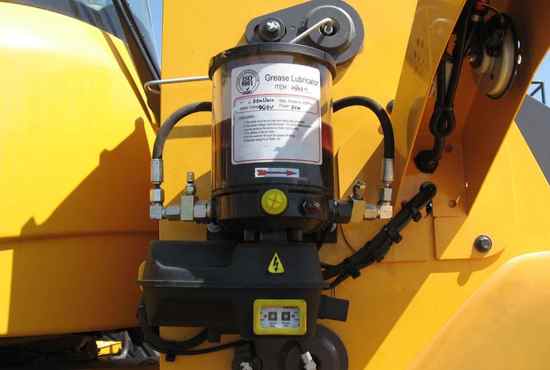
The CSK Lubricator is a multiple-outlet lubrication unit. It has a maximum of three outlets. It is powered by an electric motor. It is suitable for use with progressive divider valve systems. This model has up to three separate pumps. It can also be fitted with 24 VDC motors, making it ideal for mobile use. It has an integral controller or can be managed through our internal timers.

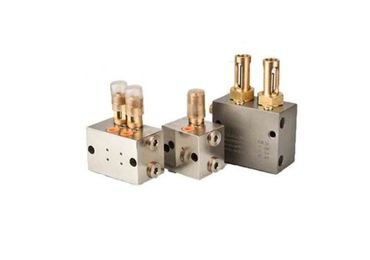
Mono Divider Valves precisely meter lubricant to 6 to 20 outlets. Each output is fixed at 0.17 cc per cycle; you could increase output when needed by plugging the outlet. Cycle indicator pins show if operations are working. They can have a switch to signal a system controller.

IsoHiTech provides the hoses and couplings.
- Hose Parameter
- O.D. 9 mm and I.D. 4 mm
- O.D. 11 mm and I.D. 6 mm
- Grease Nipple Size
- Pt 1/8 and Pt 1/4
Related Products


Comprehensive Guide to Wheel Loader Lubrication Systems
1. Introduction to Wheel Loader Lubrication Systems
Wheel loaders are strong and flexible machines. They play a key role in many industries, like construction, mining, and farming. The machines work well and last longer when their lubrication systems function properly. Lubrication systems in wheel loaders provide exact amounts of lubricant to moving parts. This helps reduce friction, wear, and overheating. They help improve operational efficiency, lengthen component lifespan, and lower costly repairs.
Proper lubrication is vital for the smooth operation of wheel loaders. It forms a shield between moving parts. This stops metal from touching metal and reduces wear. Lubricants also help cool parts by reducing heat from friction. This keeps components at their best temperatures. This not only makes the equipment last longer but also improves its performance and reliability.
On the other hand, inadequate lubrication can lead to a host of problems. When parts lack enough lubrication, they create more friction, which leads to too much heat. Accelerated wear can cause parts to fail early, leading to unexpected downtime and expensive repairs. Improper lubrication can also lower fuel efficiency, as the engine must work harder to fight the extra friction.
Knowing about lubrication systems is key to keeping wheel loaders running smoothly and lasting longer. This includes their parts and how to maintain and troubleshoot them effectively. This guide covers important points for equipment owners, operators, and maintenance pros and offers useful insights for everyone involved.
2. Types of Wheel Loader Lubrication Systems
Wheel loaders use various lubrication systems. Each type has its own benefits and drawbacks. The two main categories are manual lubrication systems and automatic lubrication systems.
2.1 Manual Lubrication Systems
Manual lubrication systems require operators or maintenance staff to apply lubricant to various points on the wheel loader at specific intervals. This involves using grease guns or other manual tools to dispense the lubricant. The manufacturer’s guidelines determine how often and how much lubricant to use. This also depends on what each component needs.
Manual lubrication systems are cheap to start with, but they have some downsides. The process can be time-consuming, especially for larger machines with numerous lubrication points. It also depends on the care and skill of the workers doing the job. This can cause uneven lubrication. Additionally, manual lubrication often requires the machine to be stopped, resulting in downtime.
2.2 Automatic Lubrication Systems (ALS)
Automatic lubrication systems, or centralized lubrication systems, are popular now and offer many benefits. These systems use a central pump and distribution lines. They send lubricant to different spots on the wheel loader automatically while it works. The lubricant is released in exact amounts and at set times, ensuring steady and effective lubrication.
An example of an automatic lubrication system is Volvo’s factory-mounted one. It works with standard grades of grease. This system automatically lubricates the wheel loader while it operates. It ensures even application and reduces grease use compared to manual methods. Automatic lubrication systems remove the need for manual work. This helps reduce over- or under-greasing. They also extend component life and cut downtime from manual lubrication tasks.
3. Key Components of Wheel Loader Lubrication Systems
To understand lubrication systems, you need to know their key parts. Each part is key to delivering lubricant efficiently to the wheel loader’s components.
3.1 Pumps and Reservoirs
Pumps are the heart of the lubrication system. They circulate the lubricant from the reservoir to the distribution points. They create enough pressure to push past resistance in the lines. This helps the lubricant reach all the needed parts. Lubrication pumps are made to meet the viscosity and flow needs of lubricants in wheel loaders.
Reservoirs, or tanks, store the lubricant and serve as the pump’s supply source. They hold enough lubricant for the system and have filters that keep the lubricant clean and free of contaminants. Regular cleaning and inspection of reservoirs are key. This helps stop dirt and debris from entering the lubrication system.
3.2 Distribution Blocks and Manifolds
Distribution blocks and manifolds direct the lubricant from the pump to the wheel loader’s lubrication points. They have channels and ports that direct the lubricant where it needs to go. These parts can handle the pump’s high pressure and ensure the lubricant spreads evenly.
Install and maintain distribution blocks and manifolds properly to prevent leaks, blockages, and uneven lubricant flow. Regular inspection and cleaning can also spot issues early and prevent bigger problems later.
3.3 Metering Valves and Injectors
Metering valves and injectors are precise parts. They control how much lubricant goes to each lubrication point, ensuring that the right amount is dispensed and preventing over- or under-lubrication. Metering valves manage the lubricant flow rate. Injectors break the lubricant into tiny droplets for better coverage.
The lubrication system must work well for it to be effective. Clogged or damaged valves and injectors can cause poor lubrication, which leads to faster wear and can result in component failure. Check and replace these parts regularly, as the manufacturer recommends. This keeps the lubrication system in good shape.
3.4 Supply Lines and Fittings
Supply lines and fittings carry the lubricant from the reservoir to where it is needed. They use strong materials like steel and high-strength polymers, which can withstand the high pressure and heat in wheel loader applications. Supply lines run through the machine and link the different parts of the lubrication system.
Installing and maintaining supply lines and fittings properly is key. It helps prevent leaks. Leaks can cause lubricant loss and harm the environment. Inspecting these parts regularly helps spot wear, damage, or loose connections. This way, you can make repairs or replacements on time.
3.5 Monitoring and Control Systems
Modern wheel loaders have advanced systems that monitor and control the lubrication process. These systems have sensors that monitor lubricant levels, pressures, and temperatures. They provide real-time data to operators and maintenance staff. They can warn users about any issues or changes in normal operations. This helps with maintenance and fixing problems before they get worse.
Some advanced monitoring systems can predict problems. They analyze data and use machine learning to find possible failures early. This lets us plan maintenance and repairs, reduce unexpected downtime, and help the wheel loader last longer.
3.6 Filters and Strainers
Filters and strainers are key to keeping the lubricant clean and effective in the system. They remove contaminants like dirt, debris, and metal particles, which can harm components and lower the lubricant’s performance. Clean lubricant helps filters and strainers last longer, keeping the lubrication system and the wheel loader in better shape.
Change filters and clean strainers regularly, following the manufacturer’s guidelines. This keeps everything running well. If you skip these maintenance tasks, you could end up with clogged filters, which leads to limited lubricant flow and quicker wear on parts.
4. Critical Lubrication Points on Wheel Loaders
Wheel loaders need regular lubrication at key points. This keeps them running smoothly and helps them last longer. These points face heavy loads, constant movement, and dirt exposure, so proper lubrication is key.
4.1 Articulation Joints and Pins
Articulation joints and pins are key. They allow the front and rear parts of the wheel loader to move independently. This design helps with steering and maneuverability. These joints are subject to high stress and constant movement, making them prone to wear. Lubricating these points regularly is key. It helps stop wear, keeps things running smoothly, and makes the parts last longer.
4.2 Steering Cylinders and Linkages
Steering cylinders and linkages guide the wheel loader. This setup allows for precise turns and movements. These parts face strong forces and constant movement. This can lead to wear and leaks over time. Lubricating steering cylinders and linkages keeps steering responsive. It cuts down on friction and helps avoid early failures.
4.3 Drive Shafts and Universal Joints
Drive shafts and universal joints send power from the engine to the wheels. This helps the wheel loader move and do its work. These parts face high torque and constant rotation. This makes them prone to wear and fatigue. Lubricating drive shafts and universal joints are key. It helps reduce friction and wear and ensures that power moves efficiently.
4.4 Boom and Bucket Pivot Points
The boom and bucket are the main parts of a wheel loader. They lift and move materials. The pivot points link these attachments to the machine’s main frame. They endure heavy loads and frequent movement. Lubricating the boom and bucket pivot points is key. It keeps operations smooth, cuts down wear, and stops early failures of these key parts.
4.5 Bearings and Bushings
Bearings and bushings are in many parts of the wheel loader. You can find them in the wheels, transmission, and hydraulic systems. These components reduce friction and support the rotation or sliding motion of parts. Lubricating bearings and bushings regularly is key. It helps reduce wear, stops overheating, and makes them last longer.
4.6 Hydraulic Components
Hydraulic parts like cylinders, pumps, and valves power the wheel loader’s attachments and help them move. These parts need lubrication. It helps cut friction, stop leaks, and keep everything running smoothly. Good lubrication of hydraulic parts is key. It helps operations run smoothly and respond well. It also stops seals from wearing out. This helps these important parts last longer.
5. Types of lubricants for wheel loaders
Choosing the right lubricants for wheel loaders is key. It ensures top performance and protects parts. Different lubricants are selected depending on the needs of each part and the machine’s working conditions.
5.1 Grease Specifications and Classifications
Greases are the main lubricant for wheel loaders. They mainly lubricate pivot points, bearings, and other high-load, slow-moving parts. Greases are classified by their consistency. The National Lubricating Grease Institute (NLGI) scale determines this. The usual grease for wheel loaders is NLGI #2. It balances pumpability and load-bearing strength.
Greases are classified by their performance. Key traits include extreme pressure (EP) resistance, water resistance, and high-temperature stability. Choosing the right grease for each application is key to ensuring the best protection and performance.
5.2 Oil Types and Applications
Oils support wheel loaders by lubricating their engines, transmissions, hydraulic systems, and other fluid-reliant parts. Choosing the right oil type and viscosity depends on the needs of each part and the machine’s operating conditions.
Engine oils are chosen by their American Petroleum Institute (API) classification. This classification shows how well the oil performs and if it works with different engine types. Transmission and hydraulic oils are selected for their viscosity grade and additives. These features ensure proper protection and performance for these vital systems.
5.3 Temperature Considerations
The operating temperature range of a wheel loader greatly affects which lubricants we choose. Lubricants need to maintain their proper thickness and performance in the expected temperature range, which helps ensure proper protection and efficiency.
In cold places, low-viscosity lubricants help keep things flowing. They ensure good pumpability, even when temperatures drop. In hot environments, people choose high-viscosity lubricants. These lubricants offer strong film strength and protection when temperatures rise. Multi-grade lubricants keep their thickness over a wide temperature range. This feature makes it easier to choose and manage lubricant inventory.
5.4 Environmental Factors
The environment where a wheel loader works affects which lubricants are chosen. In dusty or dirty places, you need lubricants that filter well and resist contamination. These lubricants keep abrasive particles out. This helps reduce wear and prevent component failure.
Use lubricants that fight water and guard against rust in wet or humid areas. These lubricants stop grease from washing out of key parts. They also guard against rust and corrosion. This protection helps maintain the machine’s performance and lifespan.
5.5 Specialized Lubricants
Some wheel loader applications may require specialized lubricants to meet specific performance demands. You need greases that can handle heat in high-temperature settings like steel mills or foundries. These greases should have great thermal stability and resist oxidation. These lubricants can handle extreme temperatures. They won’t break down or lose their protective qualities.
In sensitive areas, biodegradable lubricants can lessen the impact of spills or leaks. These lubricants come from renewable resources and break down quickly in the environment, helping reduce long-term contamination risks.
6. Benefits of Automatic Lubrication Systems
Automatic lubrication systems provide many advantages over manual methods, making them a popular option for wheel loader owners and operators.
6.1 Reduced Maintenance Time and Labor Costs
Automatic lubrication systems save time and cut labor costs in maintenance. An automatic system lubricates the machine while it runs. This removes the need for manual application and cuts downtime. This lets maintenance staff focus on other jobs. It boosts productivity and efficiency overall.
Automatic lubrication systems reduce the risk of over- or under-greasing, which is often a problem with manual methods. This extends the life of components and cuts down on repair frequency, lowering maintenance costs.
6.2 Extended Component Life and Reduced Wear
Automatic lubrication systems deliver steady and accurate lubrication to key parts, ensuring they get the right care. This helps reduce wear and extend their life. It also protects them from metal-to-metal contact and the harm caused by friction.
Automatic systems maintain a steady flow of clean lubricant. This helps prevent contaminants from entering the system, which can lead to faster wear and early failure. This matters a lot in tough conditions, like dusty or wet places.
6.3 Decreased Downtime and Increased Productivity
Proper lubrication is essential for keeping wheel loaders operational and productive. Automatic systems provide steady lubrication. This cuts down on unexpected breakdowns and failures. As a result, downtime is reduced, and overall productivity increases.
An automatic system provides lubrication while the machine runs. This means you don’t need to stop the machine for manual lubrication. This lets wheel loaders work longer without stopping. This boosts their usage and output.
6.4 Improved Operational Efficiency
Automatic lubrication systems boost wheel loader efficiency in many ways. First, they reduce friction and wear, letting components run more smoothly and with less resistance. This can lead to better fuel efficiency, as the engine works less hard to fight friction.
Automatic systems deliver the right amount of lubricant at the best times. This keeps the lubrication film thick. It also reduces energy losses from friction. This boosts machine performance. It works more efficiently and effectively.
6.5 Enhanced Safety
Manual lubrication can be risky. Workers must reach hard-to-access spots on the machine while it is still. This puts them at risk for slips, trips, and falls. Moving parts could also hit them if the machine isn’t locked out properly.
Automatic lubrication systems remove the need for manual lubrication, helping keep workers safe from hazards and making the workplace safer. They also lower the chances of accidents and injuries during lubrication tasks.
6.6 Environmental Benefits
Automatic lubrication systems offer several environmental benefits compared to manual methods. They provide exact lubrication, which cuts down on the amount used. This helps reduce waste and lowers the chance of over-greasing, saving money on lubricants and reducing environmental harm from waste.
Also, automatic systems stop leaks and spills. These issues can happen during manual lubrication because of mistakes or equipment failure. Automatic lubrication keeps lubricants contained. This protects the environment from contamination. It also reduces the risk of expensive cleanup operations.
6.7 Return on Investment (ROI)
Automatic lubrication systems need some money upfront, but they save more in the long run. Lower maintenance costs, longer component life, higher productivity, and better efficiency lead to a positive return on investment.
Automatic lubrication systems can pay for themselves in just 6 to 12 months, depending on the machine’s size and use. This means that automatic lubrication can save money over the wheel loader’s life. It cuts repair costs, reduces downtime, and lowers lubricant use, making it a smart financial choice.
7. Installation and Setup of Lubrication Systems
Installing and setting up lubrication systems correctly is key. It helps ensure they perform well and are reliable. Careful planning and attention to detail are key when installing a new system or updating an old machine.
7.1 Planning the Installation Process
Before installing a lubrication system, assess the wheel loader’s design and lubrication needs. Identify all lubrication points. Then, decide on the type and amount of lubricant for each one. Also, map the routes.
Work with the manufacturer or a qualified lubrication specialist to ensure your wheel loader works well. They can help design and size the system for your specific model and provide guidance on the best practices for installation and setup.
7.2 System Sizing and Configuration
Sizing and setting up the lubrication system correctly is key. It ensures that the lubricant reaches every point it needs to. The system must control flow rates, pressures, and lubricant volumes for each part.
When sizing the system, consider these factors:
- The number and location of lubrication points.
- The distance from the reservoir to the farthest point.
- The expected operating conditions of the machine.
The system must be set up to deliver lubricant at the best times and in the right order. This ensures full coverage.
7.3 Retrofitting Existing Equipment
Many wheel loaders with manual lubrication systems can be upgraded to automatic ones. Retrofitting is a smart way to improve your lubrication system. It helps you enjoy the benefits of automatic lubrication while saving money.
When updating a machine, first check the lubrication system. Look for parts that may need replacement or upgrades. The new system should work easily with the current machine. This will reduce the need for major changes or custom parts.
7.4 Integration with Control Systems
Modern wheel loaders have smart control systems. These systems watch and manage different machine functions. Linking the lubrication system with these control systems offers extra benefits. You get real-time monitoring, fault detection, and automated troubleshooting.
Integration links the lubrication system’s controllers and sensors to the machine’s main control unit. This is done using a communication protocol like a CAN bus, which lets the lubrication system share data with other systems. Operators and maintenance staff can check the performance of the machine’s main display.
7.5 Initial Setup and Calibration
After installation, set up and calibrate the lubrication system to ensure it performs at its best. Program the system’s controllers. Set the right lubrication intervals, flow rates, and pressure for each point.
The initial setup includes priming the system. This means running the pump to fill the supply lines and remove any air. This delivers lubricant to every point right away, stopping dry running and helping to avoid damage to parts.
7.6 Commissioning and Testing
Before using the wheel loader again, test the lubrication system to make sure it works well. This means running the system through its entire cycle. Check for proper lubricant delivery at each point. Also, verify that there are no leaks or blockages.
Commissioning also involves training operators and maintenance staff. They learn how to use and care for the system properly, including teaching them about the system’s controls, indicators, and alarms. It also includes guidance on troubleshooting and repair procedures.
8. Maintenance Best Practices for Lubrication Systems
Follow good maintenance practices to keep wheel loader lubrication systems running smoothly. Regular inspections, lubrication, and servicing can prevent problems and help the system run at its best.
8.1 Regular Inspection Routines
Having a regular inspection routine is key. It helps spot potential issues early. This way, you can avoid bigger problems or failures later on. Inspect the machine daily before use. Check it regularly based on the manufacturer’s guidelines and your usage.
Inspectors and maintenance staff should check for wear, damage, or leaks. They should focus on high-stress areas like articulation joints, pivot points, and hydraulic parts. Address any issues quickly to prevent further damage. This helps keep the machine safe and running smoothly.
8.2 Lubricant and Filter Changes
Regularly changing lubricants and filters is crucial for a healthy lubrication system. It helps ensure optimal performance. Lubricants can get dirty over time. They may pick up dirt, debris, and wear particles. This makes them less effective and can harm components.
The frequency of changing lubricants and filters depends on several factors, including the lubricant type, machine usage, and the manufacturer’s advice. Lubricants should be changed at least once a year, but if conditions are severe, they should be changed more often.
When switching lubricants, choose products that match the manufacturer’s specs and work well with the machine’s parts. Using the wrong lubricant can cause poor performance, increase wear, and lead to component failure.
8.3 System Flushing and Cleaning
Flushing and cleaning the lubrication system regularly helps remove buildup and contaminants, preventing problems that can happen over time. It’s especially important to change lubricants or check them after a component failure, as this can help avoid debris entering the system.
Flushing means running a cleaning solution through the system. This process helps dissolve and remove contaminants or residue. The system is then drained and refilled with fresh lubricant. Cleaning also means taking out and cleaning reservoirs, filters, and other parts that can collect dirt and debris.
8.4 Component Replacement and Upgrades
As wheel loaders age and work longer hours, parts of the lubrication system can wear out or become outdated. Regular inspections can spot parts that are close to the end of their life. These parts should be replaced.
Upgrading to newer components can boost the lubrication system’s performance and reliability. Switching from manual grease fittings to automatic ones offers better, more reliable lubrication.
When replacing components, use genuine or approved parts. These are made to fit your specific wheel loader’s make and model. Using non-approved or fake parts can lower performance, cause compatibility problems, and pose safety risks.
8.5 Maintaining Lubrication Records
Keeping accurate and current records of lubrication activities is key. This helps track system performance and maintenance. This includes tracking lubricant changes, filter swaps, inspections, repairs, and other important details.
Lubrication records help spot trends and patterns. They can show potential problems or areas for improvement and help schedule future maintenance. This ensures the machine gets proper service based on the manufacturer’s recommendations.
8.6 Operator Training and Education
Operators and maintenance staff must learn to use and care for the wheel loader and its lubrication system. Training and education are key. They help everyone who works with the machine. This way, they can do their jobs safely and effectively.
Training should include:
- Proper lubrication techniques
- Safety procedures
- Troubleshooting
- Maintenance best practices
Operators should learn about the importance of lubrication and understand the risks of neglecting or improperly maintaining it.
9. Conclusion
Proper lubrication is crucial. It improves performance, prolongs life, and boosts the safety of wheel loaders. Understanding lubrication systems, their parts, and maintenance tips helps owners and operators keep machines running smoothly.
A solid lubrication program is key. It should include regular inspections, maintenance, and high-quality lubricants. This method extends machine life. It also reduces downtime and repair costs. Plus, it increases productivity and profits.
As technology advances, automatic lubrication systems will be more important. They help keep businesses competitive and meet the needs of today’s job sites. Staying updated on lubrication helps wheel loader owners and operators thrive in a changing industry.
Before you buy: read our central lubrication system guide.
Frequently Asked Questions
Automatic lubrication systems have many benefits. They increase safety and provide consistent lubrication. This leads to less downtime and boosts productivity. Plus, they help equipment last longer and lower environmental impact.
Lubrication intervals vary depending on the type of system. Manual systems need greasing every 50 to 100 hours. In contrast, automatic systems provide lubricant continuously or at set times.
Lithium complex grease is commonly recommended for general-purpose lubrication points on wheel loaders. Some parts or tough conditions may require special lubricants. Check the manufacturer’s guidelines.
Yes, automatic lubrication systems can be retrofitted onto existing wheel loaders. The process includes careful planning and sizing the system right. It also involves integrating with current control systems and removing air during setup.
Check for blockages if lubrication points lack grease. Check for clogs in lines or fittings. Also, inspect valves and distribution blocks for damage. Verify pump pressure settings. If needed, consult your troubleshooting guide or get professional help.
Automatic systems control lubricant application carefully. This reduces grease use compared to manual methods. This cuts waste, lowers environmental risks, and lessens the need for frequent replacements.
A wheel loader lubrication system delivers grease or oil to important moving parts. These parts include articulation joints, bearings, and hydraulic components. It cuts down friction, stops wear, and helps equipment last longer. You can apply it by hand or use automatic centralized systems.
Lubrication cuts down friction and wear on parts. It boosts efficiency, lowers downtime, and helps avoid expensive repairs. Heavy equipment needs protection in tough conditions. Dust and debris can speed up damage to parts.
Manual lubrication means operators apply grease by hand. This process can take a lot of time and may not be consistent. Automatic systems provide lubricant continuously or at scheduled times while the machine runs. This boosts consistency, cuts down on labor, and improves safety.
The key components are:
- Pumps and reservoirs for storing and delivering lubricant.
- Distribution blocks and manifolds for flow control.
- Metering valves and injectors for precise application.
- Supply lines and fittings for connectivity.
- Monitoring systems to track performance.