

Lubrication Fittings
Between the pump and the bearing there are a dozen junctions, and every one of them is a fitting: the zerk the gun couples to, the stud where the hose ends, the sleeve that grips the nylon tube, the adapter that bridges two thread standards. This page is the catalog hub for all of them — 80-plus cataloged parts routed to the family pages below.
Use the family table to jump to the right shelf; use the thread and tube table to pin down the size before you order.
Fitting Families
| Family | What it does | Catalog page |
|---|---|---|
| Grease fittings & nipples | The point the gun couples to — button head, long straight, pressure relief, drive-in | grease fittings |
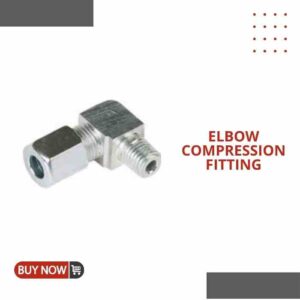
| Compression fittings | Grip nylon or steel tube by ferrule — DIN 2353 style, 100-800 bar classes | compression fittings |
| Push-in & Quicklinc fittings | Slip the tube in, it seals — fast assembly for Quicklub-type lines | push-in fittings |
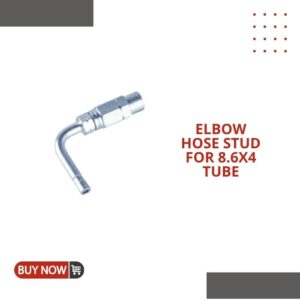
| Hose studs & barbs | Terminate high-pressure hose on pumps and dividers | hose studs |
| Adapters & extensions | Bridge thread standards, extend reach to recessed points | adapters |
| Remote greasing lines & kits | Manifold, tube, and fittings as one run to a blocked point | remote greasing kits |
| Manifold & distributor blocks | Split one feed into many metered outlets | manifold blocks |
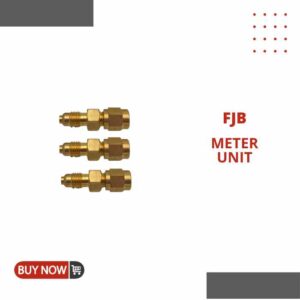
| Metering units | Proportion oil per point in SLR and injector systems | metering units |
| Check-valve outlet adapters | Lincoln Quicklinc valve bodies and outlet fittings for progressive systems | outlet adapters |
| Bijur fittings | Bijur Delimon adapters and meter-unit fittings by part number | Bijur fittings |
Threads and Tube Sizes
Most ordering mistakes happen here, not in the fitting type. The four systems that cover nearly the whole catalog:
| System | Sizes | Where it appears |
|---|---|---|
| Metric grease threads, DIN 71412 / DIN 3404 | M6, M8, M10×1, M12×1.5 | European machines, metric zerks and nipples — metric fittings page |
| NPT / BSPT pipe threads | 1/8″, 1/4″ typical | North American machines, pump ports, adapters between standards |
| Nylon tube, DIN 73378 | 4 mm, 6 mm, 8.6×4, 11×6 OD | SLR and progressive lines — 6 mm PA12 tube is the common stock size |
| 24° cone compression, DIN 2353 / ISO 8434-1 | 6-42 mm OD | High-pressure tube runs — straight compression fittings |
Lubrication Fitting FAQ
How do I identify a metric zerk versus an NPT zerk?
Measure the thread crest with calipers and check the pitch. M10×1 has a 10 mm major diameter and a fine 1 mm pitch; 1/8 NPT is about 10.3 mm with a coarser tapered thread (27 TPI). If the fitting seals on the thread flanks with no washer seat, it is tapered NPT/BSPT; metric grease threads are parallel.
Which tube size does my system use?
Single-line resistance systems run 4 mm or 6 mm nylon; Quicklub-style progressive systems run 6 mm or 8.6×4 mm; high-pressure grease mains run 11×6 mm or steel tube. The tube OD is stamped on the original tube’s printing — match it exactly, because compression sleeves and push-in seals are sized to one OD.
Compression or push-in — which joint should I choose?
Compression (ferrule) fittings hold higher pressure and survive vibration, at the cost of careful assembly and a deformed tube end. Push-in fittings assemble in seconds and release cleanly, at lower pressure ratings. For pump-to-divider mains use compression; for protected short runs to points, push-in is fine.
What pressure rating do the fittings need?
Match the pump’s relief setting, not the working pressure. Progressive grease systems run 100-350 bar, so the catalog’s 350-bar studs and sleeves are the default; central steel-tube lines to remote manifolds go to 800 bar classes. Underrating a fitting shows up as a blown joint on the coldest day of the year.
Can IsoHiTech match a Lincoln or Bijur part number directly?
Yes. Send the OEM number (e.g. a Quicklinc or Bijur reference) through the contact page and the team will confirm the equivalent or supply the original-range part in writing.


- Sale!
- Sale!

- Sale!

- Sale!

- Sale!

- Sale!