



Oil Mist Lubrication Systems: Solve Your Equipment Maintenance Problems
An oil mist lubrication system atomizes lubricating oil into a fine aerosol (typically 1–5 μm droplets) using compressed air, then distributes mist through piping to multiple bearing housings, pumps, and motors from one central generator.
Why plants specify oil mist:
- Automatic delivery to many points—often 20–50+ outlets from one skid
- Positive pressure in bearing cavities helps exclude moisture and dust
- Lower oil consumption vs flood lubrication when reclassifiers are tuned correctly
- Suitable for high-speed rotating equipment in petrochemical, steel, paper, and power sectors
How Oil Mist Works (4 Steps)
- Mist generator — venturi atomization at regulated 0.7–2 bar (15–30 PSIG) air; oil level and pressure monitored
- Header piping — mist travels to machine branches (runs to ~180 m class in large plants)
- Reclassifiers — resize droplets at each machine for bearing vs purge service
- Controls — alarms on low oil, low air, and header pressure; optional DCS integration
Pure Mist vs Purge Mist vs Air/Oil
| Type | Application | Notes |
|---|---|---|
| Pure mist | Pumps, motors, high-speed bearings | No oil bath in bearing; all lube from mist |
| Purge mist | Gearboxes with existing sump | Mist seals and supplements bath oil |
| Closed loop | Environmental or oil recovery priority | Collects and returns unused mist/oil |
| Air/oil (spindle) | CNC high-speed spindles | Micro-dose injection—not enclosure mist; see air/oil spindle page |
Equipment examples: centrifugal and multistage pumps, compressors, fans, rolling-mill bearings, CNC spindles (with correct reclassifier). Metal stamping can use targeted oil spray nozzles for die lubrication.
IsoHiTech provides generator skids, reclassifiers, controls, and field commissioning. Request a layout review.
Key Components
| Component | Function |
|---|---|
| Oil reservoir & heater | Stable viscosity in cold climates |
| Mist generator (venturi) | Atomize oil into transportable mist |
| Header & branch piping | 6–12 mm typical; slope and drain points critical |
| Reclassifier / mist fitting | Convert transport mist to application droplet size |
| Coalescer / drain | Remove stray liquid in headers |
| Monitoring | Header pressure, oil level, air pressure, fault relays |
Design Checklist
- Classify each point as pure mist or purge—do not mix logic on one reclassifier.
- Size header for simultaneous demand; avoid starving distant machines.
- Specify oil viscosity with OEM; mist systems usually ISO VG 32–220.
- Plan filter and coalescer maintenance intervals—dirty air causes wet mist and bearing starvation.
- Train operators on normal header pressure; alarm response procedures.
Maintenance
- Follow filter replacement protocol on schedule.
- Check reclassifier orifices for wax or varnish buildup after oil changes.
- Verify drains on low points—liquid slugging damages bearings.
Related: lubrication oil pump · machine tools · commissioning.
Oil Mist Lubrication Guides & Resources
Technical guides for oil mist system design, implementation, and maintenance (CNC spindles, textiles, high-speed bearings).
IsoHiTech Oil Mist Product Lines
- Air pressure: 5–8 bar
- Reservoir level switch: yes
- Voltage: 220 V; adjustable cycle 0–30 ml oil per cycle
- Video: keep existing Vimeo embed
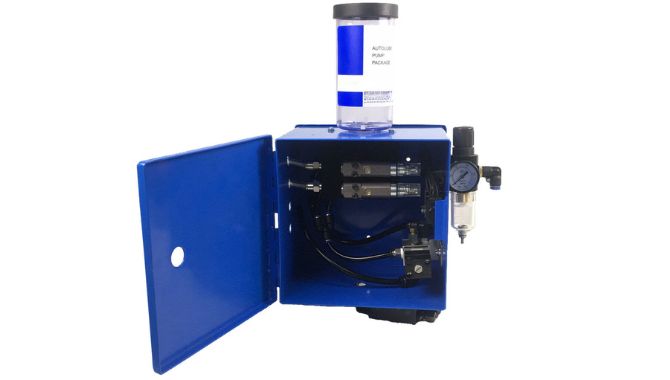

- Reservoir: 2 kg or 3 kg
- Lubricant: ISO VG 30–1500
- Voltage: 220 V / 110 V
- Air inlet: 8 mm; outlet: 4 mm or 6 mm
- Filter: 5 μm; air and oil pressure switches equipped
- Points: 1–4 air-mist outlets
- Air: 4–6 bar; lubricant ISO VG 32–100
- Outlet dose: 0.01–0.4 ml/cyc; pressure ~0.5 MPa
- Outlets: 1–8
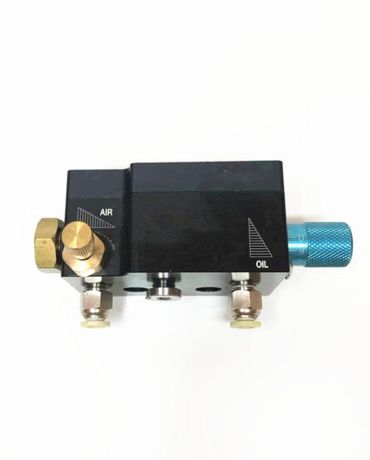
- Detail: oil mist block product

OIl Mist Application
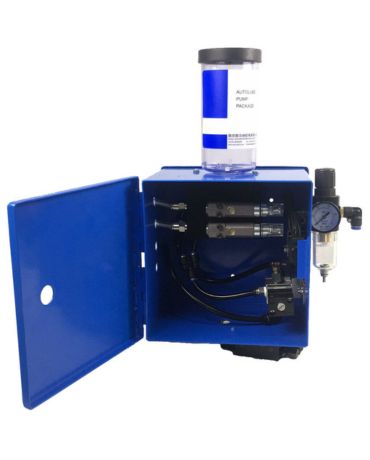
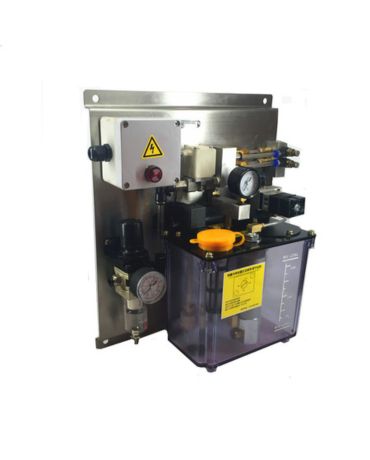

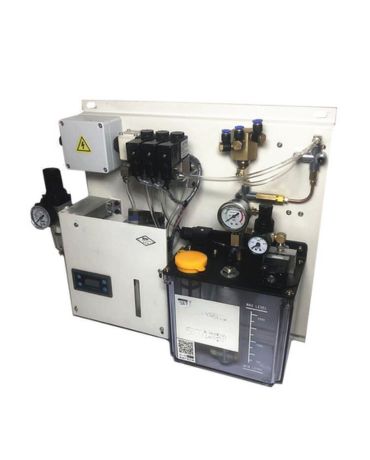
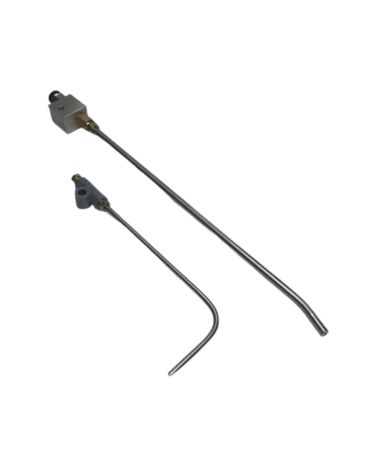
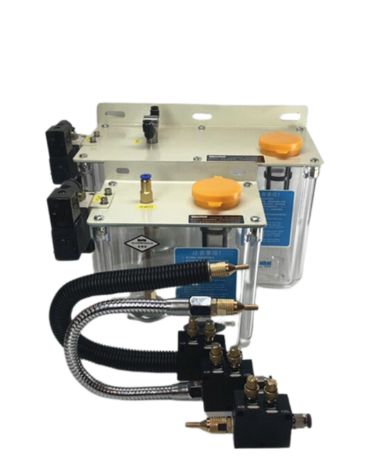

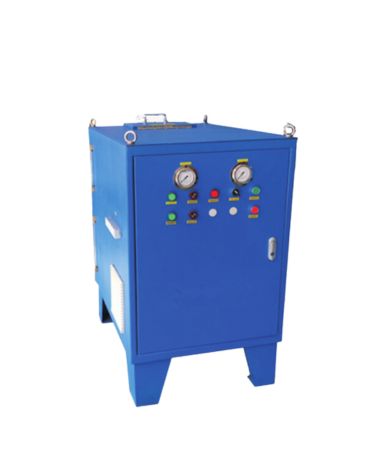
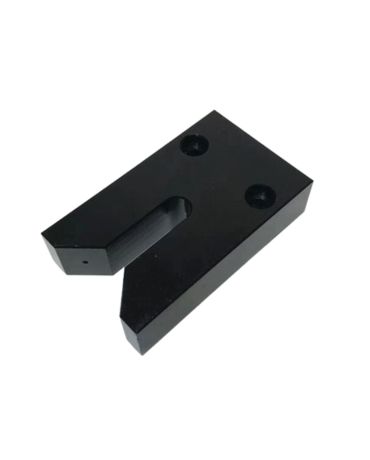
A centralized system that atomizes oil into fine droplets with compressed air and pipes the mist to multiple lubrication points—typically bearings, seals, and gearboxes.
Transport mist is often 1–5 μm. Reclassifiers at each machine adjust droplet size for the bearing or purge application.
Pure mist supplies all lubrication to the bearing with no sump oil. Purge mist adds mist to an existing oil bath for sealing and supplemental lubrication.
Generators typically operate at a regulated 0.7–2 bar (15–30 PSIG) supply of clean, dry compressed air. Regulators and filters must be maintained per OEM drawing.
Petrochemical pump stations, steel and paper mills, power generation rotating equipment, and some CNC spindle installations (often air/oil variant for spindles).
Oil mist fills or pressurizes bearing housings with aerosol. Air/oil injects metered droplets in a tube—cleaner for high-speed spindles; see dedicated page.
Oil level checks, filter and coalescer service, reclassifier inspection, header drain verification, and alarm testing—see cleaning guide linked on this page.
Yes—generator packages, injector blocks, controls, and integration support. Send point list, environment, and OEM requirements for quotation.