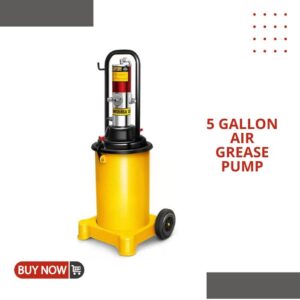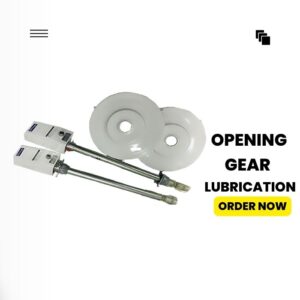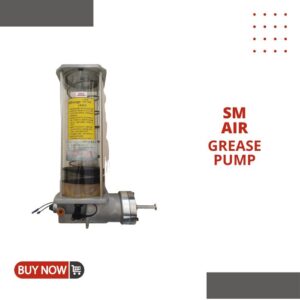
Professional Air Grease Pumps - Industrial Pneumatic Lubrication Systems

Pneumatic systems: For air grease pump / pneumatic grease pump selection (45:1, drum size, ratio), see the main hub — this category lists SKUs.
High-Performance Compressed Air Grease Dispensing Equipment for Professional Applications
Transform your lubrication operations with our professional-grade air grease pumps. Engineered for automotive workshops, industrial facilities, construction sites, and marine applications, our pneumatic grease dispensing systems deliver consistent high-pressure performance that manual pumps simply cannot match.
Why Air Grease Pumps Are Essential for Professional Operations
Air grease pumps (pneumatic grease pumps) use compressed air to generate tremendous pressure multiplication, typically achieving 45:1 to 70:1 pressure ratios. This means your standard 100 PSI shop air becomes 4,500-7,000 PSI grease delivery pressure – enough to push thick grease through long hoses and into the tightest lubrication points.
Key Performance Advantages: Consistent High Pressure: 4,350-5,800 PSI output pressure Efficient Operation: 87-116 PSI air input requirements High Flow Rates: 0.2-2.0 GPM depending on model Versatile Compatibility: Handles NLGI 000-3 grade greases Continuous Operation: Built for heavy-duty professional use
Complete Product Range by Application
Automotive & Fleet Maintenance (20L-45L Capacity)
Perfect for professional garages, dealerships, and fleet maintenance facilities.
Ideal Applications: Chassis lubrication (ball joints, tie rods, control arms) Wheel bearing maintenance and repacking Universal joint and CV joint lubrication Heavy truck and commercial vehicle servicing Agricultural equipment maintenance
Technical Specifications: Capacity: 20-45 liters (5-12 gallons) Pressure Ratio: 45:1 to 55:1 Flow Rate: 0.2-0.85 GPM Air Requirements: 4-6 CFM at 100 PSI Mobility: Wheeled cart configurations available
Industrial Manufacturing (120-400 lb Capacity)
Designed for high-volume manufacturing, processing facilities, and continuous production environments.
Ideal Applications: Conveyor system bearing lubrication Large industrial gearbox maintenance Production line equipment lubrication Heavy machinery pivot points and slides Automated lubrication system supply
Technical Specifications: Capacity: 120-400 lb drums (16-55 gallons) Pressure Ratio: 50:1 to 70:1 Flow Rate: 1.0-2.0 GPM Air Requirements: 6-8 CFM at 100 PSI Mounting: Stationary, trolley, or drum-mount options
Construction & Heavy Equipment
Built for demanding jobsite conditions and heavy machinery maintenance.
Ideal Applications: Excavator and bulldozer lubrication Crane and lifting equipment maintenance Road construction machinery Mining equipment servicing Municipal equipment maintenance
Key Features: Rugged Construction: Heavy-duty components for harsh environments Extended Reach: Up to 50-foot high-pressure hose systems Portable Design: Mobile units for jobsite flexibility Weather Resistance: Suitable for outdoor operations
Marine & Offshore Applications
Corrosion-resistant systems for saltwater and offshore environments.
Specialized Features: Marine-Grade Materials: Stainless steel and corrosion-resistant components Sealed Systems: Protection against moisture and contamination High-Pressure Capability: Handles thick marine greases Safety Compliance: Meets maritime safety standards
Technical Specifications & Performance Comparison
Model Category
Capacity
Pressure Ratio
Output Pressure
Flow Rate
Best For
Compact Professional
20-30L
45:1-50:1
4,350-5,000 PSI
0.2-0.5 GPM
Small shops, mobile service
Standard Industrial
40-45L
50:1-55:1
5,000-5,500 PSI
0.5-1.0 GPM
Medium facilities, multi-bay shops
Heavy-Duty Systems
120-400 lb
55:1-70:1
5,500-7,000 PSI
1.0-2.0 GPM
Large facilities, continuous use
Grease Compatibility Guide NLGI 000-00 (Soft Greases): Use 45:1-50:1 ratios for optimal flow NLGI 0-1 (Medium Greases): Standard 50:1-55:1 ratios work best NLGI 2-3 (Thick Greases): Require 55:1-70:1 ratios for proper dispensing Synthetic & Bio Greases: Compatible with all pump models High-Temperature Greases: Special seals available for 300°F+ applications
Professional Selection Guide
Step 1: Calculate Your Daily Volume Needs Light Use (Under 10 lbs/day): 20-30L capacity sufficient Medium Use (10-50 lbs/day): 40-45L systems recommended Heavy Use (50+ lbs/day): 120+ lb systems for maximum efficiency Continuous Operations: Consider dual-pump systems for zero downtime
Step 2: Assess Pressure Requirements
High-Pressure Applications: Long hose runs (25+ feet) Thick greases (NLGI 2-3) Tight lubrication fittings Multiple lubrication points
Standard-Pressure Applications: Short hose runs (under 15 feet) Medium greases (NLGI 0-1) Easy-access lubrication points Single-point applications
Step 3: Consider Environmental Factors
Indoor Facilities: Standard steel construction adequate
Outdoor Operations: Weather-resistant coatings required
Corrosive Environments: Stainless steel or marine-grade materials
Explosive Atmospheres: ATEX-certified pneumatic components
Installation & Setup Requirements
Air Supply Specifications
Minimum Requirements: Air Pressure: 87-116 PSI clean, dry compressed air Air Flow: 4-8 CFM depending on pump size and usage Air Quality: 40-micron filtration minimum Water Removal: Automatic drain or water separator essential
Recommended System Setup: Dedicated air line with pressure regulator Air filter/lubricator unit for pump motor Pressure gauge for monitoring Quick-disconnect fittings for easy service
Grease Handling Best Practices
Pre-Installation Checklist: Verify grease NLGI grade compatibility Check grease temperature (optimal: 60-80°F) Inspect for contamination or separation Ensure proper drum/container sealing
System Priming Procedures: Fill pump completely with grease Bleed all air from system lines Run pump at low pressure initially Gradually increase to operating pressure Verify consistent flow before full operation
Maintenance Schedule & Procedures
Daily Operations (5 minutes) ✅ Check grease level and container security ✅ Inspect air connections and pressure readings ✅ Test system operation and flow consistency ✅ Visual inspection of hoses and fittings
Weekly Maintenance (15 minutes) 🔧 Clean and inspect air filter element 🔧 Check all connections for tightness 🔧 Inspect hoses for wear or damage 🔧 Lubricate air motor per manufacturer specs
Monthly Service (45 minutes) 🛠️ Complete air motor inspection and service 🛠️ Verify pressure settings and safety relief operation 🛠️ Clean external surfaces and remove grease buildup 🛠️ Check spare parts inventory (seals, filters, gaskets)
Quarterly Overhaul (2-3 hours) 🔩 Disassemble and inspect pump mechanism 🔩 Replace seals, gaskets, and wear items 🔩 Pressure test all system components 🔩 Update maintenance records and documentation
Troubleshooting Common Issues
Problem: Reduced Flow Rate
Symptoms: Slow grease dispensing, weak pressure
Common Causes: Clogged air filter (70% of cases) Worn pump seals (20% of cases) Air supply issues (10% of cases)
Solutions: Replace air filter element Inspect and replace pump seals Check air compressor capacity and pressure Verify no air leaks in system
Problem: Inconsistent Pressure
Symptoms: Pressure fluctuations, intermittent flow
Common Causes: Air supply pressure variations Internal pump wear Contaminated grease
Solutions: Install air pressure regulator and storage tank Service pump internal components Replace contaminated grease and clean system
Problem: System Won’t Prime
Symptoms: No grease flow, air coming from gun
Common Causes: Air trapped in system Grease too thick or cold Clogged suction tube
Solutions: Bleed air from all high points in system Warm grease to proper temperature (60-80°F) Clean suction tube and check for blockages
Safety Standards & Compliance
Operator Safety Requirements
Personal Protective Equipment: Safety glasses (ANSI Z87.1 rated) Chemical-resistant gloves for grease handling Steel-toed safety footwear Hearing protection in high-noise environments
Operational Safety Protocols: Never exceed manufacturer pressure ratings Use proper lockout/tagout during maintenance Ensure adequate ventilation for grease vapors Maintain clean work areas to prevent slips
Regulatory Compliance OSHA Standards: Comply with workplace safety requirements EPA Guidelines: Proper grease storage and waste disposal Local Codes: Fire safety and environmental regulations Industry Standards: API, NLGI lubrication specifications
Economic Benefits & Return on Investment
Productivity Improvements
Time Savings: 75% reduction in lubrication time vs. manual methods
Labor Efficiency: Single operator can handle multiple lubrication points
Consistency: Eliminates over-lubrication waste and under-lubrication failures
Reliability: 90% reduction in lubrication-related equipment downtime
Cost Analysis
Typical Investment: $500-$3,000 depending on system size
Annual Savings: $2,000-$15,000 for industrial applications
Payback Period: 6-18 months based on usage volume
Long-term ROI: 300-500% over 5-year equipment life
Cost Savings Breakdown: Labor Costs: $1,500-$8,000 annually Grease Waste Reduction: $300-$1,500 annually Equipment Downtime Prevention: $1,000-$5,000 annually Maintenance Cost Reduction: $500-$2,000 annually
Frequently Asked Questions
System Selection
Q: How do I choose between different pressure ratios?
A: Higher ratios (55:1-70:1) are better for thick greases (NLGI 2-3) and long hose runs. Lower ratios (45:1-50:1) work well for thinner greases and short distances. Consider your most demanding application when selecting.
Q: Can I use these pumps with synthetic greases?
A: Yes, our pumps are compatible with all major grease types including lithium, calcium, polyurea, synthetic, and biodegradable formulations. Always verify specific compatibility with your grease supplier.
Q: What size air compressor do I need?
A: Most applications require 4-8 CFM at 100 PSI. A 5-7.5 HP compressor typically provides adequate capacity. Consider a storage tank for high-demand applications to maintain consistent pressure.
Installation & Operation
Q: How long can the hoses be?
A: Standard systems work well with 8-25 foot hoses. Extensions up to 50 feet are possible but may require higher pressure ratios. Longer hoses need larger diameter (3/8″ vs 1/4″) to maintain flow rates.
Q: Do I need special training to operate these systems?
A: Basic operation is straightforward, but proper training ensures safety and optimal performance. We recommend 2-4 hours of initial training covering operation, maintenance, and troubleshooting.
Q: Can these pumps be used outdoors?
A: Yes, with proper weather protection. Consider models with corrosion-resistant coatings for outdoor use. Protect air connections and electrical components from moisture.
Maintenance & Service
Q: How often should I replace seals and gaskets?
A: Replace pump seals every 6-12 months depending on usage. Keep spare seal kits in inventory for minimal downtime. High-usage applications may need more frequent replacement.
Q: What’s the expected lifespan of these pumps?
A: With proper maintenance, expect 5-10 years of reliable service. Air motors typically last 3-5 years with regular lubrication. Pump mechanisms can last 10+ years with proper seal replacement.
Q: Do you provide technical support?
A: Yes, we offer comprehensive technical support including system selection guidance, installation assistance, troubleshooting help, and maintenance training. Our support team has over 15 years of pneumatic lubrication experience.
Expert Recommendations
For Automotive Workshops
Recommended: 30-45L capacity with 50:1 ratio
Key Features: Wheeled cart, 15-20 foot hose, grease gun with multiple fittings
Expected Benefits: 60% faster service times, consistent lubrication quality
For Industrial Facilities
Recommended: 120-400 lb capacity with 55:1-70:1 ratio
Key Features: Stationary mount, extended hose systems, high-flow capability
Expected Benefits: Reduced maintenance labor, improved equipment reliability
For Mobile Service Operations
Recommended: 20-30L portable units with quick-connect systems
Key Features: Compact design, self-contained cart, multiple grease compatibility
Expected Benefits: Faster jobsite setup, professional service capability
Get Professional Guidance
Expert Consultation Available
Our technical specialists provide complimentary system consultations to ensure optimal equipment selection. We analyze your specific requirements including: Application Environment: Indoor/outdoor, temperature, contamination levels Usage Patterns: Volume requirements, frequency, operator skill levels Grease Requirements: Types, viscosities, special properties Budget Considerations: Initial investment, operating costs, ROI expectations Integration Needs: Compatibility with existing equipment and procedures
Contact our team today for personalized recommendations and competitive pricing on complete air grease pump systems tailored to your operations.
Discover the difference professional-grade pneumatic lubrication equipment makes in your operations. Browse our complete selection of air grease pumps, high-pressure hoses, grease guns, and accessories – all backed by expert technical support and comprehensive warranties for your peace of mind.
Professional air grease pumps available: Automotive workshop systems, Industrial manufacturing pumps, Construction equipment lubricators, Marine-grade pneumatic systems, Portable service units, High-capacity stationary systems.
Browse our Grease Pump hub for selection guides and troubleshooting.
Guides & how-tos

Harbor Freight Air Grease Pump Review: HOLT vs. Central Pneumatic
Lincoln Air Grease Pump Review: Technical Guide
Air Grease Pump for 20kg Drum: Pail, Barrel & Bucket Pump Selection Guide
How Pneumatic Grease Pumps Work: Ratios, Air Requirements & Selection Guide
What Is a Pneumatic Grease Pump? Technical Guide for Industrial Applications
Air Grease Pump for 5 Gallon Bucket: Selection Guide
Electric vs Pneumatic Grease Pumps: Which One Fits Your Application?
Air Greaser (Pneumatic Grease Gun): Pressure, Specs & Industrial Applications
How Pneumatic Grease Pumps Work: Technical Guide
55 Gallon Drum Air Grease Pump System Design Guide
Graco vs Lincoln Air Grease Pump Comparison
Air Operated vs Electric Grease Pump: Comparison
Air Powered Grease Pump Selection Guide

Update cookies preferences
Scroll to Top
Get Quote WhatsApp