


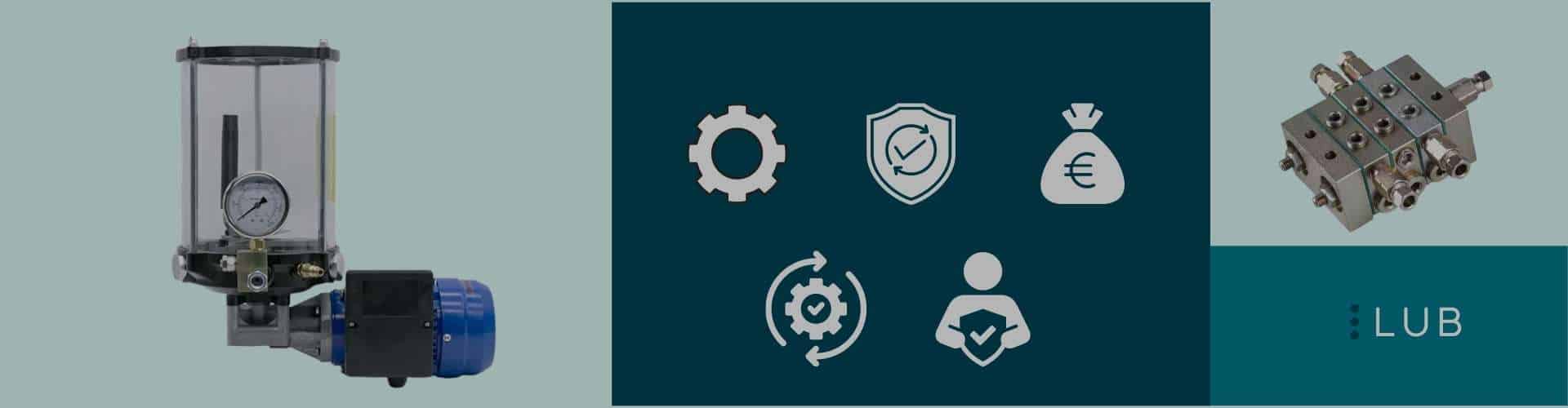


IsoHiTech LUBRICATION PROGRESSIVE LUBRICATION SYSTEMS
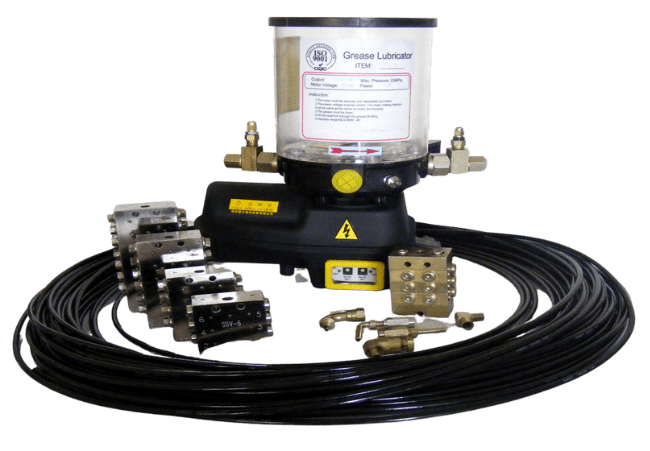
IsoHiTech Progressive Lubrication System is a top Chinese maker of lubrication systems. The progressive lubrication systems include pumps, distributors, pipes, and grease nipples.
We work with many types of lubrication systems. They include single-line, dual-line, and PRD systems. Most lubrication systems are crucial in transportation, construction, agriculture, manufacturing, and mining.
IsoHiTech’s progressive lubrication system has many benefits for your industry. It reduces wear on your machinery, saves on maintenance costs, and increases reliability. We are using high-tech equipment to produce the progressive distributor. We are using expert techniques to make lubrication systems to your specifications.
WHAT IS PROGRESSIVE LUBRICATION SYSTEMS?
The IsoHiTech progressive lubrication system has a DZG series grease pump and progressive distributors. The pumps deliver the oil to NLGI #2 to the lube point. It also includes high-pressure tubes and grease fittings. You can choose the available control timer based on usage.
Benefit
- It can work with high-viscosity grease.
- Suitable and precise discharge controller
- Work in the extreme environment
- Easy check the system from the gauge or the monitor
- Multiple discharge can be chosen for the different lube point
- A high-pressure system can work
LUBRICATION PUMP
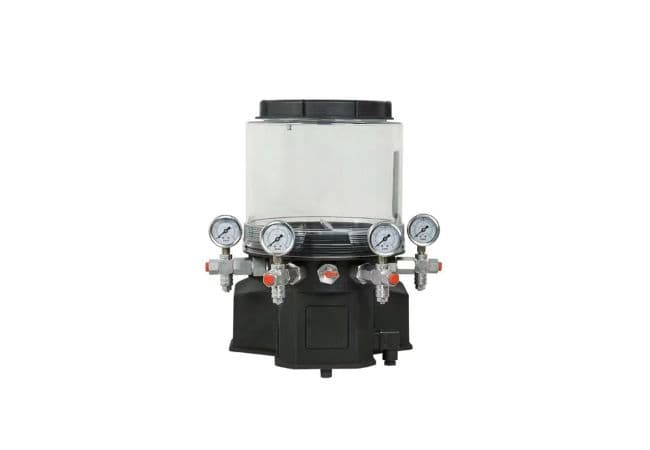
The lubrication pumps deliver the lubricant into the progressive systems. It can work with high-viscosity grease. IsoHiTech can provide manual and electrically driven types.
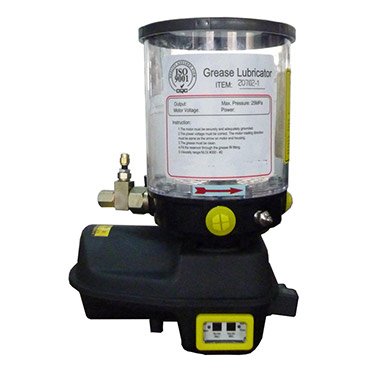
- Type: DZGK
- Voltage: Dc12V,Dc24V or Ac220V;
- Outlets:1-3 outlets
- Working Pressure:25Mpa

- Type: DZG
- Voltage: Ac220V Or Ac380V
- Outlets:1-5 outlets
- Working Pressure:25Mpa
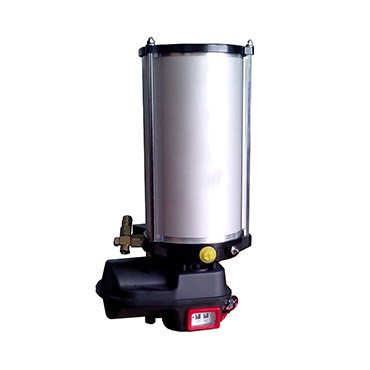
- Type: DZGKM
- Voltage: Dc24V or Ac220V;
- Outlets:1-3 outlets
- Working Pressure:25Mpa
- Reservoir: Metal;1kg-10kg

- Type: DZGK
- Voltage: DC24V,Dc24V or Ac220V;
- Outlets:1-5 outlets
- Working Pressure:25Mpa
- Reservoir: Metal;1kg-10kg

- Type: P2
- Reservoir: 0.4 kg and 0.8 kg
- Working Pressure: 16 MPa
- Lubrication system: PRG system and single system

- P.N.:SK-505
- Discharge:20ml/min
- Pressure:8Mpa
- Reservoir:0.8L
- Voltage:Dc24V,Ac220V,AC380V
- Lubricant:NLGI #000-#1
Progressive Distributors And Grease Dividers
The progressive distributors, sometimes called distributor blocks, delivered lubrication to lube points. You can choose the different discharges in one block.

- Outlets:6-22 outlets
- Discharge:0.08ml/cyc.0.16ml/cyc,0.23ml/cyc
- Lubricant:#68 oil and up to NLGI 2# grease
- Max working Pressure:16Mpa

- Outlets:6-16 outlets
- Discharge:0.08ml/cyc.0.16ml/cyc,0.32ml/cyc
- Lubricant:#68 oil and up to NLGI 2# grease
- Max working Pressure:16Mpa
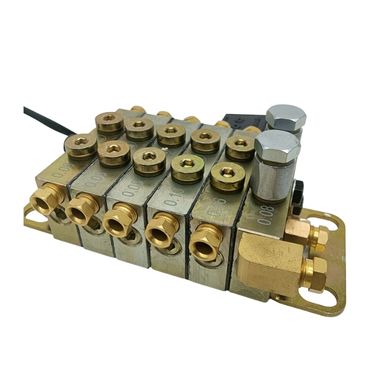
- Outlets:6-20 outlets
- Discharge:0.5ml/cyc.1.2ml/cyc,2ml/cyc
- Lubricant:#68 oil and up to NLGI 3# grease
- Max working Pressure:30Mpa

- Outlets:6-22 outlets
- Discharge:0.41ml/cyc to 4.92ml/cyc
- Lubricant:#68 oil and up to NLGI 2# grease
- Max working Pressure:30Mpa
- Working Temperature: 160°C
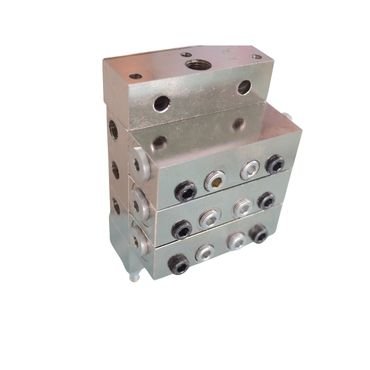
- Outlets:6-22 outlets
- Discharge:0.08ml/cyc to 1.31ml/cyc
- Lubricant:#68 oil and up to NLGI 2# grease
- Max working Pressure:40Mpa
- Working Temperature: 160°C
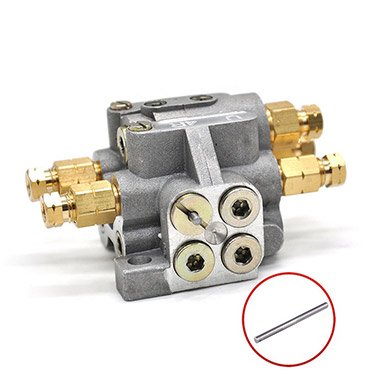
- Outlets: 4, 6, 8, and 12 outlet
- Discharge: 0.3 ml/cycle, 0.5 ml/cycle, 2 ml/cycle, 3 ml/cycle
- Lubricant: #68 oil and up to NLGI 2# grease
- Max working pressure: 16 MPa
- Sensor Switch: Option
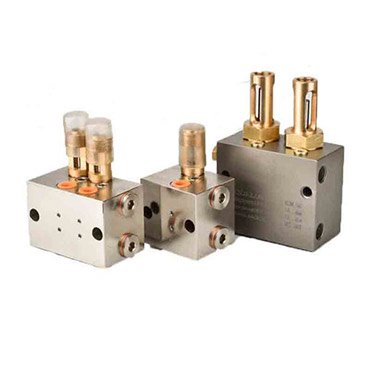
- Outlets: 1-8 outlets
- Discharge: 0.5 ml/cyc, 1 ml/cyc, 3 ml/cyc,
- Lubricant: #68, up to NLGI 2# grease
- Max working Pressure: 40 MPa

- Outlets: 6-22 outlets
- Discharge: 0.2 mL/cycle
- Lubricant: #68 oil and up to NLGI 2# grease
- Max working pressure: 35 MPa
- Working Temperature: -40 to 200 degrees
Control Unit And Accessories
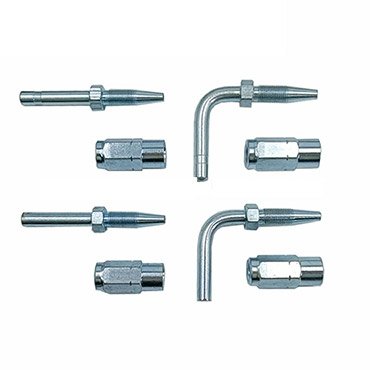
The control unit controls the lubricator. It monitors the level switch and pressure gauge. It alerts the operator to the system’s status. The right accessories could help you finish the system. These include an adaptor, high-pressure pipes, or a brush.

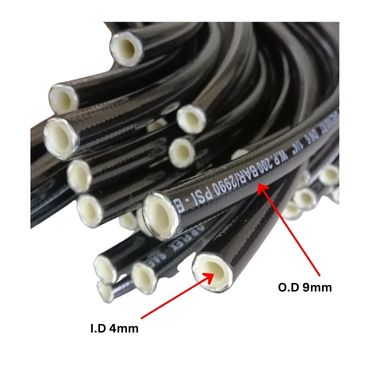

- Material: Bronze, Stainless Steel, Carbon Steel
- Size: M6, M8, M10, Pt1/8, Pt1/4
- Delivery time: No later than 8 hours
Why Progressive Lubrication Systems Benefit?

Progressive Lubrication Systems comes with various industrial equipment that makes it more efficient. A progressive lubrication system could make your machinery more efficient.

Progressive Lubrication Systems are easy to work with. They are easy to change and maintain. IsoHiTech has an advanced manufacturing facility that performs well with its products.

Progressive Lubrication Systems are great for sanitary conditions. They are designed for harsh environments. They are widely utilized in off-road equipment and the windy energy industry.

Progressive Lubrication Systems are in harsh conditions. The operator doesn’t need to add the grease to the farthest place. It will make the operator much safer than before.
Progressive Lubrication Systems Advantage
As the industry grew, the central lubrication system split into different types. In heavy industries, the progressive system is widespread. It has many advantages:
- Increase the machinery’s life. A thin film could have existed between the moving parts to avoid the hard touch between them. It can protect the touched components.
- Add the appropriate lubricants. The system could add minimal grease very frequently. It could save the environment.


Progressive Lubrication Systems Application
- Maintenance will be much cheaper than it would be without them. In a good situation with the progressive distributor, its life will double or triple. You don’t need to change the spare parts. The technical check is done once per shift instead of manually lubing with a grease gun.
- Reduce equipment downtime. The progressive distributor could add the grease during working and idle times. The system dramatically reduces manual labor.
Choose IsoHiTech to Progressive Lubrication Systems

IsoHiTech is an expert in supplying progressive distributors from China. We produce various progressive distributors. We use our high-end, ISO 9001 standards manufacturing facility.
Our experienced designers and engineers can help you. We know progressive distributors. We can design your custom lubrication system. We use precision CNC machinery and honing machinery to process our progressive blocks.
Skyrocket your business with IsoHiTech! For any inquiries, we can answer your concerns, and we are supported by our 24/7 online help. Message us now!
Why Choose Us As Your Progressive Distributor System Supplier?

IsoHiTech has some good techs. They are experienced in lubrication and know how to use the pumps and distributors.
Built on our engineers’ 20 years of experience, IsoHiTech has its own machine shop. We have four types of CNC centers and two types of honing machines.
We also provide OEM and ODM services for well-known brands.

ISO 9001 certification is very beneficial for a lubrication manufacturer. Its production process is complex. We strictly follow the standards when producing and assembling the products. We could trace the quality of the machined parts when we had quality issues. IsoHiTech followed the engineers’ ideas when creating our products.
Progressive Lubrication Systems Applications

Heavy-duty equipment is always expensive and requires a high investment. So, the host thinks the equipment could work 24 hours a day. So, the equipment with an automatic system could grease the lubrication point and protect it from the harsh environment. The operation could then focus on the work.
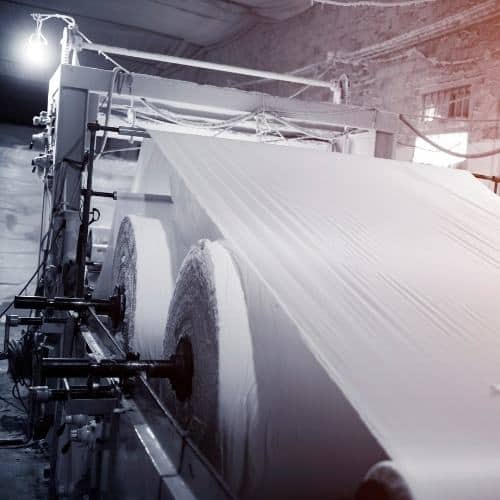
The PULP and Paper industries always face harsh environments like heat and dirt. The production line can’t stop. Many times, the operator will witness the lubrication system with a monitor. Proper lubrication could cool your bearings to reduce the risk of burning. The IsoHiTech lubrication system could monitor your machinery’s work time.

The windmill is always built in tall mountains or the sea, so it requires extra maintenance. Automatic greasing improves maintenance consistency compared to intermittent manual greasing. It’s better than before. IsoHiTech has built a test table. This is to validate high reliability for wind turbine applications. Our control timer can send an alarm to the host via 4G or 5G.
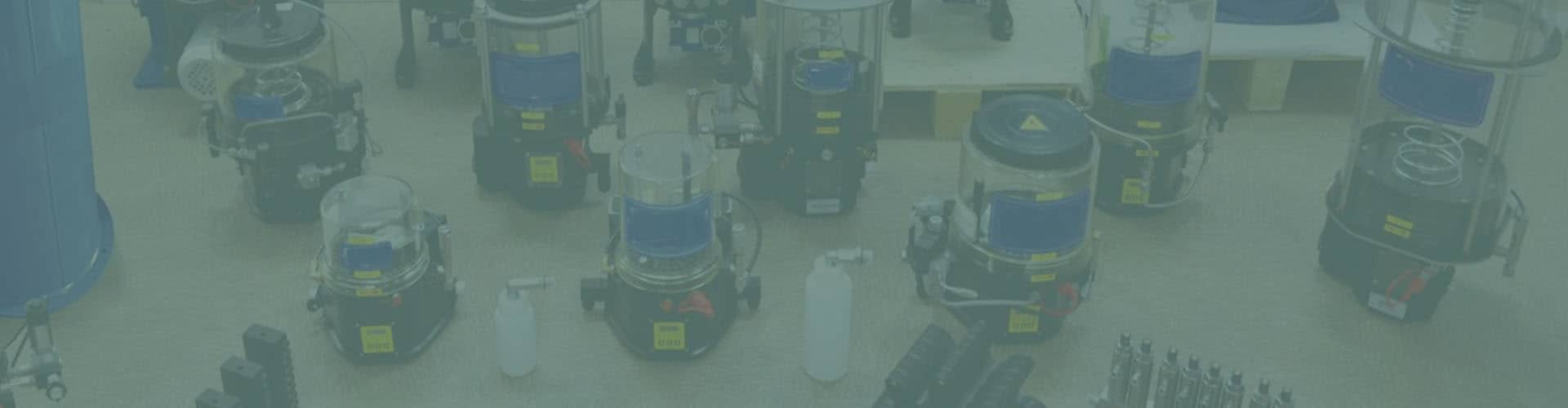
Related Products
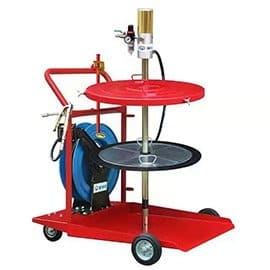


Progressive Lubrication Systems: The Complete Guide
Progressive lubrication systems are key to today’s industrial maintenance. They provide precise, reliable, and efficient lubricant delivery to vital machine parts. These systems have transformed equipment maintenance in many fields, like manufacturing and renewable energy. This guide covers the basics of progressive lubrication systems. It looks at key principles, parts, uses, and future trends. Maintenance pros, engineers, and decision-makers can find useful tips here. They will help improve lubrication practices and extend equipment life.
Fundamentals of Progressive Lubrication Systems
Working Principle Analysis
Progressive lubrication systems work step-by-step. They send lubricant to various points in a specific order. A progressive system directs lubricant from a pump to different “progressive outlets.” It uses a smart progressive spool setup. This system works differently from other lubrication methods. It uses a forced sequential operation, often called the “waterfall” principle. Here, each piston must finish its stroke before the next one can move.
Lubricant goes into one inlet of a “progressive divider” or “divider valve.” Then, it spreads out through a set number of outlets. This happens because of the pistons that move in sequence. This process makes a reliable distribution pattern. It ensures that every lubrication point gets the right amount of lubricant.
The lubricant moves through all parts first. Then, it flows under pressure to the right side of the divider pistons. The flow turns on the right side of the first piston. This shifts it left and reverses the flow direction. As a result, all other pistons move to the same position. The cycle goes on. The lubricant flow pushes the first piston back to the right. This returns the system to its starting position. This methodical operation allows for precise control and monitoring of the lubrication process.
Comparison with Other Lubrication Systems
Progressive systems differ from other lubrication methods, especially single-line parallel systems. In a single-line parallel system, each injector works on its own. This means that a blockage in one line only impacts that specific lubrication point. Progressive systems work together as a whole. If one part gets blocked, it disrupts the entire lubrication process.
At first, this interdependence might look like a downside. But it actually gives the progressive system a key strength: easier monitoring. Since the pistons move in a set order, checking one part gives status info for the whole system. This “single-point monitoring” feature cuts down on complexity and costs. It’s simpler than parallel systems that need monitoring at many points.
Progressive grease systems typically operate in the 10-40 MPa (100-400 bar) class, set by the pump and divider-block ratings. Progressive systems are great for small to medium applications. They work best with under 300 lubrication points. Parallel systems work well for bigger setups needing lubrication over a larger area.
Historical Evolution and Technological Advancements
Lubrication has a long history. Ancient Egyptians used olive oil as a lubricant around the 17th century BC. For centuries, people used animal fats and vegetable oils as their main lubricants. This changed in the mid-19th century. In 1859, the first successful oil well was drilled in Titusville, Pennsylvania. This led to the rise of petroleum-based lubricants.
The 20th century saw major advancements in lubrication technology. In the 1930s and 1940s, additives were introduced to boost lubricant performance. In the 1950s, people created synthetic lubricants, mainly for aviation and aerospace. Progressive lubrication systems developed as machines became more complex. The demand for reliable, automated lubrication solutions increased.
Modern lubrication systems now use advanced materials and better manufacturing methods. They also connect with digital monitoring systems for improved performance. Today’s systems are more precise, reliable, and efficient than before. They can monitor remotely and connect with IIoT platforms. Also, they work well with many lubricants for different environments.
Core Components of Progressive Lubrication Systems
Pumps and Pump Elements
The pump is the heart of a progressive lubrication system. It provides the pressure and flow needed to spread lubricant throughout the system. Progressive systems can use different pump types. These include manual, electric, and pneumatic options. This variety provides flexibility for various application needs. Choosing the right pump depends on several factors. These include the needed pressure, volume, environmental conditions, and available power.
Electric pumps are very common in industries. They are reliable and easy to automate. The Y6020 electric grease pump shows off a modern electric design. Its motor-driven plunger delivers grease at up to 0.6 L/min. It feeds from standard 20-30 L grease drums and can handle pressures up to 350 bar (35 MPa).
Pump elements in progressive systems deliver precise amounts of lubricant with each stroke. Modern pumps have a modular design. This lets you combine different pump parts easily. You don’t need extra tubing. This saves money, makes installation easier, and simplifies maintenance. Advanced pump designs can include features like high-efficiency worm gears and eccentric shafts. These improve reliability and lower the number of parts and failure rates.
You can control the pump’s timing and operation using integrated or separate units. This includes programmable timers, pressure switches, and connections for larger machinery control systems. You can set lubrication cycles by time, machine cycles, or your needs.
Distributors/Divider Valves
Distributors, also known as divider valves, are key parts of progressive lubrication systems. They distribute lubricant sequentially to various points. These parts work by moving pistons in order. This setup makes sure each outlet gets a set amount of lubricant before the flow goes to the next one.
Progressive dividers usually have two main types: segmented blocks and one-piece blocks. Both types work on the same progressive principle. However, they have different benefits for installation, maintenance, and adaptability. The modular design of divider valves lets you easily replace blocked or damaged parts. This improves the system’s serviceability.
A typical progressive divider system has several levels of distribution. It includes primary (master), secondary, and sometimes tertiary divider blocks. Together, they create a hierarchical network. This setup spreads lubricant well across complex machines with many lubrication points. The main divider gets lubricant from the pump. It sends this lubricant to secondary dividers. These dividers help direct the flow to specific lubrication points or secondary dividers.
Modern progressive dividers include the SMX and SMO models. The SMX is standard size, while the SMO is available in miniature dimensions. These dividers have two main parts: the base and the dosing valves. The base has at least three elements. The dosing valves can be single- or double-output options. You can modify these parts to suit your application. This gives you more freedom in designing your system.
Divider valves work best with a system pressure of 20 to 25 bar. This pressure is the minimum needed at the divider block’s inlet. When designing the system, consider pressure drops caused by tubing length. This helps ensure reliability.
Lubricant Reservoirs
The lubricant reservoir holds the system’s lubricant supply. It usually has features to check lubricant levels and condition. Modern reservoirs can have ultrasonic sensors or visual indicators. These help operators know when lubricant is low and when to refill.
Reservoir capacity changes depending on system needs. Bigger systems or those with many lubricants need larger reservoirs, which means fewer refills. The Y6020 draws from 20-30 L drums on the machine frame, which means fewer refills for busy applications.
Piping and Fittings
The lubrication system’s piping network connects the pump, divider valves, and lubrication points. It delivers the lubricant effectively. These parts need to handle system pressures. They must connect reliably and resist leaks or disconnections while in use.
When picking materials for piping and fittings, think about these important factors:
- Operating pressure
- Environmental conditions
- Lubricant compatibility
High-pressure resin hoses like φ8.6X4 are often used in main pipelines for progressive systems.
Monitoring Devices and Sensors
Monitoring devices are key for the smooth operation of progressive lubrication systems. Watching one part of a progressive system shows updates for the entire system.
Common monitoring devices include:
- Cycle sensors, like the “Ultrasensor,” detect how pistons move in divider valves.
- Piston detectors check system performance. They can also set off alarms for blockages.
- Pressure gauges that state system operating pressure
- Visual indicators that show when pistons have moved or when blockages have occurred
These monitoring features are a big plus for progressive systems. They enable affordable monitoring with fewer sensors at each lubrication point.
Lubricant Types and Selection
Lubricating Oils Suitable for Progressive Systems
Progressive lubrication systems use both oil and grease. This makes them versatile solutions for many applications. Progressive systems handle total loss oil systems. They also work with recirculating and low-flow rate systems for oil-based uses.
When choosing oils for progressive systems, consider the following:
- Environmental conditions
- Operating temperatures
- Load requirements
- Compatibility with system parts
The oil’s viscosity must fit the system’s pressure and the machinery’s needs.
Greases Suitable for Progressive Systems
Progressive lubrication systems can use greases from NLGI 000# to NLGI 2#. This range offers flexibility for various applications and environments. Choosing the right grease grade depends on temperature, load, speed, and environmental exposure.
Different grease formulations may be recommended for seasonal applications. For summer, use NLGI 1# extreme-pressure lithium-based grease. For winter, use NLGI 0 #. In temperatures below -20°C, use special low-temperature formulations. These keep the flow and lubrication properties working well.
Lubricant Selection Guide for Different Application Scenarios
Lubricant selection should consider factors specific to the application environment and machinery requirements. Wind turbines use grease to protect their parts. Its thick consistency keeps out outside elements and helps it last longer.
Lubricants must deal with contamination, high heat, and heavy loads. This is key in mining and harsh environments. Choosing the right lubricants for these conditions may need special formulas. They should offer better pressure resistance, repel water, and tolerate contamination.
Lubricants in the food and beverage industry must meet strict food safety rules. They often need food-grade formulas. These must lubricate well and be safe if they touch food.
Application Scenarios and Industry Solutions
Manufacturing Applications
Progressive lubrication systems are widely used in manufacturing. They are especially common in machine tools, woodworking machines, presses, and textile machines. These applications usually have several lubrication points. They need precise control for lubrication tasks. This helps keep performance reliable and extends equipment life.
Progressive systems have many benefits in manufacturing. They are easy to monitor and work well with oil and grease. Plus, they can lubricate up to 300 points from one system. Designing progressive systems step-by-step helps them work well. This also makes maintenance easier.
Heavy Machinery and Construction Equipment
Heavy machinery and construction equipment work in tough conditions. They need reliable lubrication to avoid early wear and failure. Progressive systems ensure steady lubrication for key parts like bearings, gears, and joints. This boosts equipment reliability and cuts down on downtime.
Progressive systems manage high pressures well. They also provide precise amounts of lubricant. This makes them perfect for heavy machinery’s tough demands. They also help operators spot and fix lubrication problems fast, preventing expensive failures.
Mining Equipment
Mining operations are tough for machines and lubrication systems. Extreme temperatures, heavy dust, and constant vibration can cause quick wear and failure. This happens if proper lubrication isn’t kept up.
Progressive lubrication systems designed for mining applications must be extraordinarily robust and reliable. The Y6020 electric grease pump is built for tough conditions. It has a strong design that can handle the harsh environments found in mining operations. These systems operate at pressures up to 350 bar. They work well in a wide range of temperatures. This ensures reliable lubrication, even in extreme conditions.
For mining equipment, progressive systems offer several key advantages:
- Consistent delivery of lubricant to critical components despite vibration and shock
- Reduced contamination ingress through positive pressure at lubrication points
- Simplified monitoring that allows for quick identification of system issues
- Reduced manual maintenance requirements in hazardous or difficult-to-access areas
- Extended equipment life through proper lubrication despite harsh operating conditions
Mining uses central lubrication pumps made for tough conditions. They have low failure rates and are easy to install and maintain. Progressive systems are valuable in mining. Their reliability directly affects productivity and safety.
Wind Turbines
Wind turbines pose challenges for lubrication systems. Their parts face high mechanical loads and harsh environments. They also need to operate reliably with little maintenance. Progressive lubrication systems are vital for wind turbines. They keep things running smoothly. They lubricate key parts, such as bearings and gears, to aid rotation.
Proper lubrication is key in wind turbine applications. It helps ensure the blades move correctly and reliably. Blades face tough conditions like contamination, vibration, and humidity. Progressive lubrication systems deliver the right amount of lubricant precisely when and where needed. This helps keep components safe from dirt and increases their lifespan.
Wind turbine lubrication systems often use grease. Its thick consistency protects parts from outside elements and lasts longer. These systems need to consider the unique needs of wind turbines. Key factors include nacelle temperature, environmental conditions, lubrication points, and the amount of lubricant needed for each point.
The lubrication points in wind turbines can be categorized as follows:
- Red points: Frequently operated components requiring regular lubrication to prevent premature failure
- Blue points: Rim lubrication located in the lower part of the nacelle
- Green points: These are used to change the pitch of a single blade. They respond to both centrifugal force and wind load as the hub rotates.
Progressive lubrication systems in wind turbines offer several benefits:
- They extend the life of turbines and bearings.
- They protect against corrosion and environmental factors.
- They reduce bearing wear.
- They ensure great lubricant distribution.
- They eliminate grease waste.
- They lower maintenance costs.
Special Applications in the Food and Beverage Industry
Lubrication systems in the food and beverage industry face special challenges. They must ensure food safety, meet regulations, and resist washdown procedures. Progressive lubrication systems can use food-grade parts and lubricants. This helps meet special needs and keeps things running smoothly.
In food and beverage settings, progressive systems provide exact amounts of food-grade lubricants. This helps protect key machinery parts and reduces contamination risks. These systems are closed, keeping lubricants away from food and boosting food safety.
Advantages and Benefit Analysis
Reduced Component Corrosion and Wear
Progressive lubrication systems provide exact amounts of lubricant to key parts. This creates protective films that cut down on friction, wear, and corrosion. Consistent lubrication helps these systems last longer. It also cuts down on repairs and replacements.
Delivering lubricant to friction points, even in tough spots, keeps critical parts well-protected. This focused way of lubricating is very useful for complex machines. These machines have many friction points that are hard to reach manually.
Mitigation of High-Temperature Effects and Extreme Shock Loads
Lubrication helps keep parts cool, reduces friction, and prevents damage from heat. Progressive systems ensure lubricants flow to where they’re needed. They help keep thermal stability, even in tough conditions.
Lubricant films are vital for machines that deal with shock loads and vibrations. This includes equipment used in mining. They absorb and spread out forces, reducing stress and helping prevent damage. Progressive systems keep protective films by delivering lubricants regularly. This helps equipment stay strong in tough conditions.
Lower Maintenance Costs and Decreased Downtime
Progressive lubrication systems can cut maintenance and spare parts costs significantly. These systems reduce wear and stop early component failure. They help extend maintenance intervals and lower the need for repairs and replacements.
Progressive systems can detect lubrication issues early, aiding in proactive maintenance. Thus, minor problems won’t become major failures. This predictive approach to maintenance helps prevent unexpected downtime and associated production losses.
Centralized lubrication systems can significantly reduce bearing failures. They improve efficiency, cut down on manual tasks, and make vehicles run better and last longer.
Improved Energy Efficiency
Lubrication reduces friction between moving parts, which means less energy is used. Progressive systems maintain optimal lubrication. This cuts energy loss from friction and improves equipment efficiency.
Progressive systems deliver the right amount of lubricant. This helps avoid over-lubrication. Too much lubricant can raise fluid friction and resistance, especially in high-speed applications. This precision helps optimize energy efficiency while maintaining component protection.
Environmental Impact and Sustainability Considerations
Progressive lubrication systems contribute to environmental sustainability through several mechanisms:
- Reduced lubricant consumption through precise delivery
- Extended equipment life, reducing resource consumption for replacements
- Lower energy consumption due to reduced friction
- Decreased waste from premature component failures
The industry is shifting to greener lubricants. Modern systems now provide bio-based and biodegradable options, which help reduce environmental impact. Sustainable lubricants are becoming popular. They break down naturally and hurt the environment less. This helps support sustainability efforts.
Design and Installation Guidelines
System Planning and Sizing Factors
Designing an effective progressive lubrication system requires careful consideration of numerous factors:
- Number and location of lubrication points
- Required lubricant quantities for each point
- Operating environment (temperature, contamination, moisture)
- Machinery duty cycle and operating conditions
- Access for maintenance and monitoring
- Integration with existing machinery controls
- Budget constraints and return on investment expectations
The system design must size pumps, divider valves, reservoirs, and piping correctly. This ensures reliable operation and enough lubricant delivery. Choose monitoring devices and control systems that meet your application needs. Also, consider how important lubrication is for machine operation.
Installation Best Practices
Proper installation is critical to the reliable operation of progressive lubrication systems. Key best practices include:
- Mounting pumps and reservoirs in accessible locations for easy maintenance and refilling
- Securing piping to prevent damage from vibration or impact
- Installing divider valves in locations that allow for easy monitoring and maintenance
- Routing piping to avoid sharp bends, potential damage points, or heat sources
- Ensuring proper electrical connections and protection for powered components
- Testing the system thoroughly before commissioning to verify proper operation
Only qualified personnel should install progressive lubrication systems. They need to understand both the system and the application’s needs. Record the installation. Include piping diagrams, where components are located, and system settings. This information is important for maintenance and troubleshooting later.
Common Installation Mistakes and How to Avoid Them
Common mistakes can hurt the performance and reliability of progressive lubrication systems. Here are some to watch out for:
- Inadequate system pressure due to undersized pumps or excessive piping runs
- Improper divider valve installation leads to sequencing issues
- Incorrect lubricant selection for the operating environment
- Insufficient monitoring provisions for system verification
- Poor piping connections leading to leaks or restrictions
- Inadequate protection of system components from environmental factors
To avoid these issues, plan carefully. Choose the right components, follow manufacturer guidelines, and test thoroughly during commissioning. Regularly checking system operation after installation can help spot and fix problems. This prevents system failures and ensures proper lubrication.
Monitoring and Control Systems
Introduction to Electronic Monitoring Systems
Electronic monitoring systems track lubrication systems in real-time. This helps spot problems early and confirms they are working correctly. These systems can have electronic controllers, sensors, and monitoring interfaces. They give operators information about the system’s status and performance.
Modern electronic monitoring systems can link to big equipment control systems. This connection lets them automate lubrication. Lubrication happens in several ways: when machines operate, at set times, or under specific conditions. This integration enhances lubrication. It aligns with real equipment needs instead of fixed schedules.
Visual Monitoring Methods
Visual monitoring methods provide simple, cost-effective means of verifying progressive system operation. These may include:
- Visual indicators that show piston movement within divider valves
- Pressure gauges that display system operating pressure
- Transparent lubricant lines that allow visual confirmation of flow
- Level indicators on reservoirs to monitor lubricant availability
Visual methods provide reliable verification. They are easier than electronic monitoring. They don’t need complex electronics, so they work better in tough environments. These methods are particularly valuable as backup verification in systems with electronic monitoring.
Application of Sensor Technology in Low-Pressure and Blockage Detection
Sensor technology boosts monitoring in advanced lubrication systems. It automatically detects low pressure or blockages that may affect lubrication. Common sensor applications include:
- Pressure sensors check system pressure. They set off alarms if the pressure goes too high or too low.
- Piston detectors check the movement of divider valve pistons. They confirm the system operates correctly.
- Cycle sensors that count lubrication cycles to verify system activity
- Ultrasonic sensors for reservoir-level monitoring
A key benefit of progressive systems is that one sensor can monitor the whole system. This works because the components depend on each other. When one divider valve piston moves, the others move too. This lets you monitor the whole progressive lubrication system efficiently.
Remote Monitoring and IoT Integration
Using IoT tech with advanced lubrication systems is a major step for monitoring and control. This integration allows you to monitor the system status from afar. It also automates data collection for trend analysis. Plus, it helps with predictive maintenance based on real system performance.
Smart lubrication systems use sensors and IoT to monitor lubrication in real time. They detect changes like temperature and vibration and adjust lubrication schedules as needed. This ensures optimal lubrication, reduces waste and enhances machine performance.
Maintenance staff can use remote monitoring and control to manage lubrication. They can do this from a central location or their mobile devices. This allows for quick adjustments, fast responses to problems, and detailed reports. These capabilities make maintenance easier and cut downtime. They do this by showing real-time insights into system performance and possible problems.
Maintenance and Troubleshooting
Developing a Preventive Maintenance Plan
A comprehensive preventive maintenance plan for progressive lubrication systems should include:
- Regular inspection of system components for signs of wear or damage
- Verification of proper system pressure and operation
- Scheduled cleaning of divider valves and other components to prevent contamination buildup
- Lubricant level monitoring and replenishment
- Periodic verification of monitoring devices and sensors
- Documentation of maintenance activities and findings for trend analysis
Maintenance activities depend on a few key factors: the operating environment, the machinery’s duty cycle, and the equipment’s importance. More demanding applications may require more frequent maintenance to ensure reliable operation.
Common Issues and Solutions
Progressive lubrication systems may encounter various issues that require troubleshooting and resolution:
- System Blockages:
- Issue: A blocked output leads to the failure of all connected progressive dividers.
- Solution: First, clean the outside of the valve block. This removes dirt and extra lubricant. Then, check for cracks or deformities. Finally, use a manual pump to find and clear any blockages.
- Pressure Issues:
- Issue: Insufficient pressure at divider valves (minimum 20-25 bar required)
- Solution: Check the pump to see if it’s working. Look for leaks or blockages in the supply lines. Ensure the system design considers pressure drops from the piping length.
- Lubricant Compatibility:
- Issue: Improper lubricant selection for operating conditions
- Solution: Ensure the lubricant specs match the application needs and the environment. This is key for extreme temperatures.
- Monitoring System Failures:
- Issue: False alarms or lack of monitoring feedback
- Check the sensor to make sure it works. Look at the electrical connections. Also, confirm that the monitoring system settings match how the system really operates.
System Diagnostic Methods
Effective diagnostic methods help identify the root causes of progressive system issues:
- Sequential isolation of system components to locate blockages or restrictions
- Pressure testing at various points to verify proper operation
- Visual inspection of divider valve operation through monitoring ports or indicators
- Use of manual pumps to test system components independently of the main pump
- Analysis of lubricant samples for contamination or degradation
A careful approach is key to diagnosing blockages in a progressive system. Technicians can find blockages by using a manual pump on different outlets. They check the flow in various spots to see if the issue is in the supply lines, divider valves, or other parts.
Maintenance Checklist
A comprehensive maintenance checklist for progressive lubrication systems might include:
- Verify pump operation and pressure output
- Check reservoir lubricant level and condition
- Inspect all visible piping and connections for leaks or damage
- Verify proper operation of divider valves through monitors or indicators
- Clean external surfaces to remove dirt and excess lubricant
- Check electrical connections and controls for powered components
- Verify sensor operation and alarm functions
- Document findings and any maintenance performed
Using this checklist regularly helps with maintenance. It also documents compliance and aids in trend analysis.
Case Studies
Successful Industry Implementation Examples
Progressive lubrication systems are used in many industries. They show great versatility and effectiveness:
- Wind Energy Sector: Wind turbines rely on advanced lubrication systems. These systems keep key parts well-lubricated, even in tough environments. They guard against corrosion and weather damage. They also cut down on bearing wear and effectively spread lubricant. This results in longer turbine life and lower maintenance costs.
- Mining Operations: Progressive lubrication systems work well in mining equipment. They provide reliable lubrication in tough conditions. The Y6020 electric grease pump works well in mining conditions. It has high-pressure capabilities and resists contamination.
- Manufacturing Facilities: Factories use advanced systems to provide precise lubrication. This helps machine tools, woodworking machines, presses, and textile machines in many ways. These changes made equipment more reliable. Now, there’s less downtime, and parts last longer.
Problem-Solving Instances
Many case studies show how progressive lubrication systems have solved challenging lubrication problems:
- Remote Equipment Access: New systems make it simple to reach tough spots, like wind turbines and mining gear. They reduce manual lubrication, lowering safety risks and maintenance work. Plus, they improve lubrication consistency.
- Harsh Environment Protection: In tough conditions, such as dirt and moisture, advanced systems offer dependable lubrication. This helps prevent early component failures, even in challenging environments.
- Maintenance Reduction: Organizations with few maintenance resources now use advanced systems. These systems automate lubrication. This lets maintenance staff focus on other important tasks. Plus, they keep equipment well-lubricated.
ROI (Return on Investment) Analysis
Progressive lubrication systems often provide strong returns on investment in several ways:
- Reduced Component Replacement: Progressive systems prevent early wear and failure. This extends component life, so you replace parts less often. As a result, you save money. Centralized lubrication systems can significantly reduce bearing failures. This results in significant cost savings.
- Reduced Downtime: Trustworthy automation for lubrication cuts down failures. This helps lower unplanned downtime and the losses in production that come with it.
- Maintenance Labor Savings: Progressive systems cut down on manual lubrication tasks. They automate these jobs, so maintenance staff can concentrate on more valuable activities.
- Extended Equipment Life: Good lubrication makes machinery last longer. This delays expensive replacements and boosts returns on equipment investments.
- Energy Savings: Proper lubrication cuts friction, which lowers energy use. This saves money on operating costs over the equipment’s life.
Progressive lubrication systems may cost more upfront than manual methods. They usually pay for themselves in less than two years. After that, they keep saving you money for the equipment’s entire life.
Future Trends and Innovations
Emerging Technologies in Progressive Lubrication
Progressive lubrication is seeing major tech improvements. These advancements promise to boost system capabilities and performance.
- Smart Lubrication Tech: Sensors and IoT help us track and change lubrication instantly. These smart-systems react to machine conditions such as temperature and vibration. They detect changes and adjust lubrication schedules accordingly. This ensures optimal lubrication, reduces waste and enhances machine performance.
- Precision Lubrication Advancements: New automatic lubrication systems give precise delivery. They ensure the right amount of lubricant reaches each point on time. This precision cuts down on both over-lubrication and under-lubrication. It saves lubricant and lowers environmental impact.
- Better Durability and Reliability: New materials and designs make lubrication systems stronger and more reliable. They are becoming tougher against harsh environments and mechanical wear. This boost in reliability means better performance. It cuts down the chances of system failures and lowers maintenance costs.
- Nanotechnology in Lubricants: Adding nanoparticles to lubricants boosts performance. It cuts friction and wear, which helps them last longer. Nano-lubricants can boost performance and may extend service life by 50%.
Potential Future Applications
The evolution of progressive lubrication technology is opening new application possibilities:
- Autonomous Systems: As industries use more automation and unmanned tasks, advanced lubrication systems will be vital. These systems will have better monitoring and self-diagnostic features. This way, they can ensure reliable performance without needing human help.
- Extreme Environment Applications: New materials and designs will enhance lubrication systems. This is important for tough conditions like arctic areas, high-radiation zones, and underwater settings.
- Integration with Predictive Maintenance: Progressive systems will better connect with predictive maintenance strategies. They will use data from the lubrication system. This will help them check equipment health and plan maintenance.
Conclusion
Key Takeaways
Progressive lubrication systems are a big step forward in machinery maintenance. They provide precise, reliable, and efficient delivery of lubricants to important parts. These systems use a step-by-step method. This way, each lubrication point receives the right amount of lubricant in a specific order. The pistons move forcefully, creating a reliable and trackable lubrication cycle.
The key parts of progressive systems include:
- Pumps
- Divider valves
- Reservoirs
- Piping
- Monitoring devices
Each part is important for the system’s performance. These components work together to deliver oil and grease to different lubrication points. They also monitor the system and find faults, boosting reliability and simplifying maintenance.
Progressive systems have many benefits compared to manual lubrication or other automated methods. They help reduce wear and corrosion on components. They also lessen the impact of high temperatures and shock loads. This leads to lower maintenance costs and less downtime. Plus, they improve energy efficiency and lower environmental impact. These benefits lead to big returns on investment. You get longer equipment life, less maintenance needed, and better operational efficiency.
Importance of Adopting Progressive Lubrication Systems
Using progressive lubrication systems boosts equipment reliability and efficiency. Proper lubrication of key parts helps prevent early failures. This reduces maintenance costs and extends machinery life. As a result, productivity improves and downtime decreases, positively affecting profits.
Progressive systems offer dependable lubrication for tough settings. This includes mining equipment and wind turbines. They work well even in harsh conditions, remote areas, or hard-to-reach places. Reliability is crucial now. Equipment is getting more complex, and failure costs are rising.
Industries are getting more automated, digital, and sustainable. So, lubrication systems need to adapt to these changes. These systems are essential for modern maintenance strategies and sustainable practices. They connect to IoT platforms. They provide advanced monitoring and work well with eco-friendly lubricants.
Related progressive lubrication resources
Progressive lubrication systems guide ·
Grease manifold block ·
DJF2500 progressive block ·
Types of grease guns (maintenance) ·
Dual-line lubrication systems
Before you buy: read our central lubrication system guide.
Frequently Asked Questions
The pump sends grease or oil to a progressive divider. Pistons move in fixed sequence—each outlet receives a metered dose before the cycle advances. One stuck section stops the sequence, which makes cycle indicators useful for fault detection.
Progressive dividers feed outlets in order on one pressurized header—a blockage stops the whole sequence until cleared. Single-line injectors operate in parallel; one blocked injector does not stop others. Unused injector ports may use plug code 0 per OEM; this is not the same as progressive block plugging rules.
No. Plugging active progressive outlets interrupts the sequence and starves downstream points. To deliver more grease at one bearing, add a parallel line, select a higher cc/cycle section, or use a cycle multiplier—follow OEM plug codes only for genuinely unused block sections.
Many installations run ISO VG 68 oil or NLGI #0–#2 grease depending on block and pump rating. Match viscosity to temperature and pump pressure class—stiff grease in cold weather can stall progressive dividers.
DJF 2000 / 2500 / 3000 progressive blocks are rated for 25 MPa working pressure class in standard IsoHiTech documentation. Size pump output and hose ID so inlet pressure at the primary divider meets manufacturer minimums after line losses.
List each lube point, required cc per cycle, and duty cycle. Stack block sections so total pump displacement fills the header each cycle. IsoHiTech DJF blocks offer multiple outlet counts and per-outlet metering options—verify against your pin chart before ordering.
Progressive systems are common on machine tools, mining and construction equipment, wind turbines, and process lines with 20–300 grease points. See construction equipment lubrication and wind energy application pages.
Watch the cycle indicator pin on the primary divider—it should move each pump cycle. No movement often means a blocked outlet, empty reservoir, or pump fault. Pressure gauges and low-level switches add further confirmation.
Regular tasks: verify pump pressure, refill grease, inspect hose and fittings for leaks, confirm indicator movement, and clean contaminated nipples. Replace worn seals and hose on a schedule tied to machine hours and site dust levels—not a one-size-fits-all calendar.
Yes—cycle switches, pressure transducers, and low-level sensors can feed PLCs or telematics. Because progressive outlets sequence together, one cycle sensor on the primary block can monitor the whole circuit in many layouts.
Progressive dividers meter sequentially on one pressurized feed. ZVB/VSG dual-line valves use alternating supply lines to pressurize outlets—they are a dual-line architecture, not progressive metering. Select based on point count, redundancy needs, and OEM specification.
Most mobile and industrial machines can accept a skid-mounted pump, progressive blocks, and hose runs to existing grease nipples. IsoHiTech engineers map pin charts, bracket locations, and electrical interface—send machine model and point count for a layout proposal.