





Pump Element Manufacturer
A pump element (piston pump cartridge) is the heart of a multi-line or progressive grease pump assembly. It creates the pressure and flow that push grease from the reservoir through the outlet to dividers, injectors, or the main supply line. When an element wears, the whole system shows low pressure, incomplete cycles, or uneven lubrication—even if the motor and reservoir are fine.
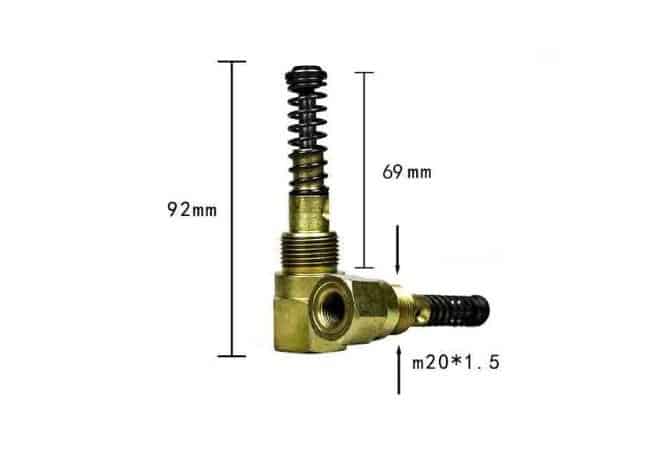
IsoHiTech’s engineers have 20+ years experience assembling grease pumps and machining replacement pump elements for Lincoln-style M22×1.5 and SKF/Beka M20×1.5 heads. Standard options include 6 mm, 7 mm, and 8 mm pistons, 40 MPa working pressure class, carbon steel valve body with nitrogen-treated ports, honed bores, and Viton O-rings.
Typical specifications
- Threads: M22×1.5 (Lincoln / IsoHiTech DZGK) · M20×1.5 (SKF / BekaMax)
- Piston diameter: 6 mm · 7 mm · 8 mm
- Working pressure: up to 40 MPa
- Seals: Viton (high-temp grease compatible)
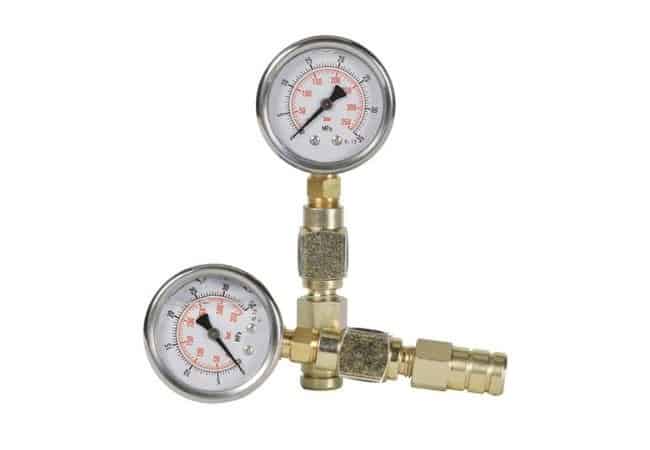
- Options: Safe valve · pressure gauge port
For complete pumps, see automatic grease pumps and grease pump solutions. For element troubleshooting, read troubleshoot non-working pump element.
- Product Details
- M22x1.5 and M20x1.5
- Working Pressure:40Mpa
- 6mm-7mm-8mm Piston
- Safe valve equipped
- Pressure gauge as an option
- High-Quality Viton Oring Inside
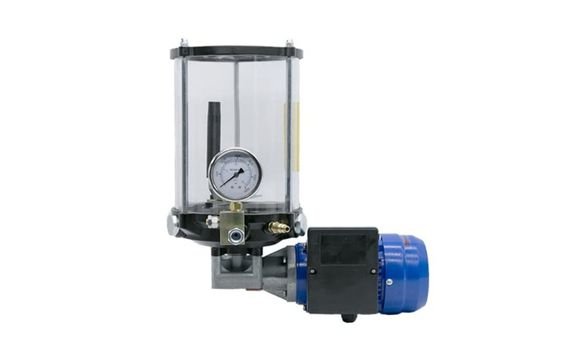
DZGK Pump Element Same As LincolnPump Element(M22x1.5)
IsoHiTech provides the M22 and M20 pump elements. The piston can be 6 mm, 7 mm, or 8 mm.
The IsoHiTech and Lincoln pump element works with its grease pump. It provides a replacement and maintenance solution. Imagine this: an electric motor drives the eccentric. It moves the piston in the element chamber. This motion has two stages. First, lubricant is sucked from the grease reservoir as the piston moves left. Then, it is dispensed through the chamber and into each lubrication point via dedicated distributors.
SKF And BekaMax Pump element (M20x1.5)
The SKF and Beka pump element is a perfect replacement for SKF grease lubrication pumps and for their servicing and maintenance. It offers various flow rates. It comes in two types: one with a spring-piston return and the other with a positive piston drive but no spring. The model with a spring is widely used. The one without works better in extreme conditions. This includes very low temperatures (-30°C) or high-viscosity lubricants.

What Is a Pump Element?
In centralized lubrication, the pump element is a reciprocating cartridge: an eccentric or cam drives a piston that sucks grease on the suction stroke and discharges on the pressure stroke. Multi-element pumps stack several cartridges in one housing—each element feeds part of the system or alternates for higher flow.
Pump elements differ from whole pumps (reservoir + motor + controller). Replacing only the element is the standard maintenance path when wear is localized and the housing, motor, and reservoir are still serviceable.
How Pump Elements Work
- Drive — electric motor eccentric or pneumatic motor rotates cam.
- Suction — piston retracts; grease enters chamber from reservoir through suction port.
- Discharge — piston advances; outlet check opens; grease flows to main line at working pressure.
- Repeat — cycle continues per controller timer or continuous run (system-dependent).
If the piston bore is worn or O-rings fail, grease bypasses internally—outlet pressure drops and progressive dividers may not complete their cycles.
Lincoln M22×1.5 (DZGK) vs. SKF / Beka M20×1.5
| Series | Thread | Piston | Spring return | Typical use |
|---|---|---|---|---|
| DZGK / Lincoln type | M22×1.5 | 6 / 7 / 8 mm | Spring-assisted common | Lincoln-style electric grease pumps |
| SKF / BekaMax type | M20×1.5 | Per catalog | Spring or springless | SKF/Beka centralized pumps |
Springless elements suit low temperature (−30 °C) or high-viscosity grease where spring return is unreliable. Match the element type to the pump housing and cam geometry—elements are not cross-thread compatible between M22 and M20 families.
Signs You Need a New Pump Element
- Progressive divider indicator pin stops moving while motor runs
- Low pressure on gauge with new grease and clear suction
- Grease leaking from element seal area (Viton wear or bore score)
- Intermittent flow after cold start—often bore wear or bypass
- Metal particles in grease after element failure—replace element and flush line
See the full diagnostic flow in pump element troubleshooting.
Selection & Replacement (5 Steps)
Step 1 — Identify pump brand and thread (M22×1.5 Lincoln vs M20×1.5 SKF/Beka).
Step 2 — Measure or read piston size (6 / 7 / 8 mm) from existing element or pump label.
Step 3 — Choose spring vs springless for climate and NLGI grade.
Step 4 — Order element kit with O-rings; consider safe valve or gauge option for field monitoring.
Step 5 — After install, run manual purge, verify divider cycles, and log pressure at rated stroke count.
Related Components
- Pump element overview (this page)
- Pump element product SKU — use Sprint 1 #6-B long-tail focus on product page
- Progressive lubrication systems
- Lincoln P203 progressive pump
- Request quote with pump model and element photo
For the full comparison of metering units, pump elements and how they divide flow, see our metering unit and pump element guide.
Before you buy: read our grease fitting types guide.
A replaceable piston cartridge that generates pressure and flow inside a multi-line or progressive pump head—distinct from the reservoir, motor, or controller.
40 MPa working pressure class (verify system relief setting; do not exceed downstream component limits).
Lincoln-style M22×1.5, SKF and BekaMax M20×1.5, plus IsoHiTech DZGK assemblies.
Only if the pump housing and cam are designed for that diameter—do not mix 8 mm piston in a 6 mm bore head.
Depends on duty cycle and grease cleanliness; inspect annually and replace when pressure or cycle proof fails QC.
Both—see automatic grease pump pages for assembled units.